Millcreek UT Wolcott Optical

Wolcott Optical

Call Today!

801-441-3233
fgInstagram - Wolcott Opticalx&
  • Eyeglasses
    • Prescription Glasses
    • Bifocals
    • Reading Glasses
    • Lenses
    • Blue Light Blocking Glasses
    • Prescription Safety Glasses
    • Frames
      • Seraphin
      • Elasta
      • Kate Spade
      • Liz Claiborne
      • Etnia Barcelona Frames
      • l.a. Eyeworks
      • David Spencer Eyewear
      • Calvin Klein Frames
      • David Beckham
      • Hugo Boss
      • Nike Frames
      • Oakley Frames
      • Missoni Frames
      • Airlock Titanium Frames
      • Carolina Herrera
      • Fossil
      • Tommy Hilfiger
  • Sunglasses
    • Sunglasses For Men
    • Sunglasses For Women
    • Polarized Sunglasses
    • Prescription Sunglasses
    • Sunglass Brands
      • Maui Jim Sunglasses
      • Kaenon Polarized
      • Ray-Ban
      • Zeal Optics
      • Rudy Projects
      • Spy Optics
      • Oakley Sunglasses
      • Missoni Sunglasses
      • Fossil
  • Contacts
  • About
    • Our Team
    • Blog
  • Contact

Tired Eyes? 6 Useful Things You Can Do To Help Eye Fatigue

Home | Eyeglasses | Page 25

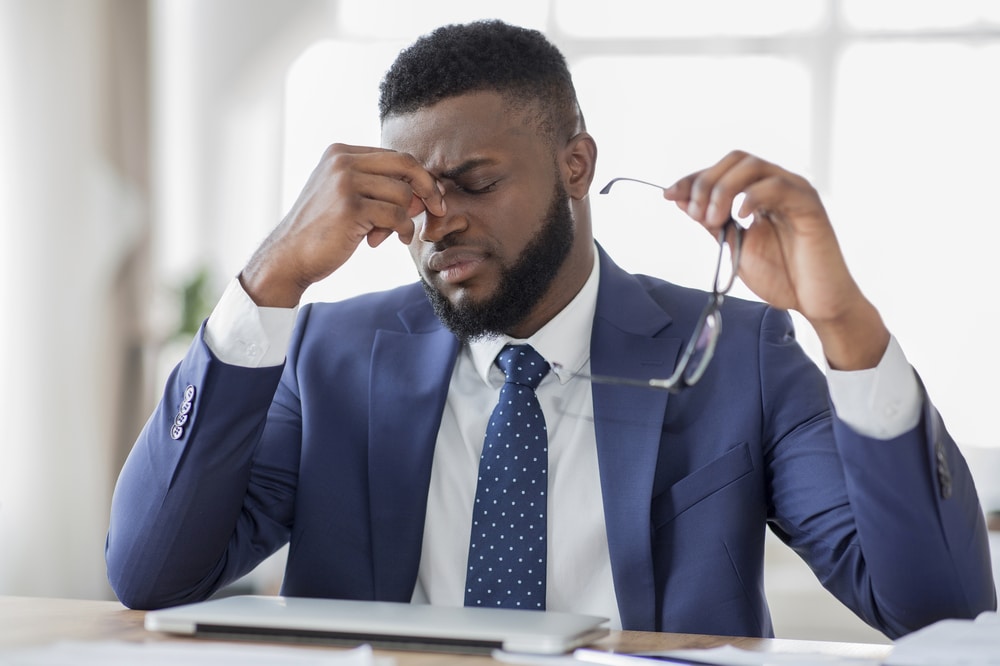
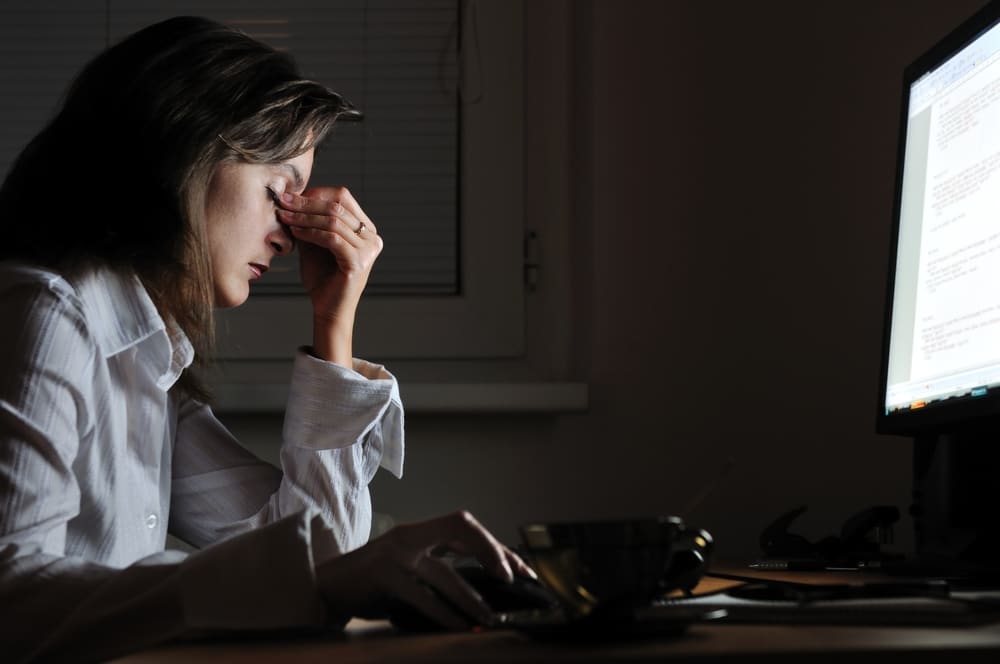
Tired eyes can cause your eyes to feel dry and itchy. There are many different things that can cause eye fatigue, from spending too much time using screens to driving for long distances. Tired eyes is a very common condition that can impact your entire day until you find relief. 

If you suffer from eye fatigue (also known as asthenopia or eyestrain), there are several things that you can do in order to improve your condition. If this is a common issue for you, there are also things that you can do in order to decrease the likelihood of this problem. If fatigue persists in spite of self-care measures, you will want to consult with your eye doctor in order to determine the cause and appropriate treatment methods.

Here’s what you need to know about what can cause eye fatigue and the things that you can do to help it.

Common Causes Of Eyestrain

tired eyes eye fatigue

In order to better understand what you can do to help eye fatigue, it’s helpful to know what the common causes of this issue are. Eyestrain can be caused by quite a few different circumstances. These range from easily adjustable to more serious conditions that need medical attention.

Some of the most common causes of eye fatigue include:

  • Excessive use of screens. This isn’t something that can be prevented for many people, given how many jobs involve long hours using screens. However, blue light exposure can lead to tired eyes, headaches, and more.
  • Intense eye focus. This applies to anything that you need to focus intently on, from reading to crafting to driving and more. If you don’t give your eyes a break, you may struggle with asthenopia.
  • Poor lighting. If you’re having to squint and lean in close in order to see what you’re doing, this can strain your eyes. Light that is too bright can also cause you to squint and struggle to see.
  • Lack of sleep. As you may expect with fatigue in the name, if you don’t get enough sleep, this can cause eyestrain, as your eyes aren’t getting the rest that they need.
  • Exposure to dry moving air. This is more common during the colder months, when people have their central heating running more often.
  • Underlying eye conditions. There are multiple underlying issues that can lead to asthenopia, such as uncorrected vision and dry eye. 

What You Can Do To Help Eye Fatigue

If you suffer from asthenopia, there are multiple things that you can do in order to improve your condition and to prevent it from occurring again in the future. 

Some of the ways you can both help and prevent your eyes from getting tired are as follows.

#1. Be Smarter With Your Screen Time

In an ideal world, you wouldn’t spend an excessive amount of time on your screens. However, for many people, they don’t have a choice in the matter, because they need to for school or for work. 

Blue Light Glasses - Wolcott Optical

Fortunately, there are still things that you can do. You can adjust the screen settings so that it is easier to see. You can take breaks every 20 minutes by looking somewhere 20 feet away for 20 seconds. You can ensure that you sit an arm’s length away from your screen and that your gaze is slightly downward.

If possible, try to reduce your screen time when you can. For instance, if you like to read, you may consider reading a physical book rather than an e-book.

#2. Take Breaks From Focusing

Whether you’re working, crafting, or driving, you should take regular breaks from anything that requires intense focus. Utilizing the above-mentioned 20-20-20 rule can help (but not if you’re driving!) If you’re driving, ensure that you pull over to take regular breaks so that your eyes have a chance to rest.

#3. Adjust Your Lighting

As mentioned above in regards to your screens, you’ll also want to adjust the lighting around you in order to ensure that you don’t have to strain your eyes in order to see properly. You don’t want it to be too bright or too dim, but, as Goldilocks says, just right. You can fiddle with your lighting to find that sweet spot that works best for you.

#4. Get Enough Sleep

Easier said than done if you already have eyestrain from lack of rest, isn’t it? Still, it’s crucial that you get your full 8 hours in, not just for the sake of your eyes, but for the sake of your overall mental, emotional, and physical health. 

#5. Avoid Air Blowing Right At You

You can do this inside by avoiding sitting by vents and fans, if possible. Glasses can provide a bit of protection here. If you venture outside, sunglasses can also protect your eyes from wind that would otherwise dry them out or cause them to water.

#6. See An Eye Doctor

glasses and contact lens prescriptions

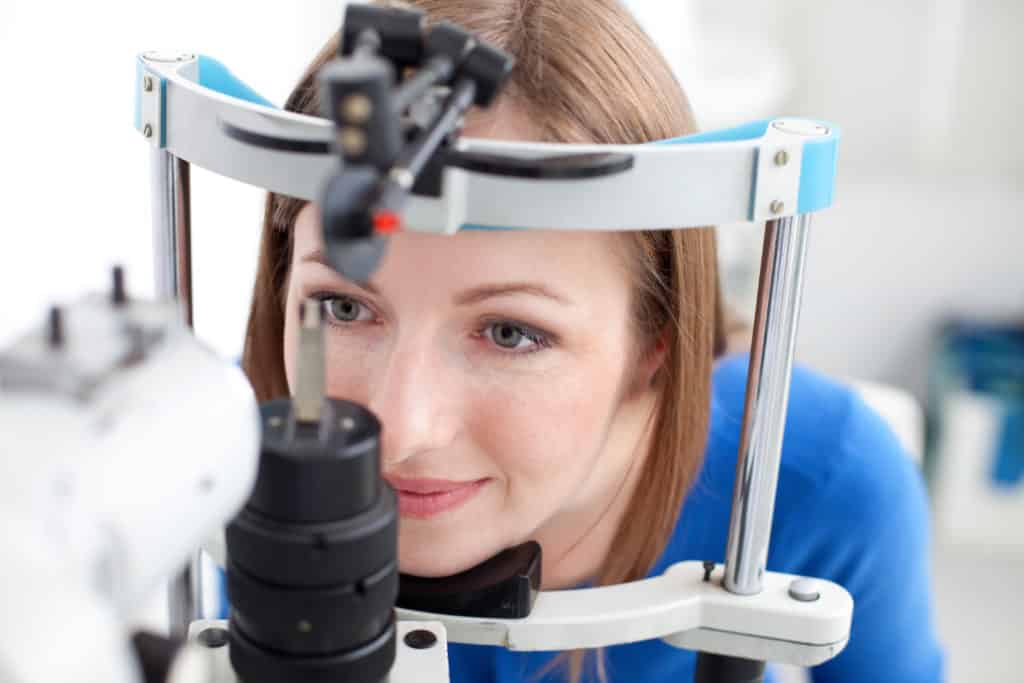
If self-care measures don’t help your eyestrain, you should schedule an appointment with your eye doctor in order to determine what’s going on.

Wolcott Optical can help you prevent eyestrain with our quality eyewear services. From blue-light-blocking glasses to sunglasses and more, we have an extensive selection of eyewear to suit your needs. Contact us to learn more about how we can help you. 

Filed Under: Contacts, Eyeglasses

During the winter months, all different types of concerns arise. Many people get sick, skin dryness becomes a prevalent problem, and more. Your eyes are affected by winter weather, too. From dryness to excessive watering and more, there are all sorts of different common eye problems in winter. Fortunately, most can be helped.

Here’s what you need to know about some of the most common eye problems in winter, as well as what you can do to help with each issue.

#1. Snow Blindness

common eye problems in winter

Also known as photokeratitis, snow blindness occurs when your eyes have been exposed to too much UV light. Basically, snow blindness is a sunburn on your eyes. You know how light reflects off of snow and can temporarily blind you? Snow blindness is when the UV rays from that glare damage your eyes.

Some of the symptoms of snow blindness include:

  • Eye pain
  • Watering
  • Swelling eyes
  • Twitching eyelids
  • Seeing halos around lights
  • Pain in bright light
  • And more

In spite of the name, snow blindness doesn’t just happen during the winter. It can also occur anywhere there is bright sunlight, such as on a beach.

How You Can Help It

Usually, snow blindness doesn’t cause permanent damage. It typically goes away within a few days. If it doesn’t, you’ll need to see a doctor.

There are some things you can do to both prevent snow blindness and treat it.

  • Take out your contacts and opt for glasses.
  • Wear sunglasses outside.
  • Use eye drops to protect the surface of your eyes.
  • Take painkillers as needed.
  • Stay out of the sun. 
  • Talk to your doctor.

#2. Dry Eyes

common eye problems in winter

During the winter, humidity levels in the air drop. Snowstorms bring winds that can dry out your eyes. Indoor heating reduces the amount of moisture in the air. With less moisture in the air, both inside and outside, dry eyes is among the most common eye problems in winter.

Some symptoms of dry eyes include:

  • Itching
  • Redness
  • Burning
  • Stickiness
  • Feeling like there’s something in your eye

If you already have dry eyes, this condition can be exacerbated by winter weather.

How You Can Help It

If you suffer from dry eyes, there are several things you can do to help. It’s always a good idea to talk to your eye doctor, especially if none of the following measures provide relief, as they will be able to provide you with expert medical advice specific to you.

  • Opt for glasses instead of contact lenses.
  • Try to wear your contacts less.
  • Use humidifiers inside.
  • Wear sunglasses outside. 
  • Use artificial tears. 
  • Lower the temperature of your thermostat, if you can.

#3. Watery Eyes

common eye problems in winter

On the opposite end of the spectrum, another one of the common eye problems in winter is watery eyes. While some people find that winter weather dries their eyes out, others find that their eyes produce an excessive amount of tears in an effort to stay protected. Like dry eyes, watery eyes result from decreased levels of moisture in the air. 

Symptoms of watery eyes include:

  • Excessive watering, of course.
  • Infection, from using dirty clothes to wipe away tears
  • Blocked tear ducts
  • Blurry vision

How You Can Help It

Many people find that their watery eyes stop being a problem once they go inside. Wearing glasses or sunglasses can reduce the likelihood of tearing.

However, sometimes people need treatment in order to find relief. Consult with your doctor in order to determine the best course of action for you, personally.

Some of the treatment options for watery eyes include:

  • Medications.
  • Removal of foreign objects.
  • Opening blocked tear ducts.
  • Eyelid repair, in extreme cases where your eyelid is sagging

If your watery eyes don’t go away and cause you pain and impact your ability to see clearly, you should contact your eye doctor.

Prescription Glasses, Sunglasses, And More To Protect Your Eye Health This Winter

common eye problems in winter

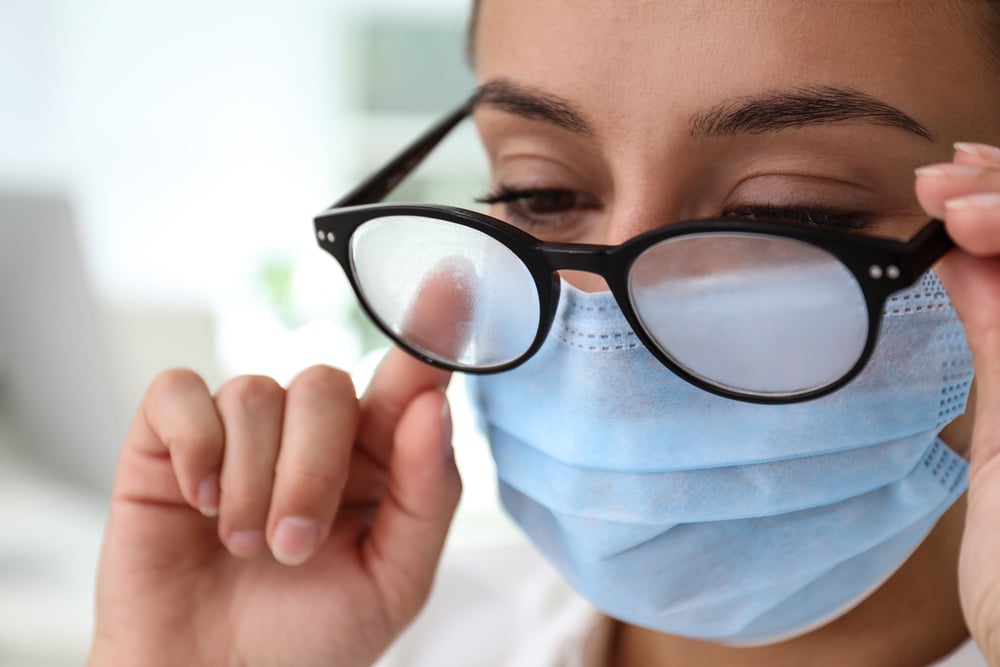
Wolcott Optical can help you protect your eyes from these common eye problems in winter with our quality eyewear. If you love going outside and getting the most out of the snow, you may benefit from prescription sunglasses or prescription safety glasses. If you want to be able to alternate between contact lenses and glasses, we carry a wide selection of many different frames so that you can select a pair that suit you. 

To learn more about our eyewear and how it can protect you from common eye problems in winter, please don’t hesitate to contact us today!
Filed Under: Sunglasses, Eyeglasses

Millcreek UT Eyeglasses

If you typically wear glasses rather than contact lenses or vice versa, you may assume that getting a pair of the other would be as easy as calling your eye doctor and ordering them. This isn’t so, though. Unless you’ve tried to do this or you use both glasses and contact lenses, you may not know that glasses and contact lens prescriptions are not the same. 

You need a separate prescription for glasses and for contact lenses due to some seemingly minute but significant differences between the two. If you wear contact lenses, your eye doctor may already provide you with a glasses prescription. However, this is not always the case.

Here is what you need to know about the differences between glasses and contact lens prescriptions, and what to do if you want to try the other type of lenses out.

Why Are Glasses And Contact Lens Prescriptions Different?

If you’re surprised to learn that glasses and contact lens prescriptions are different, you’re not alone. Many people assume that a prescription is a prescription, and that if you already have glasses, you should be able to get contacts with ease.

Glasses and contact lens prescriptions are different due to how you wear them. Glasses sit on the bridge of your nose, about 12 millimeters away from your eyes. Contact lenses are worn directly on your cornea. Because of the difference in how far away they are from your eyes and how you wear them, they require separate prescriptions.   

How Are Glasses And Contact Lens Prescriptions Different?

Glasses and contact lens prescriptions are different in more ways than you may expect! Here are some of the chief ways in which they differ. 

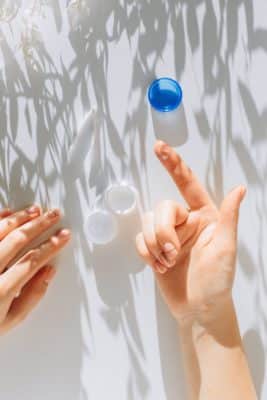
contact lenses Salt Lake City Utah

For Contacts

Because you wear contact lenses on your eyes, a contact lens prescription needs to be fitted to the size and shape of your eye. They don’t just need to have the lens strength, they also need to be fitted to your individual eyes so that they are comfortable. Different people have differently shaped and sized eyes, which impacts the contacts they wear. 

Different people also have different demands of their contacts: for instance, one person might need more breathability in their lenses because they wear them for long periods of time or accidentally fall asleep in them from time to time. This is why when you get contact lenses, your eye doctor may have you try out different brands and then include the brand that works best for you on your prescription. 

For Glasses

Since you wear glasses at a slight distance from your eyes, glasses prescriptions need your pupillary distance (the distance between your pupils), so you don’t have to worry about crossing your eyes or anything like that. Glasses prescriptions are often weaker than contact lens prescriptions due to the fact that the space between their lenses and your eyes leads to a change in prescription strength. 

While your contact lens prescription includes how they should fit, when you purchase glasses, the people you purchase them from will have you try different frames on and ask how they feel. They may make adjustments to the frames in order to help them fit you better. You may opt for one pair of frames over another, due to style, fit, and price.

What Do You Do If You Want To Get Another Prescription?

glasses and contact lens prescriptions

If you’re an avid glasses or contacts wearer and you want to give the other type of lens a go, you’ll likely need to make an appointment with your eye doctor. Sometimes, when you have your yearly eye exam, your eye doctor will fit you for both contacts and glasses and provide you with both prescriptions. However, state laws vary, and you may need to have different appointments to be fitted. 

If you want to try out contacts, you will need a contact lens fitting. This is so that the eye doctor can ensure they are fitted to your eyes and will be comfortable for you. 

  • About colored contacts. It’s important to note that even if you do not need corrective lenses, if you want to try out colored contacts, you will still need a contact lens prescription. A prescription without lens strength like this is a plano prescription. If you buy colored contacts from a store that does not require a prescription, you could suffer many adverse effects. Learn more about this in our previous blog: Colored Contacts And Your Eyes: Keep Your Eyes Safe This Halloween. 

If you want to try out glasses, you will need to be fitted for these too, with your pupillary difference. The parameters on glasses prescriptions can differ from contact prescriptions. If you want to try plano glasses, or glasses without corrective lenses, you can just pick these up in a store, as they do not carry the risks that non-prescription colored contacts do.

Wolcott Optical is here to help you with your glasses and contact lens needs. Contact us today to learn more about the services we can provide you with. 

Filed Under: Eyeglasses, Contacts

  • « Previous Page
  • 1
  • …
  • 23
  • 24
  • 25
  • 26
  • 27
  • …
  • 36
  • Next Page »
Eyeglasses Salt Lake City Utah Wolcott Optical

Hours

Wolcott Optical Services, LC
3145 S Highland Dr
Millcreek, UT 84106
801-441-3233
Monday Closed
Tuesday 9:00 AM - 5:30 PM
Wednesday 9:00 AM - 5:30 PM
Thursday 9:00 AM - 5:30 PM
Friday 9:00 AM - 5:30 PM
Saturday 10:00 AM - 3:00 PM
Sunday Closed

Hours

Monday Closed
Tuesday 9:00 AM - 5:30 PM
Wednesday 9:00 AM - 5:30 PM
Thursday 9:00 AM - 5:30 PM
Friday 9:00 AM - 5:30 PM
Saturday 10:00 AM - 3:00 PM
Sunday Closed

Special / Holiday Hours

Sept. 5 Closed
Sept. 7 Closed

SUBSCRIBE & SAVE

Follow Us

fgInstagram - Wolcott Opticalx&
Salt Lake City's Best Award Winner 2021 Gold for Best Eyewear Shop by The Salt Lake Tribune

Medical Disclaimer: Information on this site is not medical advice and is for educational purposes only. No doctor-patient relationship is formed. Click here for Full Legal Disclosures


2026 | Wolcott Optical | All Rights Reserved | Privacy Policy | Terms | Accessibility Statement | Anti-Discrimination Disclaimer | Healthcare Disclaimer | HIPAA Notice of Privacy Practices | XML Sitemap | Sitemap | Site by PDM