Millcreek UT Wolcott Optical

Wolcott Optical

Call Today!

801-441-3233
fgInstagram - Wolcott Opticalx&
  • Eyeglasses
    • Prescription Glasses
    • Bifocals
    • Reading Glasses
    • Lenses
    • Blue Light Blocking Glasses
    • Prescription Safety Glasses
    • Frames
      • Seraphin
      • Elasta
      • Kate Spade
      • Liz Claiborne
      • Etnia Barcelona Frames
      • l.a. Eyeworks
      • David Spencer Eyewear
      • Calvin Klein Frames
      • David Beckham
      • Hugo Boss
      • Nike Frames
      • Oakley Frames
      • Missoni Frames
      • Airlock Titanium Frames
      • Carolina Herrera
      • Fossil
      • Tommy Hilfiger
  • Sunglasses
    • Sunglasses For Men
    • Sunglasses For Women
    • Polarized Sunglasses
    • Prescription Sunglasses
    • Sunglass Brands
      • Maui Jim Sunglasses
      • Kaenon Polarized
      • Ray-Ban
      • Zeal Optics
      • Rudy Projects
      • Spy Optics
      • Oakley Sunglasses
      • Missoni Sunglasses
      • Fossil
  • Contacts
  • About
    • Our Team
    • Blog
  • Contact

7 Possible Reasons Your Contacts Keep Falling Out

Home | Eyeglasses | Page 8

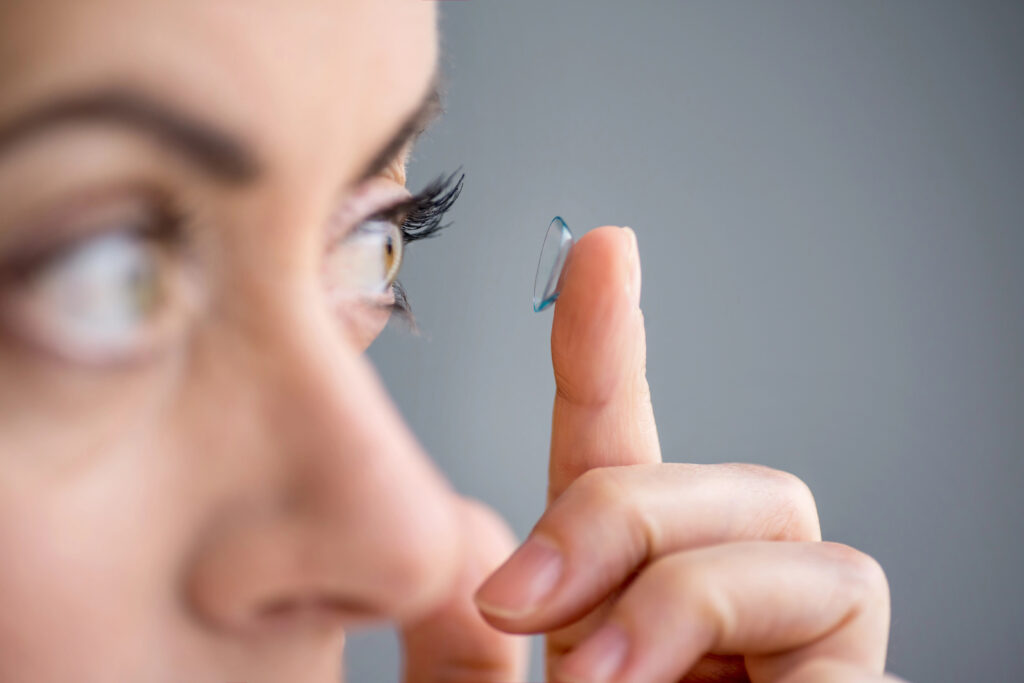
Contact lenses are designed to sit on the eye’s surface, correcting vision without the need for eyeglasses. That doesn’t mean they’re guaranteed to stay put, though. Certain underlying issues can make your contacts keep falling out, leading to major frustration and inhibiting your ability to see clearly.

At Wolcott Optical, we want you to have a good experience with your contact lenses. The right contacts, when used correctly, can be an excellent alternative to glasses for many patients. If your contacts keep falling out, keep reading to explore common reasons why this may be happening and learn how to address this aggravating issue. 

7 Possible Reasons Your Contacts Keep Falling Out

1. Contacts Aren’t the Right Fit

If your contacts keep falling out, they may not be the right fit for you. Contact lenses come in different sizes and curvatures to suit different eye shapes. Poorly fitting lenses can shift around or dislodge with blinking or eye movement. This is why it’s so important to receive a professional fitting from an eye doctor or optician to ensure you get the right lenses. 

2. Dry Eyes

Another possible reason your contacts keep falling out is dry eyes. Dryness impairs the lenses’ ability to adhere to the eyes’ surface, making them less likely to stay in place. 

There are a few things that can cause dry eyes, including wind, air conditioning, eye strain from screens, and natural tear production issues. Luckily, this problem isn’t too hard to fix — try eye drops, hydrating lenses, using a humidifier, or switching to daily disposable lenses. 

3. Incorrect Insertion

Improper insertion technique can cause contact lenses to sit unevenly on the eye or pop out. Before you put your lenses in, read all the instructions that come with your contacts, check the lenses’ orientation, and ensure your eyes aren’t too dry. As you place them on the eye, make sure they’re centered. 

7 Possible Reasons Your Contacts Keep Falling Out

4. Rubbing Your Eyes

Rubbing the eyes tends to dislodge or even eject contact lenses. You may find yourself rubbing  your eyes due to irritation, allergies, or tiredness. If your contacts keep falling out, avoid rubbing your eyes — instead, use eye drops, gently press instead of rub, or treat underlying irritants. Being more mindful about rubbing your eyes can help your lenses stay put. 

5. Wearing Old or Damaged Lenses

If you wear old or damaged lenses, that might be why your contacts keep falling out. Lenses with scratches and tears or have passed their intended wear time, they may not stay in place. Plus, they can cause discomfort and infection. Replace your lenses as recommended by your provider to avoid these issues. 

6. Contact Type May Not Be Right for You

There’s two types of contact lenses: soft and hard. Soft contact lenses are more comfortable, while hard lenses are more durable. If your contacts keep falling out, you may benefit from switching to a different type, material, or brand. Talk to your eye doctor or optician to learn more about your options and get help finding the best option for you. 

7. Improper Lens Care or Storage

Protein deposits and solution residue can impact contacts’ performance. Failing to clean your lenses and store them in fresh contact solution can cause buildup or warping, making them more likely to fall out. To avoid this, follow proper lens hygiene and care guidelines as recommended by your eye doctor and the lens manufacturer.

Contacts Keep Falling Out? When to See an Eye Doctor

If your contacts keep falling out after trying these tips — especially if you’re also experiencing pain, redness, or blurry vision — it’s time to see an eye doctor. They can determine whether fit, dryness issues, or other conditions are behind your contacts’ inability to stay put. Based on what they find in your eye exam, they can make adjustments to the type of contact lens or give you a new prescription that should work better for you. 

Browse Our Comprehensive Contact Lens Selection at Wolcott Optical

7 Possible Reasons Your Contacts Keep Falling Out

At Wolcott Optical, we’re proud to offer a comprehensive selection of contact lenses. Whether you prefer soft or hard lenses, reusable or single-use options, or specialty lenses for astigmatism or presbyopia, we have the quality vision solutions you need. 

Contact us today to get answers to all your contact lens-related questions, or stop by our store in Millcreek, Utah, to browse our wide range of glasses and contacts and find what works for you.

Filed Under: Eyeglasses

Signs Your Child May Need Glasses

Vision problems are common in children; however, not every child — especially young children — may realize that their vision is inhibited. Because of this, it’s important for parents to be aware of the physical and behavioral signs their child may need glasses, helping them develop academically, socially, and physically. 

If you’re the parent of a young, school-aged child, keep reading to learn more about 10 signs to be on the lookout for that may indicate your child needs glasses. 

1. Frequent Squinting

Squinting helps temporarily improve focus and is common among those with nearsightedness or astigmatism. If your child squints frequently while watching TV, reading faraway signs, or looking at the board at school, it may be time for an eye exam.

2. Complaints of Headaches or Eye Strain

Another sign your child may need glasses is frequent complaints of headaches or eye strain. Uncorrected vision problems can cause muscle fatigue, which may lead to pain in the face or head. Children may experience these symptoms during or after school, while working on homework, or during screen time. 

3. Sitting Too Close to Screens or Holding Books Close

Sitting too close to screens or holding books close to the face are common coping mechanisms for nearsighted children. These habits come with the risk of eye strain and headaches, so if you notice your child bringing things close to their face to see them better, it’s important to take them in for an eye exam to determine whether they need glasses.

4. Rubbing Eyes Frequently

If your child rubs their eyes frequently, it may indicate that their eyes are tired or strained as the result of vision problems. However, it could also be a sign of dryness, allergies, or difficulty focusing. Talk to your child’s pediatrician or eye doctor to determine the cause. 

5. Difficulty Concentrating or Avoiding Reading

Vision problems can make reading or schoolwork frustrating. Because they have a hard time deciphering text or seeing little details, children who need glasses may tend to avoid these tasks altogether, leading to misdiagnoses like ADHD.

Signs Your Child May Need Glasses

6. Falling Behind in School

When a child can’t concentrate because of their vision problems, they may have poor academic performance. After all, reading, writing, and staying engaged in class all depend on having clear vision. While falling behind in school doesn’t necessarily mean your child has vision problems, it  may be part of a larger pattern that indicates they need glasses.

7. Covering One Eye or Tilting the Head

Children with double vision or amblyopia (a “lazy” eye) may cover one eye or tilt their head to compensate. This can impact their depth perception and balance, making it harder for them to navigate the world around them. Glasses can help correct their vision problems and Glasses can help correct their vision problems and improve their overall quality of life.

8. Frequent Eye Infections or Excessive Tearing

Frequent eye infections of excessive tear production can sometimes be linked to blocked tear ducts or eye misalignment, which may signal underlying vision issues that require attention. If your child consistently deals with these issues, it’s best to make an appointment with an eye doctor to determine whether they need glasses or another vision therapy. 

9. Difficulty with Hand-Eye Coordination

Vision plays a key role in physical activities that require hand-eye coordination, such as catching a ball, doing crafts, or writing neatly. Children who need glasses may appear clumsy or struggle with sports because their hand-eye coordination is lacking. 

10. Family History of Vision Problems

If your family has a history of vision problems, your child will be more likely to need glasses. Many vision-related conditions have a hereditary component, including nearsightedness, farsightedness, glaucoma, and astigmatism. Even if no symptoms are evident, it’s a smart idea to seek proactive screenings to catch potential issues early. 

Signs Your Child May Need Glasses

What to Do if You Notice These Signs

If you notice any of these signs, it’s important to schedule a comprehensive eye exam by an optometrist. Experts recommend school-aged children should have an eye exam every year or two, either at their well-child checkups or routine school checks, but you can also take them to the eye doctor for more specialized care. 

Does Your Child Need Glasses? Trust Wolcott Optical

At Wolcott Optical, we specialize in providing a wide range of vision solutions for people of all ages. Whether you need help picking out your child’s first pair of glasses or getting contact lenses for yourself, we’re here for you. Stop by our store or contact us today to learn more about what we have to offer.

Filed Under: Eyeglasses

8 Signs It’s Time for a New Prescription

As you go throughout your life, your eyesight will continue to change, sometimes subtly, sometimes noticeably. Whether you wear glasses or contact lenses, it’s important to stay up to date with your prescription in order to maintain clear vision and prevent unnecessary eye strain. But how do you know when it’s time to schedule an exam? Here are some common signs that your prescription may need to be updated.

1. Blurry Vision

One of the most common signs of an outdated prescription is blurry vision. If objects appear fuzzy or out of focus, especially when wearing your current glasses or contacts, or if you feel like you’re squinting more than usual to read road signs or your phone, you likely need to update your prescription. 

2. Frequent Headaches

When your eyes have to work overtime to compensate for outdated lenses, you may have frequent tension headaches, particularly after prolonged periods of close-up work or reading. These headaches will usually occur around your temples or behind your eyes. 

You may also feel nauseous or dizzy from wearing glasses or contacts with the wrong prescription. 

3. Eye Strain or Fatigue

If your eyes feel tired after only a short period of reading or screen time or if you notice burning, aching, or tearing, you may need to get a stronger or adjusted prescription. This is a sign your eye muscles are working overtime. 

4. Trouble Seeing at Night

Difficulty seeing or experiencing glare in low light or while driving at night can signal changes in your vision that your current prescription doesn’t address.

8 Signs It’s Time for a New Prescriptions

5. Double Vision or Seeing Halos

Seeing double or noticing halos around lights, especially at night, could mean your lenses are no longer properly correcting your vision. You may need glasses with special prism lenses to correct the misalignment of your eyes. 

6. Your Glasses or Contacts Feel “Off”

If your eyewear suddenly feels uncomfortable, or if things just don’t look as crisp as they used to, your prescription may have changed.

7. You’re Squinting or Holding Things Close

If you catch yourself holding books or your phone at unusual angles or distances just to see clearly, you should schedule an eye checkup. If you find yourself only squinting in bright environments, you may want to invest in a good pair of prescription sunglasses. 

8. It’s Been Over a Year Since Your Last Eye Exam

Even if you feel fine and can see well when wearing your glasses or contacts, your vision can change gradually without obvious symptoms. Annual eye exams help catch issues early and keep your prescription accurate. 

Other Reasons to Get New Glasses

Even if you don’t need a new prescription, you may want to get new glasses if:

Your Glasses are Scratched or Difficult to Clean — If your glasses always look dirty no matter how much you clean them, the lenses may be damaged or covered in tiny scratches. This can cause a cloudiness that is difficult to clean and see through. Replacing your lenses can give you back clear vision. 

The Frames are Bent — Bent frames not only make your glasses feel uncomfortable and look off while on but they can also distort your vision because of the incorrect angle. You can try to adjust them, but if they still seem off, you may want to invest in a new pair of glasses. 

You’re in a New Career — If you change careers, you may want to invest in new glasses. If you will be working at a computer, you could benefit from a blue-light blocking coating, or if you will be working in a physical job, such as construction, you may want scratch-resistant lenses. 

You Want an Upgrade — Glasses and contact technology continues to evolve, and you may want to take advantage of new contact materials or lens coatings. Silicone hydrogel contacts allow more oxygen to reach the eye while anti-reflective glasses coating cuts down on glare. 

You Want a New Style — Not fond of your current glasses? It may be time to invest in a new style that will help you feel more like yourself. You wear your glasses every day; it’s important to feel good in them. 

8 Signs It’s Time for a New Prescriptions

Protect Your Eyes — Stay Up to Date with Your Prescription 

Keeping your prescription up to date not only helps you see better but also protects your overall eye health. If you’re experiencing any blurry vision, headaches, or eye strain, or if you haven’t been to the eye doctor in years, take the time to schedule an appointment. Remember, clear vision and healthy eyes are important.

Filed Under: Eyeglasses

  • « Previous Page
  • 1
  • …
  • 6
  • 7
  • 8
  • 9
  • 10
  • …
  • 36
  • Next Page »
Eyeglasses Salt Lake City Utah Wolcott Optical

Hours

Wolcott Optical Services, LC
3145 S Highland Dr
Millcreek, UT 84106
801-441-3233
Monday Closed
Tuesday 9:00 AM - 5:30 PM
Wednesday 9:00 AM - 5:30 PM
Thursday 9:00 AM - 5:30 PM
Friday 9:00 AM - 5:30 PM
Saturday 10:00 AM - 3:00 PM
Sunday Closed

Hours

Monday Closed
Tuesday 9:00 AM - 5:30 PM
Wednesday 9:00 AM - 5:30 PM
Thursday 9:00 AM - 5:30 PM
Friday 9:00 AM - 5:30 PM
Saturday 10:00 AM - 3:00 PM
Sunday Closed

Special / Holiday Hours

Sept. 5 Closed
Sept. 7 Closed

SUBSCRIBE & SAVE

Follow Us

fgInstagram - Wolcott Opticalx&
Salt Lake City's Best Award Winner 2021 Gold for Best Eyewear Shop by The Salt Lake Tribune

Medical Disclaimer: Information on this site is not medical advice and is for educational purposes only. No doctor-patient relationship is formed. Click here for Full Legal Disclosures


2026 | Wolcott Optical | All Rights Reserved | Privacy Policy | Terms | Accessibility Statement | Anti-Discrimination Disclaimer | Healthcare Disclaimer | HIPAA Notice of Privacy Practices | XML Sitemap | Sitemap | Site by PDM