
Millcreek UT Wolcott Optical

Wolcott Optical

Call Today!

801-441-3233
fgInstagram - Wolcott Opticalx&
  • Eyeglasses
    • Prescription Glasses
    • Bifocals
    • Reading Glasses
    • Lenses
    • Blue Light Blocking Glasses
    • Prescription Safety Glasses
    • Frames
      • Seraphin
      • Elasta
      • Kate Spade
      • Liz Claiborne
      • Etnia Barcelona Frames
      • l.a. Eyeworks
      • David Spencer Eyewear
      • Calvin Klein Frames
      • David Beckham
      • Hugo Boss
      • Nike Frames
      • Oakley Frames
      • Missoni Frames
      • Airlock Titanium Frames
      • Carolina Herrera
      • Fossil
      • Tommy Hilfiger
  • Sunglasses
    • Sunglasses For Men
    • Sunglasses For Women
    • Polarized Sunglasses
    • Prescription Sunglasses
    • Sunglass Brands
      • Maui Jim Sunglasses
      • Kaenon Polarized
      • Ray-Ban
      • Zeal Optics
      • Rudy Projects
      • Spy Optics
      • Oakley Sunglasses
      • Missoni Sunglasses
      • Fossil
  • Contacts
  • About
    • Our Team
    • Blog
  • Contact

Are Your Contacts Inside Out? Here’s How to Know

Home | Eyeglasses | Page 10

Are Your Contacts Inside Out? Here's How to Know

Switching from glasses to contact lenses can be a game-changer when it comes to vision and convenience — but only if they’re worn correctly. One common issue lens wearers face, especially those new to lenses, is putting them in inside out. While not usually dangerous, wearing a lens the wrong way can be uncomfortable and may affect your vision. 

Here’s how to tell if your contact lenses are inside out before putting them in. 

Do the “Taco Test”

The taco test is one of the most reliable tricks. 

How to do it:

  • Place the lens between your thumb and forefinger, near the center, so the edges are free. 
  • Gently squeeze the lens by pinching it at the edges, like you’re trying to fold it into a taco, being careful not to squish it completely in half. 

If it folds in smoothly like a taco, it’s correctly oriented. If the edges flare outward, it’s inside out.

Check the Shape

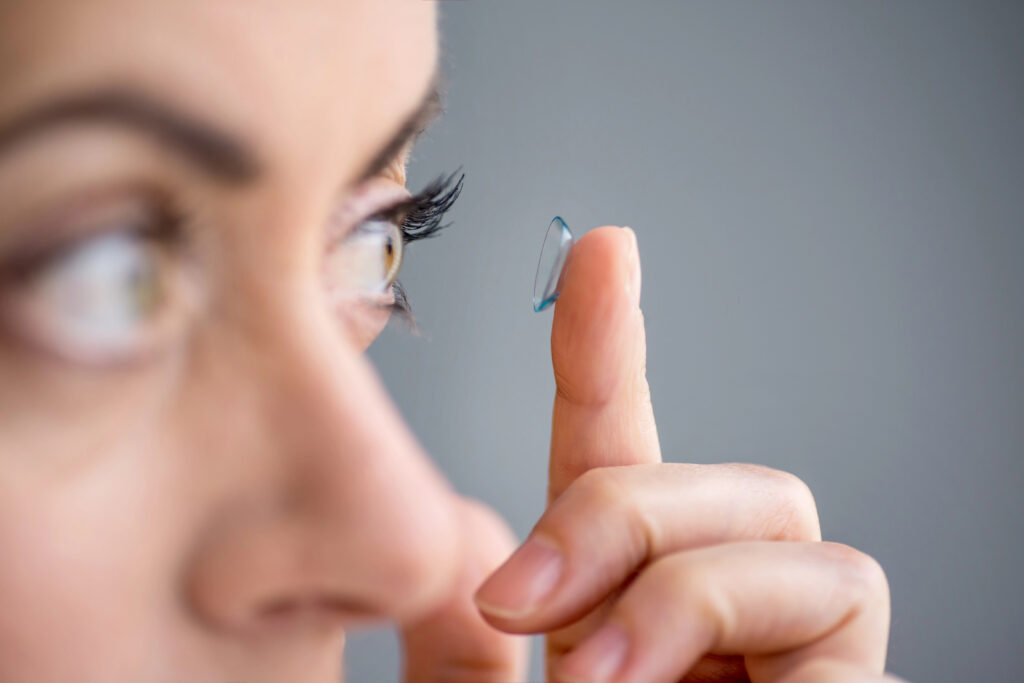
Hold the lens on the tip of your finger and look at it from the side. 

  • Right-side out: The lens forms a smooth, symmetrical U shape — like a bowl.
  • Inside out: The edges flare outward, making the lens resemble more of a shallow saucer.

In summary, a perfect half-sphere is correct; a saucer shape is not.

Look for Markings or Tint

Many contact brands include small numbers or letters or a tint near the edge of the lens. The tint is typically blue but sometimes green. 

Are Your Contacts Inside Out? Here's How to Know

How to do it:

  • Place the contact lens on your fingertip.
  • Hold it up to a light and look for a marking or tint.

If you can read the numbers and letters correctly, the lens is right-side out, and if they appear backward, it’s inside out. If your lens has a tint, you’ll know it’s right-side out if the edges look bright and inside-out if the edges look pale. 

Note that not all lenses have markings or tint, so don’t rely on this method alone. If you want to know whether your contacts have markings, check the manufacturer’s website. 

Feel the Fit

If you’re still unsure after inserting the lens, your eye will often tell you. 

Signs your contact might be inside out: 

  • It feels uncomfortable, gritty, or scratchy. 
  • Your vision seems blurry or slightly off. 
  • Your eyes water more than usual. 
  • The lens moves around more often or doesn’t sit right on your eye.

If you notice any of these signs, remove the lens, rinse it with solution, and try again.

Daily Disposable Contacts

If you wear daily disposable contacts, pay attention to how they sit in the packaging. This will help you remember how they look right-side out and help you put them in correctly every time. It’s highly unlikely that you’ll open the package and find the lenses inside out.

Additional Tips 

Here are a few additional tips for inserting and wearing contacts:

Hand Hygiene — Wash your hands with soap and dry them completely before inserting or removing contact lenses. Avoid oily or heavily scented soaps that can leave residue on your hands and lenses. 

Insertion — Take your time, especially when you’re just starting out, and if in doubt, take your lenses out and recheck. Make sure you blink a few times to help the lenses settle. 

Cleaning and Disinfecting — Clean and disinfect your lenses daily using a fresh solution, and throw them away when they have reached the end of their lifespan. 

Storage — Use a clean contact lens case every day and replace it every three months. Avoid reusing old solution in your case. 

Water Exposure — Avoid swimming, showering, or using hot tubs with your contacts in, as water can introduce harmful bacteria. 

Overwear — You may be tempted to wear your contacts longer than recommended or to sleep in them after a long day, but this can lead to irritation and discomfort and reduce oxygen flow to your eyes. You also risk developing an infection and damaging your cornea. 

Make Sure to Wear Your Contacts Correctly
Are Your Contacts Inside Out? Here's How to Know

Being able to tell if your contacts are inside out may take a little practice, but it’s an essential part of comfortable and effective lens wear. By using easy and simple methods like the taco test, checking the lens shape, or looking for brand markings, you can avoid irritation and ensure clear vision all day.

Trust yourself and your eyes — if something feels off, it probably is. By applying these quick checks and tips to your daily routine, you’ll be handling your contacts like a pro in no time. 

Filed Under: Eyeglasses

The Complete Guide to Sunglass Care and Storage

Sunglasses are more than just a summer accessory — they protect your eyes year-round. Whether you’re shielding your eyes from the summer sun or winter glare, it’s important to keep your sunglasses in top condition so they’ll always be ready when you need them. Here’s how to store and care for your sunglasses throughout the year.

Use a Protective Case

Always store your sunglasses in a hard-shell case when not in use. This will protect them from scratches, dust, debris, and accidental bumps. Soft pouches are convenient, but they don’t offer the same level of protection as a sturdy case with a soft lining. 

Choose a case that fits your sunglasses snugly to avoid movement that can cause lens scratches or frame warping. 

Clean Them Properly

Regular cleaning helps extend the life of your sunglasses. Using a microfiber cloth and a lens-safe cleaner, wipe away fingerprints and debris. Avoid using paper towels, tissues, or your shirt — these can scratch the lenses.

DIY Cleaner: Rinse the lenses to remove loose debris, then mix a drop of mild dish soap with lukewarm water. Rinse the lenses, gently rub with your fingers, and dry with a microfiber cloth.

Never use hot water, hard chemicals, lotion, or household cleaners, such as Windex, as they can damage lens coatings. 

Avoid Heat and Direct Sunlight

Extreme heat can warp and melt frames and damage lens coatings. Cold temperatures can make the lenses brittle and prone to cracking.  Never leave your sunglasses in hot places, such as a car dashboard or near a heater, or in cold places, such as your car overnight in the winter. 

To keep your sunglasses from becoming damaged, store them in a cool, dry spot instead. 

Check Screws and Hinges

The Complete Guide to Sunglasses Care and Storage

Over time, screws and hinges can loosen due to wear and tear. Every few months, inspect your sunglasses and tighten any loose screws. You can buy an eyeglass repair kit (typically includes a magnifier, small screwdriver, and backup screws) at most stores for an easy DIY fix, however, you can stop by and have a professional fix your glasses if you are missing a scew and don’t have a match or can’t get them adjusted properly.

If you choose to fix your glasses on your own, be careful not to quickly or over tighten the scews as this could crack the frame.

Store Them Correctly in the Off-Season

If you switch between sunglasses and regular glasses depending on the season, make sure you store your sunglasses in a clean, dry drawer or a protective box. Avoid throwing them in a junk drawer or cupboard where other items can scratch the lenses and damage the frame. 

Consider including a silica gel packet to absorb moisture and prevent lens fogging or frame corrosion. 

Handle Them With Care

Handle your sunglasses with clean hands to minimize smudges and maintain clarity, and only touch the lenses on the edge if you have to handle them. Avoid wearing them on the top of your head, as the shape of the glasses can become distorted, the hinges can loosen, and the nose pads and temples can become damaged. You also risk getting hair oils and styling products on your lenses. 

Additionally, always handle your sunglasses by holding both temples. Grabbing them by one can wear down the shape and stability of that temple and make it more prone to breaking or bending. However, if the temples do become bent, gently adjust them back to the proper shape. 

Rotate Pairs if You Have Multiple

If you have multiple pairs of sunglasses, make sure you regularly rotate between them to extend the life of each pair. Plus, having a backup ensures you’re never caught without eye protection.

Know When It’s Time for a Replacement

No matter how careful you are and how well you take care of your sunglasses, they will eventually wear out. If the lenses are scratched, the UV coating has worn off, or the frames are warped beyond repair, it’s time for a new pair. 

The Complete Guide to Sunglasses Care and Storage

Take Care of Your Sunglasses No Matter the Time of Year 

Taking care of your sunglasses is about more than just preserving their look — it’s about protecting your eyes and making your investment last. With proper cleaning, careful storage, and seasonal maintenance, you can keep your shades in great shape all year long. Whether you wear them daily or only on sunny summer days, a little attention goes a long way in keeping your sunglasses scratch-free, functional, and stylish, no matter the season.

Filed Under: Eyeglasses

How to Tell If Your Sunglasses Actually Offer UV Protection

When purchasing sunglasses, you may only focus on getting a style that suits your face and preferences. However, while you should feel good in your sunglasses, the real reason to wear them is to protect your eyes from harmful ultraviolet (UV) rays. Not all sunglasses are created equal — and just because they’re tinted doesn’t mean they offer true UV protection. Here’s how you can tell if your shades are doing their job.

What is Ultraviolet (UV) Light?

Ultraviolet light comes from the sun, but it’s invisible to the human eye. It’s part of the electromagnetic spectrum and helps the body produce vitamin D, which is important for calcium absorption. However, too much UV exposure can cause sunburn, tanning, skin aging, and skin cancer, so UV protection is essential:

Why UV Protection Matters

Prolonged exposure to UV light can lead to serious eye conditions, such as cataracts (clouding of the lens), macular degeneration (damage to the retina), photokeratitis (a sunburned eye), and even skin cancer around the eyes. It can also damage the lens, cornea, and retina, causing vision impairment or even blindness. Wearing sunglasses with 100% UV protection helps block both UVA and UVB rays, significantly reducing these risks.

Check the Label

The easiest way to tell if your sunglasses offer good UV protection is to look for a label or sticker that says 100% UV protection or UV400, which blocks all light rays with wavelengths up to 400 nanometers, including UVA and UVB. Be wary of vague labels like “blocks harmful rays” or “UV absorbing” without specific details.

Buy From a Reputable Source

Designer labels and brand names don’t automatically guarantee UV protection, but buying from a reputable store or trusted retailer does increase your chances. Avoid unbranded sunglasses or cheap knockoffs unless they’re certified.

If you want to buy them online, read reviews and only buy from reputable sellers. If the listing lacks details about UV protection, it’s better to skip it.

Use a UV Light Tester

How to Tell If Your Sunglasses Actually Offer UV Protection

Some optometrists or eyewear retailers have a UV light testing machine that can measure the amount of UV radiation the lenses block. If you’re unsure, bring your sunglasses in for a quick test. You can also use a UV flashlight and some UV-sensitive material, such as a dollar. Shine a flashlight through the lens and onto the material. If it doesn’t change or reveal any elements, the lens is blocking UV rays. 

Consider Polarization vs. UV Protection

A popular misconception involves the polarization vs. UV protection. Polarization is designed to reduce glare and improve visual clarity and comfort when viewing reflective surfaces like water or roads. However, polarization doesn’t always include UV protection. Always check for both features if you need them. 

Don’t Rely on Lens Darkness or Tint

Darker lenses don’t equal better UV protection. In fact, dark lenses without UV protection can be worse, because they cause your pupils to dilate, allowing more UV rays to enter your eyes. Always prioritize UV rating over darkness.

Similarly, lens color can affect contrast and visibility, but not UV protection. Always rely on the UV rating, not the shade.

Prescription Sunglasses Need UV Too

If you wear prescription sunglasses, confirm with your optometrist that your lenses include 100% UV protection. Most modern lenses do, but you may want to double-check — especially if you have older lenses.

Replace When Necessary 

Over time, UV coatings may not be as effective, especially if your sunglasses have been scratched or heavily used. If your shades are a few years old, consider getting them retested or replacing them.

Other Considerations 

When outside, you may want to wear a hat, preferably one with a wide brim, as this can help protect your face and eyes from the sun. Use sunscreen, especially on the sensitive skin around your eyes, and stay hydrated to keep your eyes healthy. Finally, stay in the shade when possible and take regular breaks from activities such as swimming and hiking. 

How to Tell If Your Sunglasses Actually Offer UV Protection

In addition, remember that UV rays remain present year-round — even on cloudy days. Snow, sand, and water all reflect UV light, increasing your exposure. Wear sunglasses daily —  no matter the season, especially if you’re at high altitudes or near reflective surfaces.

Protect Your Eyes with UV-Blocking Sunglasses

Your eyes are incredibly sensitive to sun damage, and UV protection plays an essential role; for this reason, it should not be optional. Make UV protection a non-negotiable feature when buying sunglasses, just like you would with sunscreen for your skin. Your future self and eyes will thank you.

Filed Under: Eyeglasses

  • « Previous Page
  • 1
  • …
  • 8
  • 9
  • 10
  • 11
  • 12
  • …
  • 36
  • Next Page »
Eyeglasses Salt Lake City Utah Wolcott Optical

Hours

Wolcott Optical Services, LC
3145 S Highland Dr
Millcreek, UT 84106
801-441-3233
Monday Closed
Tuesday 9:00 AM - 5:30 PM
Wednesday 9:00 AM - 5:30 PM
Thursday 9:00 AM - 5:30 PM
Friday 9:00 AM - 5:30 PM
Saturday 10:00 AM - 3:00 PM
Sunday Closed

Hours

Monday Closed
Tuesday 9:00 AM - 5:30 PM
Wednesday 9:00 AM - 5:30 PM
Thursday 9:00 AM - 5:30 PM
Friday 9:00 AM - 5:30 PM
Saturday 10:00 AM - 3:00 PM
Sunday Closed

SUBSCRIBE & SAVE

Follow Us

fgInstagram - Wolcott Opticalx&
Salt Lake City's Best Award Winner 2021 Gold for Best Eyewear Shop by The Salt Lake Tribune

Medical Disclaimer: Information on this site is not medical advice and is for educational purposes only. No doctor-patient relationship is formed. Click here for Full Legal Disclosures


2026 | Wolcott Optical | All Rights Reserved | Privacy Policy | Terms | Accessibility Statement | Anti-Discrimination Disclaimer | Healthcare Disclaimer | HIPAA Notice of Privacy Practices | XML Sitemap | Sitemap | Site by PDM