Millcreek UT Wolcott Optical

Wolcott Optical

Call Today!

801-441-3233
fgInstagram - Wolcott Opticalx&
  • Eyeglasses
    • Prescription Glasses
    • Bifocals
    • Reading Glasses
    • Lenses
    • Blue Light Blocking Glasses
    • Prescription Safety Glasses
    • Frames
      • Seraphin
      • Elasta
      • Kate Spade
      • Liz Claiborne
      • Etnia Barcelona Frames
      • l.a. Eyeworks
      • David Spencer Eyewear
      • Calvin Klein Frames
      • David Beckham
      • Hugo Boss
      • Nike Frames
      • Oakley Frames
      • Missoni Frames
      • Airlock Titanium Frames
      • Carolina Herrera
      • Fossil
      • Tommy Hilfiger
  • Sunglasses
    • Sunglasses For Men
    • Sunglasses For Women
    • Polarized Sunglasses
    • Prescription Sunglasses
    • Sunglass Brands
      • Maui Jim Sunglasses
      • Kaenon Polarized
      • Ray-Ban
      • Zeal Optics
      • Rudy Projects
      • Spy Optics
      • Oakley Sunglasses
      • Missoni Sunglasses
      • Fossil
  • Contacts
  • About
    • Our Team
    • Blog
  • Contact

10 Habits That Are Bad for Your Eyes

Home | Eyeglasses | Page 11

10 Habits That Are Bad for Your Eyes

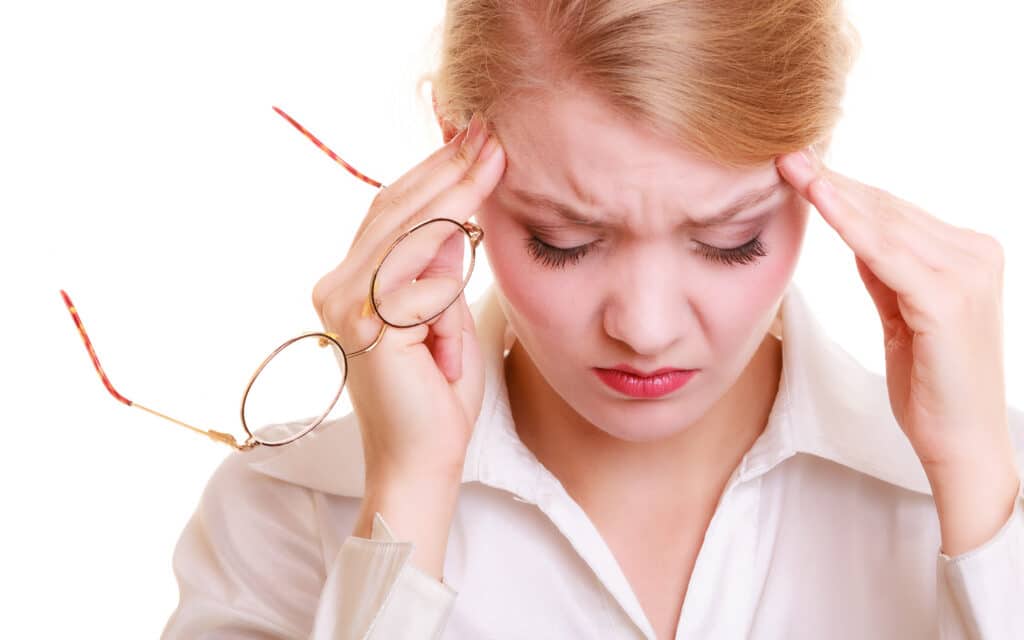
As you go about your daily life, you may not realize you often engage in habits that harm your vision over time. From excessive screen use to poor diet choices, many common practices can contribute to eye strain, dryness, and long-term damage. Your eyes work tirelessly every day, so here are some habits to avoid to keep your eyes healthy and working hard. 

1. Excessive Screen Time

Staring at computer, smartphone, or tablet screens for long periods of time can lead to digital eye strain. You don’t blink as much staring at a screen and your eyes also have to focus harder, leading to eye dryness, headaches, and blurry vision. 

Make sure to blink regularly to keep your eyes lubricated and follow the 20-20-20 rule: every 20 minutes, look at something 20 feet away for at least 20 seconds.

2. Not Wearing Sunglasses

UV rays from the sun can cause serious eye damage, including cataracts and macular degeneration. Everyone, including children, should wear sunglasses with 100% UV protection when outdoors to shield their eyes from harmful radiation. Polarized sunglasses are even better because they reduce glare, helping prevent eye strain and fatigue.

It’s important to wear sunglasses in good condition. Scratched sunglasses may not protect your eyes as well and could cause eye strain.

3. Rubbing Your Eyes

Rubbing your eyes frequently or aggressively can introduce dirt and bacteria, increasing the risk of infections. It can also cause tiny blood vessels to break, leading to redness and irritation. You also risk damaging your cornea and causing keratoconus, a condition where a cone-like bulge appears on the surface of your cornea. You can also worsen glaucoma if you suffer from the condition. 

10 Habits That Are Bad for Your Eyes

4. Sleeping with Contact Lenses

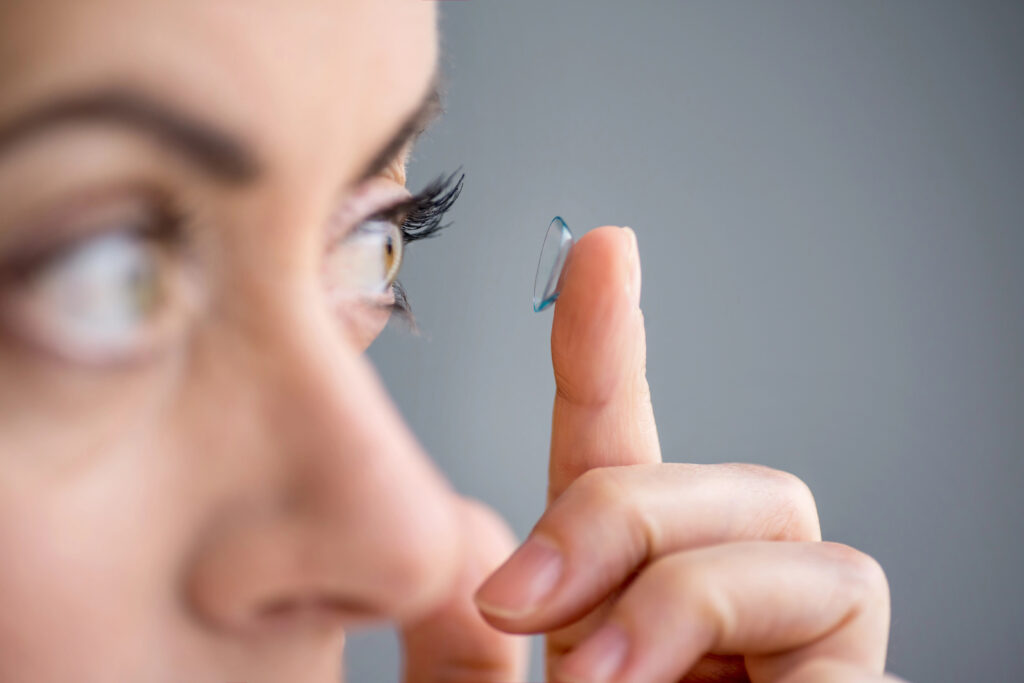
If you sleep in your contacts, you reduce the oxygen flow to the cornea and let possible debris sit against it, increasing the risk of infections and complications like corneal ulcers. Always remove your contacts before bedtime unless they are specifically designed for extended wear.

5. Poor Diet Choices

A diet lacking in essential nutrients like vitamins A, C, and E can affect eye health. Leafy greens, carrots, citrus fruits, and fish rich in omega-3 fatty acids can help maintain good vision and reduce the risk of age-related eye diseases.

You should also make sure you drink plenty of water throughout the day to keep your eyes moisturized and nourished. Dry eyes, red eyes, and puffy eyelids can all result from dehydration

6. Reading in Poor Lighting

Reading in dim lighting can strain your eyes and reduce your blinking, leading to fatigue, discomfort, and headaches. Ensure you have adequate lighting when reading or working to minimize stress on your vision.

7. Ignoring Dry Eyes

Ignoring symptoms of dry eyes, such as irritation or a gritty feeling, can lead to chronic discomfort. Use artificial tears, stay hydrated, and utilize a humidifier to maintain proper eye moisture. You can also apply a warm compress to your eyes to soothe irritation and promote tear production.

8. Sleeping With Makeup On 

If you make a habit of sleeping with your makeup on, you can irritate your eyes and increase the risk of eye infections, particularly stys, which are painful lumps that grow under your eyelash or eyelid. 

You should also regularly update your makeup — every three to four months — to prevent bacteria growth and decrease eye infection risk. 

9. Not Getting Enough Sleep

A lack of sleep can cause bloodshot eyes, dark circles, eye twitching, dry eyes, light sensitivity, swollen eyes, and blurry vision. It can also cause your eyes to look aged. If you don’t get enough sleep, you can also increase your risk of developing glaucoma. Make sure you get enough sleep every night and if you suffer from insomnia, consider visiting your doctor to discuss treatment options. 

10. Not Getting Regular Eye Exams

Skipping routine eye exams can lead to undiagnosed vision problems or eye conditions like glaucoma, which may not show symptoms early on. Regular check-ups ensure any issues are detected and treated promptly. If you suffer from dry eyes, make sure to use mild face soap to remove your eye makeup. 

Improve Your Daily Habits to Protect Your Eyes

10 Habits That Are Bad for Your Eyes

Your eyes play a big role in your everyday life, so you should prioritize taking care of them. By avoiding habits that hurt and strain your eyes and adopting healthier practices, you can maintain better vision and reduce the risk of long-term damage. Protect your eyes today for a brighter tomorrow.

Filed Under: Eyeglasses

different types of contacts

Many people wear contact lenses as an easy and comfortable alternative to glasses. But if you don’t wear them correctly, you could suffer from eye irritation, dryness, or even an infection. To maintain eye optimal eye health, you need to understand how long you can wear different types of contacts. 

Daily Disposable Lenses

Recommended wear time: One day (8-16 hours)

Daily disposable lenses are designed to be worn once and then discarded. These single-use lenses are made from thinner material to allow oxygen to reach your eyes and are not intended for prolonged use. They also have a higher water content than most contacts. 

These contacts for best for:

  • People with allergies or dry or sensitive eyes
  • Those who prefer to wear a fresh pair every day
  • Occasional lens wearers or those who prefer convenience
  • Those who want to avoid any chance of infection

Bi-Weekly Disposable Lenses

Recommended wear time: Up to 14 days (8-12 hours per day)

Bi-weekly lenses are meant to be replaced every two weeks and require daily cleaning and storage. They are thicker and more durable than daily disposable contacts. Avoid wearing them beyond the recommended hours every day or you may end up with protein buildup and irritation.

These contacts are best for:

  • Regular contact lens wearers
  • People looking for a balance between cost and convenience
  • People with mild dry eyes
  • Those whose vision fluctuates slightly 

Monthly Disposable lenses

Recommended wear time: Up to 30 days (8-14 hours per day)

Monthly lenses are extra durable and require thorough cleaning. Some brands offer extended wear options, meaning you can wear them continually for a few days or even weeks. But if you are going to wear contacts continually, you should get approval from your eye doctor. 

These contacts are best for:

  • Frequent lens wearers
  • Budget-conscious individuals
  • Those with complicated prescriptions or certain eye conditions
  • Those who exercise regularly 
  • People who don’t mind cleaning their contacts daily
Millcreek UT Eye Doctor Near Me

Extended-Wear Lenses

Recommended wear time: Up to 7 days (sometimes 30 days with approval)

Extended-wear lenses are made of highly breathable silicone hydrogel, which allows more oxygen to pass through to your eyes into your cornea. Some can be worn overnight, but sleeping in lenses increases the risk of eye infections, so make sure you schedule regular check-ups with an optometrist.

These contacts are best for:

  • People who prefer to keep lenses in overnight
  • Those with a busy or active lifestyle
  • People with vision issues, such as nearsightedness, farsightedness, or astigmatism  
  • Those with binocular vision abnormalities, such as amblyopia, who benefit from continuous eye correction 

Rigid Gas Permeable (RGP) Lenses

Recommended wear time: Up to 12-14 hours per day

Rigid Gas Permeable (RGP) lenses are made from hard, smooth plastic and last much longer than soft lenses (several months to years). They are also smaller and designed to maintain their shape and move with your eye.

They can be more comfortable and provide sharper vision, but they require an adjustment period. They provide better oxygen permeability but should not be worn overnight unless approved by an eye care professional.

These contacts are best for:

  • People with astigmatism or keratoconus
  • Those looking for long-term, durable lenses
  • Those with dry eyes as these lenses lubricate and allow oxygen to reach the cornea

Scleral Lenses

Recommended wear time: Up to 14-16 hours per day

Scleral lenses are larger than traditional lenses and rest on the white part of the eye. They also leave a small vaulted space between the lens and the eye surface, which is filled with saline to hydrate and protect your eyes. 

They are designed for people with irregular corneas, severe dry eye syndrome, or other eye conditions that make regular contacts uncomfortable or ineffective. Proper cleaning and hydration are key to comfort and safety.

These contacts are best for:

  • People with corneal conditions
  • Those with severe dry eyes or allergies
  • People with complicated prescriptions 

General Tips for Healthy Lens Wear

take care of different types of contacts

To have the best possible experience wearing different types of contacts make sure you:

  • Always follow the recommended wear schedule provided by your eye doctor.
  • Never sleep in contacts unless prescribed as extended wear.
  • Clean and store lenses properly to prevent infections.
  • Give your eyes a break — wear glasses occasionally.
  • Replace lenses on time to maintain optimal eye health.

By sticking to these guidelines and figuring out the best contacts for you and your eyes, you can enjoy clear, comfortable vision while keeping your eyes healthy. Always consult with your optometrist if you have any concerns about your lenses or eye health.

Filed Under: Eyeglasses

Millcreek UT Eye Doctor Near Me

Whether it’s due to tiredness, irritation, or simply out of habit, we have all rubbed our eyes at one point. But is rubbing your eyes actually harmful? The short answer is yes, and here’s why you might want to break the habit.

Why Do We Rub Our Eyes?

People often rub their eyes when they are tired and trying to stay awake; when their eyes feel dry or itchy from allergies; or when they are trying to remove something in their eye, like dust or a stray eyelash. Some people may also rub their eyes out of habit without thinking about it or being aware. Some people may also rub their eyes to relieve stress and help them feel calm. 

The Risks of Rubbing Your Eyes

It can damage your cornea

Your cornea (the clear outer layer of your eye) is sensitive. Rubbing too hard, especially with unwashed hands, can cause scratches or even lead to conditions like keratoconus — a thinning of the cornea that causes it to bulge forward into a cone shape and distort and blur your vision. In severe cases, keratoconus may require a cornea transplant.

It increases your risk of infection

Your hands carry bacteria, and rubbing your eyes can introduce germs that lead to pink eye (conjunctivitis) and other infections. If you rub your eyes often, you will continue to increase the chance of irritation or illness.

It can worsen dark circles and wrinkles

You have delicate and thin tissues around your eyes and constant rubbing can cause damage. You can break tiny blood vessels, cause dark circles, and end up with premature wrinkles — giving you a tired, aged look over time.

It can cause increased eye pressure

Rubbing your eyes can temporarily increase intraocular pressure (IOP) or pressure inside the eye, which may lead to glaucoma. Glaucoma is a group of diseases affecting the optic nerve in the eye. It can lead to permanent blindness if left untreated. 

People who already suffer from glaucoma or high eye pressure should be especially careful not to rub their eyes as it will make the condition much worse. 

It can make allergies worse

If your eyes are itchy due to allergies, you may be tempted to rub your eyes to relieve some of the itchiness. But rubbing can release more histamines, leading to worse itching and redness. This creates a cycle where you rub more, but your eyes just get itchier. Rubbing may also introduce more allergens, such as pet dander or pollen. 

What Can You Do Instead of Rubbing Your Eyes?

Millcreek UT Eye Doctor Near Me

Blink frequently

Blinking more often can help keep your eyes moist. If you find yourself rubbing your eyes, you may want to be consciously aware of how often you blink. 

Use eye drops

You can use lubricating eye drops or artificial tears to alleviate discomfort and keep you from rubbing your eyes. Make sure to follow the directions and don’t use eye drops more than recommended. If you want help picking an eye drop, you can consult your optometrist. 

Apply a cold compress

You can apply a cold compress or cool, damp washcloth to your closed eyes to relieve itchiness and soothe dryness or irritation.

Practice good hand hygiene

Wash your hands regularly and avoid touching your eyes as much as you can. If you need to put in contacts make sure your hands and lenses are clean. If you need to touch your eyes for any other reason, use a tissue or a cotton swab to lessen the likelihood of germs. 

Manage your allergies

If you suffer from allergies, make sure to take medication or use allergy eye drops. These will alleviate your symptoms and help you avoid rubbing your eyes. If you suffer from dry eyes, you may want to consult your doctor as some antihistamines irritate dry eyes. 

Reduce stress and take a break from screens

Stress causes many people to rub their eyes. To avoid this, make sure to manage your stress in different ways, such as exercising, meditating, or taking deep breaths. 

You should also take breaks from staring at phone, tablet, or computer screens as they can cause eye strain and dryness and potentially lead to eye rubbing. Practice the 20-20-20 rule which is when you look away from your screen every 20 minutes for 20 seconds at something 20 feet away.

Stop Rubbing Your Eyes

It can be very tempting to rub your eyes, especially if they are itchy. While it may seem harmless now, serious issues can develop over time. Protect your vision and eye health by breaking the habit. Next time you feel the urge, try a safer alternative; you will be glad in the future.

Filed Under: Eyeglasses

  • « Previous Page
  • 1
  • …
  • 9
  • 10
  • 11
  • 12
  • 13
  • …
  • 36
  • Next Page »
Eyeglasses Salt Lake City Utah Wolcott Optical

Hours

Wolcott Optical Services, LC
3145 S Highland Dr
Millcreek, UT 84106
801-441-3233
Monday Closed
Tuesday 9:00 AM - 5:30 PM
Wednesday 9:00 AM - 5:30 PM
Thursday 9:00 AM - 5:30 PM
Friday 9:00 AM - 5:30 PM
Saturday 10:00 AM - 3:00 PM
Sunday Closed

Hours

Monday Closed
Tuesday 9:00 AM - 5:30 PM
Wednesday 9:00 AM - 5:30 PM
Thursday 9:00 AM - 5:30 PM
Friday 9:00 AM - 5:30 PM
Saturday 10:00 AM - 3:00 PM
Sunday Closed

Special / Holiday Hours

Sept. 5 Closed
Sept. 7 Closed

SUBSCRIBE & SAVE

Follow Us

fgInstagram - Wolcott Opticalx&
Salt Lake City's Best Award Winner 2021 Gold for Best Eyewear Shop by The Salt Lake Tribune

Medical Disclaimer: Information on this site is not medical advice and is for educational purposes only. No doctor-patient relationship is formed. Click here for Full Legal Disclosures


2026 | Wolcott Optical | All Rights Reserved | Privacy Policy | Terms | Accessibility Statement | Anti-Discrimination Disclaimer | Healthcare Disclaimer | HIPAA Notice of Privacy Practices | XML Sitemap | Sitemap | Site by PDM