Millcreek UT Wolcott Optical

Wolcott Optical

Call Today!

801-441-3233
fgInstagram - Wolcott Opticalx&
  • Eyeglasses
    • Prescription Glasses
    • Bifocals
    • Reading Glasses
    • Lenses
    • Blue Light Blocking Glasses
    • Prescription Safety Glasses
    • Frames
      • Seraphin
      • Elasta
      • Kate Spade
      • Liz Claiborne
      • Etnia Barcelona Frames
      • l.a. Eyeworks
      • David Spencer Eyewear
      • Calvin Klein Frames
      • David Beckham
      • Hugo Boss
      • Nike Frames
      • Oakley Frames
      • Missoni Frames
      • Airlock Titanium Frames
      • Carolina Herrera
      • Fossil
      • Tommy Hilfiger
  • Sunglasses
    • Sunglasses For Men
    • Sunglasses For Women
    • Polarized Sunglasses
    • Prescription Sunglasses
    • Sunglass Brands
      • Maui Jim Sunglasses
      • Kaenon Polarized
      • Ray-Ban
      • Zeal Optics
      • Rudy Projects
      • Spy Optics
      • Oakley Sunglasses
      • Missoni Sunglasses
      • Fossil
  • Contacts
  • About
    • Our Team
    • Blog
  • Contact

Beware the Risks of Wearing Glasses with the Wrong Prescription

Home | Eyeglasses | Page 13

Risks of Wearing Glasses with the Wrong Prescription

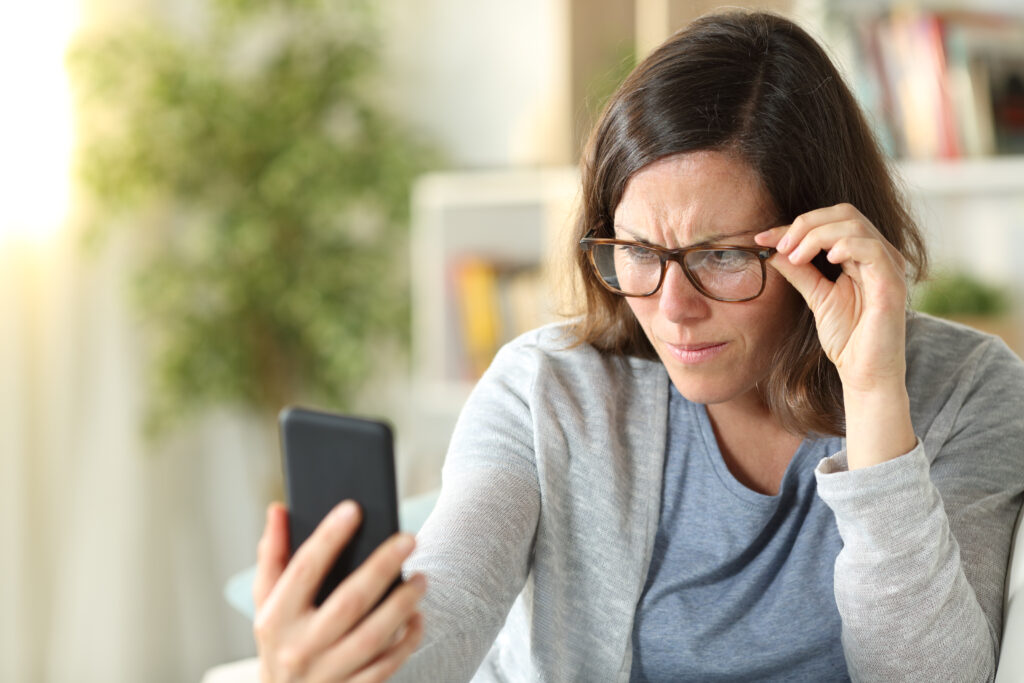
If you have a vision impairment — whether it’s astigmatism, myopia, age-related macular degeneration, or something else — you rely on your prescription eyeglasses to see. However, if you have the wrong prescription or your glasses are not properly tailored to your needs, your eyeglasses can become more of a hindrance than a help. 

Beyond the temporary annoyance of not being able to see clearly, there can be more significant consequences when you wear glasses with the wrong prescription, whether the lenses are outdated or simply incorrect. 

At Wolcott Optical, we understand how important it is to empower our customers to make the right decisions about their vision health. That’s why we wrote this blog post explaining the risks of wearing the wrong prescription, signs your glasses aren’t right for you, and how the right prescription can enhance your life.

What Does ‘Wrong Prescription’ Mean?

Everyone’s vision is different, which means their eyeglasses are different. From the distance between the pupils to additional magnification to the shape of lenses, there are several important measurements that go into an eyeglasses prescription. 

There are a few ways you can wind up with the wrong prescription. One of the most common reasons is vision changes over time. That’s why it’s important to visit your eye doctor regularly and track these changes. 

Another way you can get the wrong prescription is if the measurements are incorrect. No matter how carefully each measurement is taken, mistakes can sometimes happen, whether due to faulty equipment or incorrect documentation. This is one of the reasons why it’s important to stay away from purchasing cheap glasses online and skipping a proper fitting.

Risks of Wearing Glasses with the Wrong Prescription

Risks of Wearing the Wrong Prescription

Wearing the wrong prescription may seem harmless, especially if it’s only in the short term, but there can be serious consequences. 

The immediate effects of wearing glasses with the wrong prescription can include:

  • Eye strain due to overworking the eye muscles
  • Tension headaches from struggling to focus
  • Blurred or distorted vision and difficulty focusing at different distances
  • Nausea or dizziness, which are especially common with significant prescription mismatches

If you continue wearing glasses with the wrong prescription for your needs, you may experience more significant effects, including an increased risk of eye fatigue and chronic discomfort. Your overall eye health may worsen, and issues such as myopia or astigmatism may progress. 

Additionally, your safety will be compromised as you perform daily activities like driving — if you can’t clearly see obstacles in your way, how can you avoid them? Not only does this put yourself at risk, but it’s dangerous for others on the road, as well.

How to Identify If Your Prescription Is Wrong

If you notice any of these symptoms, it’s time for a visit to the eye doctor to make sure your prescription is correct:

  • Persistent headaches or migraines
  • Double vision or difficulty focusing
  • Feeling off-balance or disoriented
  • Eyes feeling tired or dry more often than usual

Preventing the Risks

Risks of Wearing Glasses with the Wrong Prescription

Regular eye exams are crucial for ensuring your prescription is always up to date. It’s best to have checkups with your optometrist every 1–2 years, or more often if you notice changes. 

Precise measurements, from lens strength to pupillary distance, are the key to glasses that fit properly and are tailored to your unique needs. Only an optical professional can take these measurements accurately, so avoid buying cheap glasses online without professional input. 

Investing in quality lenses and frames may come with a higher upfront cost, but it’s the best way to ensure your long-term comfort and eye health. Low-quality glasses may be more susceptible to damage, affecting their ability to properly meet your vision needs. Plus, when you factor in frequent repairs and replacements, cheap glasses aren’t so inexpensive in the long run.

How the Right Prescription Improves Quality of Life

The right eyeglasses prescription can change your life, especially if you have more severe vision problems. Glasses made especially for you can reduce eye strain and fatigue, enhance vision clarity and focus for better productivity, improve your safety as you perform daily activities, and provide comfort and confidence. 

Quality Prescription Eyeglasses from Wolcott Optical

If you’ve been suffering with the wrong prescription, it’s time to take charge. Once you’ve visited your eye doctor, come to Wolcott Optical to explore our comprehensive selection of stylish frames and lenses. We can provide you with the quality solutions you need to enjoy clear vision. 

Filed Under: Eyeglasses

Do Blurry Lights Mean You Have Astigmatism?

The holiday season brings lots of light — both figuratively and literally. From festive outdoor displays to flickering candles to gleaming trees, there’s twinkling lights everywhere you turn.

If you’ve noticed that lights appear blurry or streaky, especially at night, you may wonder if you have a vision problem like astigmatism. While this may be the case, it’s not the only thing that can cause lights to appear hazy. 

At Wolcott Optical, we understand the importance of educating our customers about common vision problems like astigmatism. Our goal is to equip you with the knowledge you need to make informed decisions about which vision solutions would best suit your needs.

If you’re concerned about your eye health this holiday season, keep reading to learn more about the possible causes of blurry lights and what you can do to improve your vision.

What Is Astigmatism?

Astigmatism is a common refractive error caused by irregular curvature of the eye’s cornea or lens. In addition to blurred or distorted vision, it can lead to eye strain, headaches, and difficulty seeing at night.

This common condition can affect people of all ages and often occurs in combination with farsightedness or nearsightedness. It can be present from birth or develop later in life.

Why Lights Appear Blurry or Distorted with Astigmatism

Do Blurry Lights Mean You Have Astigmatism?

When the cornea or lens is irregularly shaped, it prevents light from focusing properly on the retina. This leads to visual distortions, including halos, glare, or streaks around lights. 

People with astigmatism often have difficulty driving at night, as the streetlights and headlights can turn their vision into a bleary mess. They may also experience discomfort in brightly lit environments, including holiday light displays. 

Other Possible Causes of Blurry Lights

While astigmatism is often responsible for blurry lights, it’s not the only possible cause. Other potential causes include:

  • Myopia (nearsightedness)
  • Hyperopia (farsightedness)
  • Dry eyes or cataracts
  • Glare sensitivity unrelated to refractive errors

If you’re struggling with blurry lights, it’s important to visit your eye doctor for an accurate diagnosis. They can assess the curvature of your eyes and determine whether astigmatism or another condition is the cause of your symptoms.

Solutions for Astigmatism

Fortunately, there is hope for individuals with astigmatism. Corrective solutions include:

Do Blurry Lights Mean You Have Astigmatism?

Eyeglasses

Prescription eyeglasses can help correct light refraction onto the retina, counteracting the irregular cornea or lens and alleviating blurriness. They are relatively affordable and easy to adapt to, making them a popular choice.

Over-the-counter reading glasses are not effective for correcting astigmatism. Eyeglasses for astigmatism require special cylindrical lenses rather than spherical ones. Because of this, you’ll see CYL and Axis numbers on your prescription in addition to the standard information. 

Contact Lenses

Toric contact lenses work similarly to cylindrical eyeglass lenses. While standard contact lenses are spherical, toric contact lenses are shaped like a thin slice from the side of a donut. Their unique shape compensates for the eye’s irregular cornea or lens. 

These contacts have a particular orientation, which means they need to stay in place. They may have zones that are thicker or thinner than others, be truncated at the bottom, or ballasted to prevent slipping and maintain visual clarity.

Other Solutions

In severe cases, LASIK or other refractive surgeries may be necessary. Your eye doctor can assess whether surgical intervention is necessary.

Lifestyle adjustments to reduce eye strain can also help. Being mindful about your screen time, avoiding reading in low light, and taking frequent breaks are effective strategies for avoiding eye strain. 

For more information about eye strain, check out these previous blog posts:

  • Do Glasses Help Prevent Eye Strain?
  • Tired Eyes? 6 Useful Things You Can Do To Help Eye Fatigue
  • Are E-Readers Bad for Your Eyesight?
  • Computer Vision Syndrome: How Much Screen Time Is Okay For Your Eyes?
  • Does Reading in the Dark Harm Your Eyes?
  • 5 Eye Problems Linked To Stress
  • Blue Light: The Impact Of Digital Eye Strain

Quality Vision Solutions at Wolcott Optical

At Wolcott Optical, we’re dedicated to helping you find the right vision solutions for astigmatism. With a combination of advanced lens technology and stylish frames, blurry lights and eye strain will be a thing of the past. Imagine how wonderful it will be when you can finally enjoy a dazzling holiday light display as it’s meant to be seen!

Visit our store in Millcreek, Utah, to explore cutting-edge solutions tailored to your unique vision needs.

Filed Under: Eyeglasses

Are E-Readers Bad for Your Eyesight?

In our last blog post, we explored whether reading in the dark truly harms your eyes or if this common belief is nothing more than a myth. Today, we’re continuing the literary theme as we discuss whether e-readers are bad for your eyesight. 

Reading books on e-readers (along with tablets and smartphones) has become increasingly popular over the last decade or so thanks to these devices’ convenience. They’re portable, easy to use, and don’t require you to store shelves upon shelves of books in your home. However, the rise of these digital devices has sparked concern about their impact on eyesight.

Keep reading to learn more about whether e-readers are harmful to your eyes and gain insight into how to protect your vision while enjoying digital reads.

How E-Readers Work

E-readers can be sorted into two broad categories: those with traditional backlit screens and those with e-ink displays. 

LCD and LED Screens

LCD and LED screens consist of thousands of tiny lights. In addition to being used for some e-readers, you can find them on televisions, smartphones, computer monitors, and more. Their fast refresh rate enables smooth video playback, gaming, web browsing, and other tasks that require complex graphics. This makes these screens ideal for multi-functional tablets that do more than just display e-books.

However, because they are backlit, using LCD e-readers comes with all the same concerns as other screens, including eye strain and blue light exposure.

Are E-Readers Bad for Your Eyesight?

E-Ink Displays

E-ink displays, on the other hand, are not backlit. Instead, they use charged particles suspended in a clear fluid to imitate the appearance of ink on paper. To change the image, the device applies an electric field to the display, which moves the particles to new positions. 

Because they do not emit light, e-ink displays are much better for your eyesight than LCD or LED screens. Their effect on the eyes is similar to that of a physical book — while they don’t totally prevent eye strain, they significantly lessen the risk. 

However, e-ink displays are limited in the spectrum of colors they can display, and if you’re trying to read in low-light conditions, you’ll need an external light source. 

Eye Health Concerns with E-Readers

Digital eye strain is the biggest health concern associated with backlit e-readers. Just like when you spend too long staring at your computer or phone, they can cause headaches, dry eyes, blurred vision, and difficulty focusing. Plus, blue light exposure can affect sleep and circadian rhythms, contributing to insomnia and daytime sleepiness.

No matter the method you use to read, focusing on small text for long periods of time can cause eye strain. However, while eye strain can occur even if you’re reading on an e-ink display or perusing a physical book, the symptoms are generally much milder. 

If you’re considering making the switch to an e-reader and are concerned about its effect on your eye health, look for a device with an e-ink display, which is much gentler on the eyes than a backlit display.

Tips for Protecting Your Eyes While Using E-Readers

The good news is that eye strain does not cause long-term damage to your eyesight, especially if you take protective measures when using your e-reader. Here are some expert tips for avoiding eye strain:

  • Follow the 20-20-20 rule: Every 20 minutes, look away from your e-reader at an object 20 feet away for 20 seconds to give your eyes a break.
  • Adjust settings for comfort: Use warm light or night mode on your backlit e-reader whenever possible. Increase the font size and adjust the colors for easier reading.
  • Take regular breaks: Alternate between e-books and paper books.
  • Use blue light-blocking glasses: Blue light-blocking glasses are designed to filter out blue light, which can help prevent eye strain and sleep issues.

Blue Light-Blocking Glasses from Wolcott Optical

If you’re the type of person who tells themselves “Just one more chapter…” over and over again until the wee hours of the morning, consider blue light-blocking glasses from Wolcott Optical. They’ll make using your e-reader more comfortable and reduce the risk of eye strain and insomnia, so you can read to your heart’s content.

Blue light-blocking glasses aren’t our only specialty. Whether you need prescription eyeglasses, reading glasses, contact lenses, or prescription safety glasses, Wolcott Optical is your destination for quality vision solutions. Visit our store in Millcreek, Utah, to browse our comprehensive selection of eyewear and find the perfect fit for you.

Filed Under: Eyeglasses

  • « Previous Page
  • 1
  • …
  • 11
  • 12
  • 13
  • 14
  • 15
  • …
  • 36
  • Next Page »
Eyeglasses Salt Lake City Utah Wolcott Optical

Hours

Wolcott Optical Services, LC
3145 S Highland Dr
Millcreek, UT 84106
801-441-3233
Monday Closed
Tuesday 9:00 AM - 5:30 PM
Wednesday 9:00 AM - 5:30 PM
Thursday 9:00 AM - 5:30 PM
Friday 9:00 AM - 5:30 PM
Saturday 10:00 AM - 3:00 PM
Sunday Closed

Hours

Monday Closed
Tuesday 9:00 AM - 5:30 PM
Wednesday 9:00 AM - 5:30 PM
Thursday 9:00 AM - 5:30 PM
Friday 9:00 AM - 5:30 PM
Saturday 10:00 AM - 3:00 PM
Sunday Closed

SUBSCRIBE & SAVE

Follow Us

fgInstagram - Wolcott Opticalx&
Salt Lake City's Best Award Winner 2021 Gold for Best Eyewear Shop by The Salt Lake Tribune

Medical Disclaimer: Information on this site is not medical advice and is for educational purposes only. No doctor-patient relationship is formed. Click here for Full Legal Disclosures


2026 | Wolcott Optical | All Rights Reserved | Privacy Policy | Terms | Accessibility Statement | Anti-Discrimination Disclaimer | Healthcare Disclaimer | HIPAA Notice of Privacy Practices | XML Sitemap | Sitemap | Site by PDM