Millcreek UT Wolcott Optical

Wolcott Optical

Call Today!

801-441-3233
fgInstagram - Wolcott Opticalx&
  • Eyeglasses
    • Prescription Glasses
    • Bifocals
    • Reading Glasses
    • Lenses
    • Blue Light Blocking Glasses
    • Prescription Safety Glasses
    • Frames
      • Seraphin
      • Elasta
      • Kate Spade
      • Liz Claiborne
      • Etnia Barcelona Frames
      • l.a. Eyeworks
      • David Spencer Eyewear
      • Calvin Klein Frames
      • David Beckham
      • Hugo Boss
      • Nike Frames
      • Oakley Frames
      • Missoni Frames
      • Airlock Titanium Frames
      • Carolina Herrera
      • Fossil
      • Tommy Hilfiger
  • Sunglasses
    • Sunglasses For Men
    • Sunglasses For Women
    • Polarized Sunglasses
    • Prescription Sunglasses
    • Sunglass Brands
      • Maui Jim Sunglasses
      • Kaenon Polarized
      • Ray-Ban
      • Zeal Optics
      • Rudy Projects
      • Spy Optics
      • Oakley Sunglasses
      • Missoni Sunglasses
      • Fossil
  • Contacts
  • About
    • Our Team
    • Blog
  • Contact

Does Reading in the Dark Harm Your Eyes?

Home | Eyeglasses | Page 14

Does Reading in the Dark Harm Your Eyes?

If you were a voracious reader as a child, your parents may have warned you that reading in the dark can harm your eyes. They might have cautioned you against reading late into the night with only the light of the moon to illuminate the pages — you may need to get glasses if you do it too often.

Protecting eye health is important, and understanding the impact of reading in different light conditions can help you reduce your risk of developing vision problems. The topic of reading in the dark has been debated for many years, with many people struggling to separate fact from fiction.

At Wolcott Optical, we understand that you may be afraid of weakening your eyesight or increasing the chance you’ll need corrective lenses. That’s why we’re setting the record straight about reading in the dark. 

In this blog post, we’ll explore whether reading in the dark is truly dangerous for your eyes, how the eyes work in low light, the causes of eye strain, and how to avoid it. 

How the Eyes Work in Low Light

Before we can answer the question of whether reading in the dark harms your eyes, let’s discuss how the eyes work in low-light conditions.

Your eyes automatically adjust to the amount of light they receive. In low light, the iris opens wider, allowing more light in. The rod cells, which are responsible for black and white vision in the darkness, work harder to compensate for the lack of light. This can cause eye strain.

The Effects of Reading in the Dark

Does Reading in the Dark Harm Your Eyes?

While your eyes may strain in low light, this doesn’t necessarily mean you’ll sustain long-term damage. You’re likely to get a headache, feel nauseous, or experience dry eyes if you read for a long time in low-light conditions, but these symptoms are temporary and not likely to cause lasting damage.

The myth that reading in the dark will harm your vision may have originated from early medical assumptions about eye strain. Parents latched onto the concept as they attempted to shield their children from vision problems, and the misconception got passed down over generations. When people experienced eye strain from reading in the dark, it reinforced their belief that their eyesight was deteriorating, which further perpetuated the myth. 

Understanding Eye Strain and its Causes

Reading in the dark isn’t the only cause of eye strain. If you want to reduce eye strain, being aware of its causes and avoiding them when possible is key. 

There are many factors we encounter every day that temporarily affect our vision, from digital screens and bright sunlight to focusing for long periods and incorrect eyeglass or contact lens prescriptions. 

Blue light is one of the most significant sources of eye strain, and it doesn’t just come from phone, computer, or TV screens — it comes from the sun, as well. While exposure to blue light from the sun helps regulate circadian rhythms and improve mood, artificial blue light can impact sleep and cause headaches and fatigue.

Screens have become so pervasive in our lives that digital eye strain has become a significant concern for many people. If you spend too much time on the computer or staring at your phone, you can experience dry and itchy eyes, blurry vision, headaches, and more. Digital eye strain may even contribute to an increased risk of macular degeneration. 

Reducing Eye Strain While Reading

Does Reading in the Dark Harm Your Eyes?

If your goal is to reduce eye strain while reading, follow these tips:

  • Choose appropriate lighting: Avoid reading in the dark or low light. Use sufficient lighting and avoid direct glare.
  • Opt for a physical book rather than an e-reader: While e-readers and tablets may seem like a handy solution for reading in the dark, the blue light they emit can lead to increased eye strain. When possible, turn on a lamp so you can read a physical book instead.
  • Consider reading glasses: Corrective lenses can ease eye strain by bringing the words on the page into focus.
  • Stay hydrated and blink often: Don’t forget to drink plenty of water and blink often to ensure your eyes stay moist. 
  • Follow the 20-20-20 rule: Every 20 minutes, look at something 20 feet away for 20 seconds to give your eyes a break.

Reading Glasses from Wolcott Optical

If you’re struggling with eye strain while getting lost in a book, reading glasses from Wolcott Optical can help. By bringing the text into focus, they can make reading easier and more comfortable. The best part is that you don’t need a prescription! Stop by Wolcott Optical today to explore our wide range of reading glasses and find a solution that works for you.


Filed Under: Eyeglasses

Millcreek UT Eye Doctor Near Me

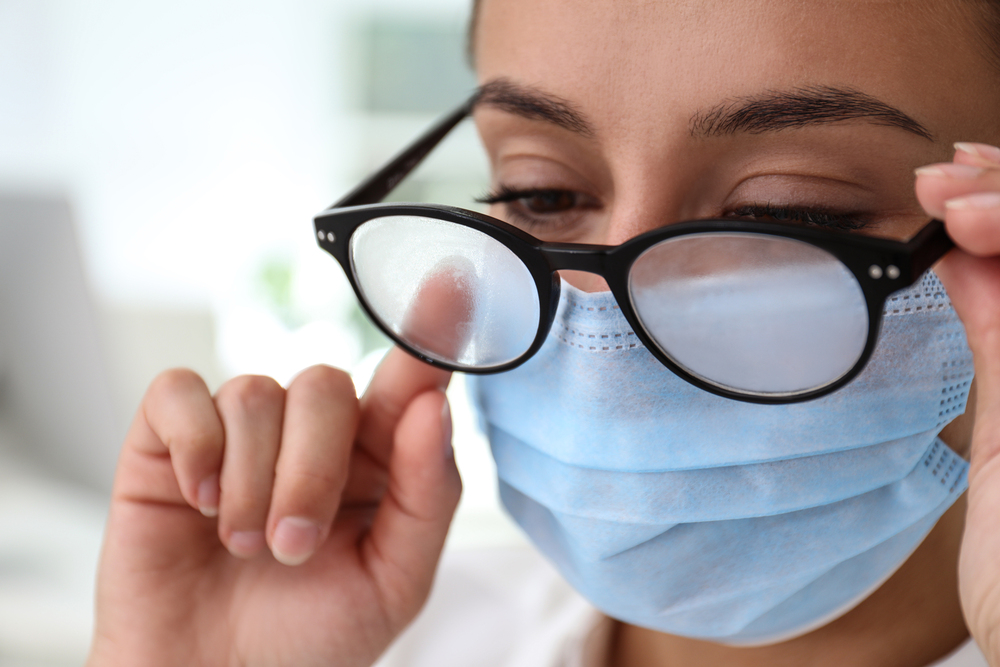
Everyone who’s ever worn eyeglasses — or even sunglasses — understands the frustration that comes when your glasses get all foggy. It happens whenever there’s a temperature difference between the lenses and the air — like when you come back inside the warm house after spending time outside in the winter cold, lean over a pot of boiling water on the stove, drink a hot beverage, exercise, or even wear a face mask. 

At Wolcott Optical, we understand the importance of clear vision and functional eyeglasses. That’s why we’ve compiled this handy guide explaining the science behind condensation and some expert tips to help you prevent fogging. 

The Science Behind Condensation

Your glasses fog up for the same reason your windows do: condensation. Warm air is typically more humid than cold air, which means that whenever the two meet, there’s likely to be condensation. 

Condensation occurs when the cold glass of the lenses comes in contact with warmer, more humid air, causing the water molecules in the air to cool down and become a liquid. These tiny droplets of water are what makes your glasses fog up. 

For example, when you venture outside on a winter walk, the lenses of your glasses get colder. When you step back inside, the warm air causes condensation to form. The same thing happens when you wear a face mask — your warm breath escapes out of the top of the mask, right where your glasses are. 

Ways to Prevent Fogging

Condensation on your glasses is undoubtedly a nuisance, especially in moments when it’s critical to be able to see clearly. No one wants to miss a goal because their glasses fogged up during the soccer game or have to constantly wipe their lenses while cooking dinner. 

Fortunately, there are some easy steps you can take to help prevent your glasses from fogging up. With the right techniques, you can enjoy clear vision and enjoy your favorite activities without annoying interruptions.

How to Clean Your Glasses Without Damaging Them

Washing Your Glasses

The simplest prevention method is washing your glasses with soap and water, then letting them air dry. This leaves a thin film on the surface of the lenses that resists fog. Anti-fog wipes and sprays work the same way, creating a protective layer on the lenses to minimize condensation. 

If you decide to wash your glasses, just be sure you’re doing it properly so you don’t accidentally damage them. Improper washing can scratch the lenses, making condensation the least of your worries. Follow the tips outlined in our helpful guide, “How to Clean Your Glasses Without Damaging Them”.

Proper Storage

When you’re not wearing your glasses, be sure to store them properly. Invest in a quality case that will keep heat and moisture out. Not only can this help prevent fogging, but it will also keep them free of dirt, dust, and smudges, keeping them in excellent condition for years to come.

foggy glasses

Mindful Masking

If you need to wear a face mask with your glasses, ensure it fits snugly around your nose to prevent warm air from escaping upwards. Opt for a mask with an adjustable nose bridge for a better seal. You can also try placing a folded tissue at the top of the mask to absorb moisture from your breath. 

Exercising with Care

While exercising or participating in sports, wear a headband or sweatband to reduce moisture accumulation near the glasses. Consider getting some sports-specific glasses with special ventilation features designed to improve airflow and minimize fogging. If you’re a skier, swimmer, or snowboarder, you can get prescription goggles that don’t just help you see better, but also prevent condensation. 

Specialized Products

For a more permanent solution, you can buy glasses with special anti-fog coatings or treatments. There are also lens inserts and attachable films available that prevent condensation buildup. If all else fails and fogging continues to be a frequent issue, consider contact lenses. 

Upgrade Your Glasses This Winter with Wolcott Optical

At Wolcott Optical, we’re proud to be experts in all things eyeglasses. Whether you want to learn more about specialty lens coatings, get some advice on which anti-fog products to try, or just want a new look, we can help you find the quality vision solutions you deserve. 

Come visit us in Millcreek, Utah, to browse our comprehensive selection of lenses and frames that aren’t just stylish, but will make your life easier. 

Filed Under: Eyeglasses

How to Prevent Your Glasses from Causing Acne

Glasses are an incredible tool, allowing you to see clearly while expressing your personal style. However, glasses can also come with setbacks — namely, acne. With plastic or metal frames against your face all day, you may get annoying blemishes on the bridge of your nose, between your eyebrows, or near your ears.

If you find your skin constantly breaking out in any of these places, keep reading to find out how to identify the problem, learn why it happens, and explore prevention strategies to help you maintain clear, smooth skin.

Why Do Glasses Cause Acne?

The type of blemishes typically caused by glasses is known as acne mechanica, which occurs due to pressure and friction on the skin. Because the glasses push down on your skin and prevent skin cells from shedding, the dead skin cells clog your pores and lead to acne. 

The friction from constantly adjusting your glasses can also contribute to acne formation, as can dirty, oily, or bacteria-covered frames. People with especially oily skin or who wear makeup are particularly susceptible to skin blemishes.

Related Issues

While eyeglasses often cause acne, it’s not the only skin condition associated with wearing glasses. While uncommon, some glasses-wearers experience acanthoma fissuratum, a condition characterized by benign lesions and areas of thickening where the glasses frames press on the skin — typically behind the ears or on the nose bridge. 

If your blemishes seem out of the ordinary, it’s best to consult with a dermatologist, as the issue could be something besides run-of-the-mill acne. 

Preventing Glasses-Related Acne

While glasses-related acne can be annoying, embarrassing, and even painful, there are steps you can take to get breakouts under control and prevent new blemishes from emerging. With a little extra care, you can maintain clear skin, even with eyeglasses.

How to Prevent Your Glasses from Causing Acne

Get Your Glasses Adjusted

If your glasses don’t fit quite right, they’re more likely to cause acne. Constantly pushing your glasses up your nose causes friction, and points that put excessive pressure on your skin are a recipe for acne mechanica. 

The best way to fix these fit issues is by getting your glasses adjusted by a professional. You may be tempted to try to adjust them yourself; however, this is not a great idea. Improper techniques can damage your glasses, causing them to fit worse than before. Leave adjustments to the experts.

Clean Your Glasses

As you wear your glasses, they collect dirt, oils, and bacteria — all things you want to avoid if your goal is to prevent acne. Make sure you keep your glasses clean to avoid clogged pores.

While soft, microfiber cloths are great for removing smudges from the lenses, a quick wipe every once in a while isn’t enough. Follow these steps to thoroughly clean your glasses without damaging them:

  1. Wash your hands with soap and water to remove dirt, oil, and lotion that could transfer to the glasses.
  2. Rinse the glasses gently with lukewarm — not hot — water. Hot water can warp some types of frames.
  3. Use a small drop of dish soap and your fingers to carefully wash all surfaces, including the earpieces and nose pads. Don’t use household cleaners, as they can damage lens coatings.
  4. Thoroughly rinse the glasses to remove all traces of soap.
  5. Dry the glasses with a lint-free cloth.

In between washings, you can use a basic alcohol wipe to clean the parts of the frames that touch your face. This should be done every night after wearing your glasses.

How to Prevent Your Glasses from Causing Acne

Use Over-the-Counter Acne Products

In addition to taking care of your glasses, it’s important to take care of your skin. If you wear makeup, make sure you use a makeup remover before cleansing your face at night. After removing your makeup, use an over-the-counter face wash specially formulated for acne-prone skin. Look for cleansers with salicylic acid, which helps control oil production. A benzoyl peroxide spot treatment can also help minimize blemishes.

For product suggestions tailored to your specific skin type and unique needs, talk to a dermatologist.

Take Breaks

If possible, take periodic breaks from wearing your glasses to relieve the pressure on your skin. Even a few minutes here and there can make a big difference.

Glasses for Everyone at Wolcott Optical

We have the perfect eyeglasses for you at Wolcott Optical. Whatever frames you pick, we’ll ensure they fit your face perfectly, helping minimize skin conditions like acne. Plus, with a wide selection of designer styles, you can face the world with confidence along with achieving clear vision. 

Filed Under: Eyeglasses

  • « Previous Page
  • 1
  • …
  • 12
  • 13
  • 14
  • 15
  • 16
  • …
  • 36
  • Next Page »
Eyeglasses Salt Lake City Utah Wolcott Optical

Hours

Wolcott Optical Services, LC
3145 S Highland Dr
Millcreek, UT 84106
801-441-3233
Monday Closed
Tuesday 9:00 AM - 5:30 PM
Wednesday 9:00 AM - 5:30 PM
Thursday 9:00 AM - 5:30 PM
Friday 9:00 AM - 5:30 PM
Saturday 10:00 AM - 3:00 PM
Sunday Closed

Hours

Monday Closed
Tuesday 9:00 AM - 5:30 PM
Wednesday 9:00 AM - 5:30 PM
Thursday 9:00 AM - 5:30 PM
Friday 9:00 AM - 5:30 PM
Saturday 10:00 AM - 3:00 PM
Sunday Closed

SUBSCRIBE & SAVE

Follow Us

fgInstagram - Wolcott Opticalx&
Salt Lake City's Best Award Winner 2021 Gold for Best Eyewear Shop by The Salt Lake Tribune

Medical Disclaimer: Information on this site is not medical advice and is for educational purposes only. No doctor-patient relationship is formed. Click here for Full Legal Disclosures


2026 | Wolcott Optical | All Rights Reserved | Privacy Policy | Terms | Accessibility Statement | Anti-Discrimination Disclaimer | Healthcare Disclaimer | HIPAA Notice of Privacy Practices | XML Sitemap | Sitemap | Site by PDM