

Millcreek UT Wolcott Optical

Wolcott Optical

Call Today!

801-441-3233
fgInstagram - Wolcott Opticalx&
  • Eyeglasses
    • Prescription Glasses
    • Bifocals
    • Reading Glasses
    • Lenses
    • Blue Light Blocking Glasses
    • Prescription Safety Glasses
    • Frames
      • Seraphin
      • Elasta
      • Kate Spade
      • Liz Claiborne
      • Etnia Barcelona Frames
      • l.a. Eyeworks
      • David Spencer Eyewear
      • Calvin Klein Frames
      • David Beckham
      • Hugo Boss
      • Nike Frames
      • Oakley Frames
      • Missoni Frames
      • Airlock Titanium Frames
      • Carolina Herrera
      • Fossil
      • Tommy Hilfiger
  • Sunglasses
    • Sunglasses For Men
    • Sunglasses For Women
    • Polarized Sunglasses
    • Prescription Sunglasses
    • Sunglass Brands
      • Maui Jim Sunglasses
      • Kaenon Polarized
      • Ray-Ban
      • Zeal Optics
      • Rudy Projects
      • Spy Optics
      • Oakley Sunglasses
      • Missoni Sunglasses
      • Fossil
  • Contacts
  • About
    • Our Team
    • Blog
  • Contact

Progressive Lenses vs. Bifocals: Which is Right for You?

Home | Eyeglasses | Page 16

Progressive Lenses vs. Bifocals: Which is Right for You?

If you’ve been diagnosed with presbyopia, a common age-related condition that affects near vision, you’re faced with the difficult decision of whether to wear progressive lenses or bifocals. Both are designed to help people with presbyopia, but they do so in different ways. 

Keep reading to learn more about the differences between progressive lenses and bifocals, the benefits of each option, and how to determine which is best for you. 

Understanding Presbyopia

As individuals reach their 40s or 50s, the lens inside the eye hardens, making it difficult to focus on close objects. This condition is known as presbyopia, and it makes using a smartphone, reading small print, or doing anything that requires near vision challenging without corrective lenses.

Those without astigmatism, nearsightedness, or farsightedness can typically use prescription or non-prescription reading glasses to help with presbyopia. Others may require additional assistance in the form of bifocals, progressive lenses, or specialized contacts.

What Are Bifocals?
Progressive Lenses vs. Bifocals: Which is Right for You?

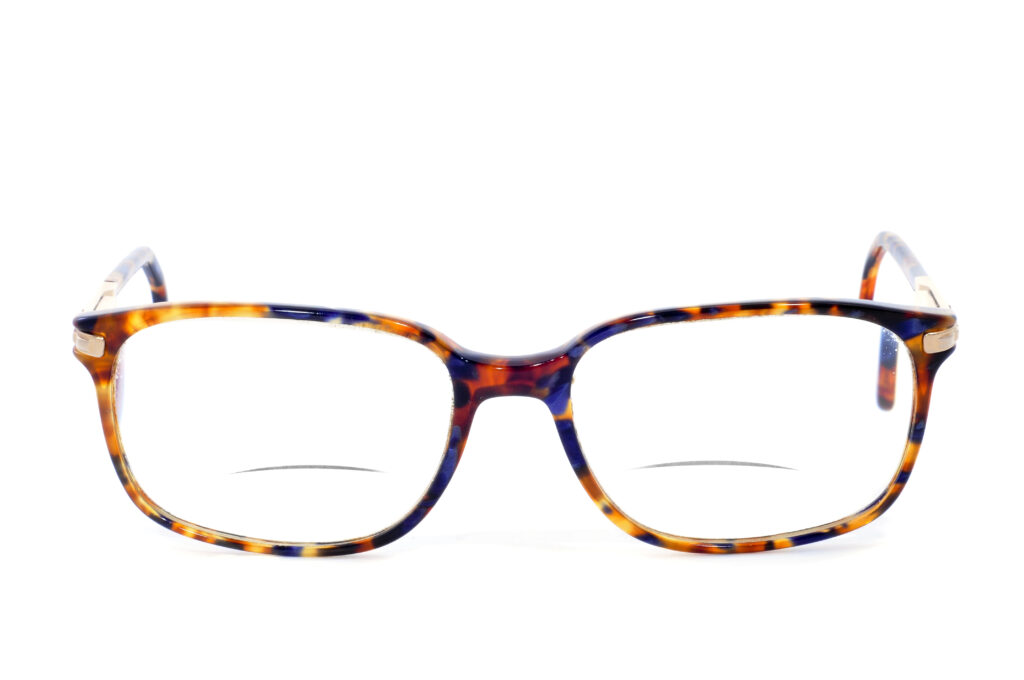
Invented in the late 18th century by Benjamin Franklin, bifocals have been the standard lenses for presbyopia for over two hundred years. They feature two distinct prescriptions — the upper part is designed to enhance near vision, and the lower part is for seeing things far away. 

One of the most significant benefits of bifocals is the clear separation of vision zones. They create a distinct division between the two areas, making it easier to adjust your focus from near to distant objects. However, some people experience discomfort or dizziness due to the abrupt shift between the two zones. Plus, the visible line down the middle of the lenses can be a cosmetic concern.

Another advantage of bifocals is that they tend to be less expensive than progressive lenses. Plus, they are more convenient than carrying around two pairs of glasses for tasks that require different types of vision. For those who prefer a straightforward, cost-effective approach to correcting presbyopia, bifocals are an ideal solution.

What Are Progressive Lenses?

Progressive lenses offer a more modern solution to presbyopia. In contrast to bifocals’ distinct separation between vision zones, progressives offer a smooth, gradual transition between multiple lens powers. This allows them to cater to near, intermediate, and distance vision all in one lens without creating a harsh line. 

The biggest advantage of progressive lenses is their gradual change in lens power. This creates a more natural transition between viewing distances and mimics the eye’s natural way of seeing. Progressive lenses are ideal for activities that require clear vision at multiple distances, such as driving. 

In addition to providing functional benefits, progressives look like regular, single-vision lenses, alleviating the cosmetic concerns associated with bifocals.

Despite these advantages, progressive lenses may take longer to adapt to. Some people experience peripheral vision distortion when they first start wearing progressives, although these issues usually subside after a while as the brain adjusts to the new lenses.

Choosing Between Progressive Lenses and Bifocals

Progressive Lenses vs. Bifocals: Which is Right for You?

The choice between bifocals and progressive lenses ultimately depends on your vision needs, lifestyle, budget, and personal preferences. 

Consider bifocals if you need correction for near and distance vision without intermediate vision, prefer distinct vision zones, and are looking for a more budget-friendly option. Progressive lenses are better for seeing objects at intermediate distances and are ideal for those who prefer a more modern, seamless look. They are an excellent choice if you’re willing to spend a bit extra on additional comfort and aesthetic benefits.

Getting the Right Fit

Regardless of what type of lens you choose, it’s vital to have your glasses properly fitted by a professional. At Wolcott Optical, we offer personalized fittings to ensure your lenses meet your specific needs. Our experts will help you select the best lenses for your lifestyle, helping you achieve maximum comfort and clarity.

Optical Solutions for Every Lifestyle

Clear vision is crucial for your quality of life, so investing in the right pair of glasses is a decision worth making with care. Both bifocals and progressive lenses can be valuable solutions for managing presbyopia. By understanding the differences between these two options and the benefits and drawbacks of each, you can make an informed decision that aligns with your needs and lifestyle. 

Visit Wolcott Optical in Millcreek, Utah, to try different lenses and frames and receive expert advice to help you make the best choice for your optical health. Let us help you see the world more clearly and comfortably with the perfect glasses tailored just for you. 

Filed Under: Eyeglasses

Nourish Your Vision: 7 Best Foods for Eye Health

In our world dominated by screens and stress, maintaining good eye health has never been more essential. From the moment we wake up in the morning to the time we go to bed at night, our eyes are constantly hard at work. While proper eyewear can significantly aid in protecting your vision, one crucial aspect that is often overlooked is the crucial role of nutrition in supporting optimal eye health. 

At Wolcott Optical, we believe that taking proper care of your eyes goes beyond selecting the right pair of glasses or contacts. Supporting eye health also involves incorporating nutrient-rich foods into your diet that have been shown to nourish and protect vision for a lifetime. Here’s a breakdown of some of the best foods you can eat to promote greater eye health.

#1. Leafy Greens

Leafy green vegetables like kale, spinach, and collard greens contain lutein and zeaxanthin, powerful antioxidants that protect your eyes against the harmful effects of UV radiation, age-related macular degeneration (AMD), and cataracts. Get creative with it — try adding a handful of greens to your favorite foods, including smoothies, salads, stir-fries, pasta, or pizza. 

#2. Foods Containing Omega-3 Fatty Acids

Omega-3 fatty acids are found in foods like chia seeds, walnuts, and flaxseeds, along with fatty fish like mackerel, salmon, and tuna. These healthy fats are integral for maintaining eye health, contributing to the structural integrity of the eyes’ cell membranes. They may also help prevent dry eyes and macular degeneration. 

#3. Citrus Fruits and Berries

Nourish Your Vision: 7 Best Foods for Eye Health

Strawberries, blueberries, oranges, and grapefruits aren’t just delicious—they’re also packed with vitamin C. A potent antioxidant known to support eye health, vitamin C helps maintain the blood vessels in the eyes and may reduce your risk of developing cataracts. Snack on these colorful fruits throughout the day, incorporate them into your morning smoothies, or enjoy some fresh-squeezed juice for a refreshing burst of flavor and nutrition. 

#4. Carrots and Sweet Potatoes

Do you remember your parents telling you to eat your carrots because they can help you see better? That wasn’t just a desperate ploy to get you to finish your dinner—there’s actually some truth to the idea that carrots support eye health. 

Carrots and sweet potatoes are both rich in beta-carotene, which gives them their orange color. Our bodies turn beta-carotene into vitamin A, which is essential for good vision, healthy skin, and a strong immune system. Eating foods rich in beta-carotene and vitamin A helps maintain cornea health and supports low-light and color vision.

#5. Nuts and Seeds

Foods containing vitamin E and zinc, such as many varieties of nuts and seeds, play vital roles in promoting eye health. Like vitamin C, lutein, and zeaxanthin, vitamin E is an antioxidant that helps protect eye cells from damage caused by free radicals. Zinc is involved in the metabolism of vitamin A and contributes to healthy retinas. Grab a handful of peanuts, pumpkin seeds, almonds, or sunflower seeds for a quick, convenient snack that doubles as a vision boost.

#6. Eggs

When it comes to eye health, the versatile egg is a nutritional powerhouse. Eggs are rich in four previously mentioned nutrients crucial for maintaining good vision — lutein, zeaxanthin, vitamin E, and zinc. Plus, they contain cysteine, an amino acid used to produce glutathione, a mighty antioxidant that works to protect the eyes from oxidative stress. Whether scrambled or boiled, on toast or in a breakfast burrito, this food can significantly benefit your eye health. 

#7. Whole Grains

Rather than refined grains, seek whole grains like quinoa, oats, and brown rice to support your vision. Whole grains contain zinc, niacin, and vitamin E, all of which contribute to overall eye health. Additionally, they have a low glycemic index, which may help reduce your risk of AMD. Start your morning with a bowl of oatmeal or switch to whole-grain bread and pasta to reap the benefits of these nutrients.

age-related vision changes Millcreek UT

Support Your Vision at Wolcott Optical

Whether you have 20/20 vision or struggle with a condition affecting your vision, incorporating these nutrient-rich foods into your diet is an excellent way to preserve your precious eyesight and keep your eyes healthy for years to come. 

At Wolcott Optical, we are passionate about helping you see the world more clearly. If you’re ready to start your journey toward enhanced eye health, come visit us in Millcreek, Utah, to explore our endless array of stylish eyewear options, including prescription glasses, contacts, blue light glasses, and more. 

Filed Under: Eyeglasses

If you’ve played video games until the wee hours of the night, you’ve probably experienced a feeling of regret when you wake up the next morning (or afternoon). In addition to feelings of grogginess, late-night gaming sessions can cause itchy or dry eyes, blurry vision, and headaches. 

These symptoms are not exclusive to hardcore gamers; even casual enjoyment of video games can lead to a condition known as digital eye strain. To remedy this, retailers have introduced gaming glasses, which claim to regulate sleep-wake cycles, reduce eye strain, minimize glare, and allow you to play to your heart’s content.

But are these gaming glasses really worth it? Do they actually deliver on their promises? Are they really any different than regular blue light-blocking glasses? Keep reading to find out.

The Dangers of Digital Eye Strain

Do Gaming Glasses Actually Work?

Before getting into the nuances of gaming glasses, let’s talk about the issues they aim to correct, including digital eye strain. This condition, also known as computer vision syndrome, can happen to anyone who stares at a screen for too long, whether it’s typing on a computer at work, scrolling through social media on your phone, or binge-watching your favorite TV show. However, gamers are often more susceptible to this condition because of the intense focus required to navigate the game successfully.

The symptoms of digital eye strain include:

  • Itchy, watery eyes
  • Dry, red eyes
  • Tiredness and fatigue
  • Trouble focusing
  • Blurred or double vision
  • Headaches
  • Disrupted sleep
  • Reduced productivity

While most of these symptoms are temporary and lessen once you stop using your device, they can continue for longer periods of time, especially if you have uncorrected vision problems like farsightedness or presbyopia. 

The Effects of Blue Light

Do Gaming Glasses Actually Work?

So, what causes digital eye strain? What makes looking at a screen different than looking at anything else? The answer lies in exposure to blue light, which is emitted by phones, computer monitors, and TV screens. While it’s also found in sunlight, blue light exposure from digital devices is particularly concerning because of the screens’ close proximity to our eyes and the length of time we spend using our devices.

Blue light is on the higher-frequency end of the visible light spectrum, which means it contains higher amounts of energy. Our eyes cannot effectively filter blue light, which means that more of it passes through to the retina. Although blue light promotes alertness, elevates mood, and regulates the circadian rhythm, excessive exposure can have adverse effects, contributing to digital eye strain and sleep problems.

Too much blue light exposure at night — a common time for gaming — can disrupt your circadian rhythm. Blue light tells your body that it’s daytime, keeping you awake and focused. As the sun goes down and the light dims, your body knows it’s time to start producing melatonin, the hormone that helps you fall asleep. 

When your eyes are exposed to blue light late at night, your body doesn’t produce the melatonin it needs, making it hard for you to fall asleep and stay asleep. Without sufficient sleep, your eyes don’t have the chance to recover from digital eye strain, exacerbating your symptoms.

Gaming Glasses vs. Blue Light Glasses

Do Gaming Glasses Actually Work?

Gaming glasses are designed to alleviate some of the negative effects of late-night video game sessions. However, they’re not much different from standard blue light-blocking lenses. 

Gaming glasses usually have a yellowish tint to the lenses, which doesn’t actually contribute much to their effectiveness. They often have anti-glare properties, as well, but this feature isn’t exclusive to gaming glasses — special coatings are commonly added to prescription glasses to reduce glare.

Rather than shelling out extra cash for specialized gaming glasses, you’re better off opting for more versatile blue light glasses. If you need prescription lenses, talk to your optometrist about adding a blue light filter or an anti-glare coating to your next pair of eyeglasses. 

Tips to Protect Your Eyes While Gaming

In addition to blue light exposure, factors like lighting, glare, viewing distance, posture, and underlying vision problems can also negatively affect your vision when gaming. To learn more about how to protect your eyes during screen time, check out these blog posts:

  • Do Glasses Help Prevent Eye Strain?
  • Computer Vision Syndrome: How Much Screen Time Is Okay For Your Eyes?
  • Tired Eyes? 6 Useful Things You Can Do To Help Eye Fatigue
  • Blue Light: The Impact Of Digital Eye Strain

Personalized Solutions at Wolcott Optical

If you’re not sure whether blue light filters, anti-glare coatings, or gaming glasses are a good fit for you, don’t hesitate to reach out to the experts at Wolcott Optical. We have helped countless individuals find effective solutions that allow them to see the world more clearly. Come visit us in Millcreek, Utah, to explore our wide range of options.

Filed Under: Eyeglasses, Lenses

  • « Previous Page
  • 1
  • …
  • 14
  • 15
  • 16
  • 17
  • 18
  • …
  • 36
  • Next Page »
Eyeglasses Salt Lake City Utah Wolcott Optical

Hours

Wolcott Optical Services, LC
3145 S Highland Dr
Millcreek, UT 84106
801-441-3233
Monday Closed
Tuesday 9:00 AM - 5:30 PM
Wednesday 9:00 AM - 5:30 PM
Thursday 9:00 AM - 5:30 PM
Friday 9:00 AM - 5:30 PM
Saturday 10:00 AM - 3:00 PM
Sunday Closed

Hours

Monday Closed
Tuesday 9:00 AM - 5:30 PM
Wednesday 9:00 AM - 5:30 PM
Thursday 9:00 AM - 5:30 PM
Friday 9:00 AM - 5:30 PM
Saturday 10:00 AM - 3:00 PM
Sunday Closed

SUBSCRIBE & SAVE

Follow Us

fgInstagram - Wolcott Opticalx&
Salt Lake City's Best Award Winner 2021 Gold for Best Eyewear Shop by The Salt Lake Tribune

Medical Disclaimer: Information on this site is not medical advice and is for educational purposes only. No doctor-patient relationship is formed. Click here for Full Legal Disclosures


2026 | Wolcott Optical | All Rights Reserved | Privacy Policy | Terms | Accessibility Statement | Anti-Discrimination Disclaimer | Healthcare Disclaimer | HIPAA Notice of Privacy Practices | XML Sitemap | Sitemap | Site by PDM