Millcreek UT Wolcott Optical

Wolcott Optical

Call Today!

801-441-3233
fgInstagram - Wolcott Opticalx&
  • Eyeglasses
    • Prescription Glasses
    • Bifocals
    • Reading Glasses
    • Lenses
    • Blue Light Blocking Glasses
    • Prescription Safety Glasses
    • Frames
      • Seraphin
      • Elasta
      • Kate Spade
      • Liz Claiborne
      • Etnia Barcelona Frames
      • l.a. Eyeworks
      • David Spencer Eyewear
      • Calvin Klein Frames
      • David Beckham
      • Hugo Boss
      • Nike Frames
      • Oakley Frames
      • Missoni Frames
      • Airlock Titanium Frames
      • Carolina Herrera
      • Fossil
      • Tommy Hilfiger
  • Sunglasses
    • Sunglasses For Men
    • Sunglasses For Women
    • Polarized Sunglasses
    • Prescription Sunglasses
    • Sunglass Brands
      • Maui Jim Sunglasses
      • Kaenon Polarized
      • Ray-Ban
      • Zeal Optics
      • Rudy Projects
      • Spy Optics
      • Oakley Sunglasses
      • Missoni Sunglasses
      • Fossil
  • Contacts
  • About
    • Our Team
    • Blog
  • Contact

8 Signs It’s Time for a New Prescription

Home | Eyeglasses | Page 6

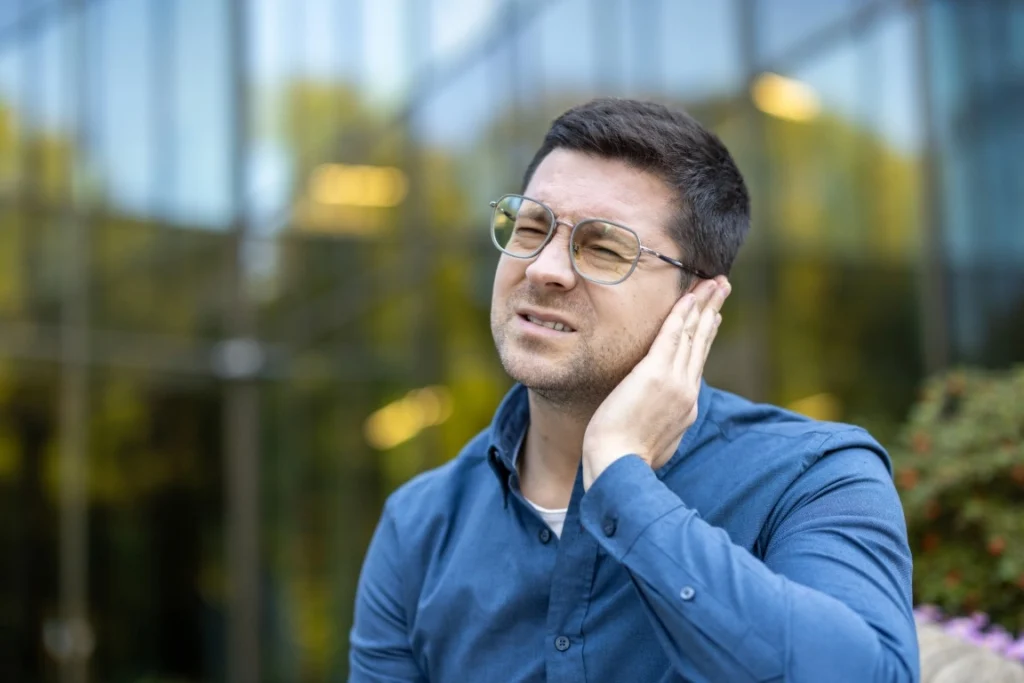
8 Signs It’s Time for a New Prescription

As you go throughout your life, your eyesight will continue to change, sometimes subtly, sometimes noticeably. Whether you wear glasses or contact lenses, it’s important to stay up to date with your prescription in order to maintain clear vision and prevent unnecessary eye strain. But how do you know when it’s time to schedule an exam? Here are some common signs that your prescription may need to be updated.

1. Blurry Vision

One of the most common signs of an outdated prescription is blurry vision. If objects appear fuzzy or out of focus, especially when wearing your current glasses or contacts, or if you feel like you’re squinting more than usual to read road signs or your phone, you likely need to update your prescription. 

2. Frequent Headaches

When your eyes have to work overtime to compensate for outdated lenses, you may have frequent tension headaches, particularly after prolonged periods of close-up work or reading. These headaches will usually occur around your temples or behind your eyes. 

You may also feel nauseous or dizzy from wearing glasses or contacts with the wrong prescription. 

3. Eye Strain or Fatigue

If your eyes feel tired after only a short period of reading or screen time or if you notice burning, aching, or tearing, you may need to get a stronger or adjusted prescription. This is a sign your eye muscles are working overtime. 

4. Trouble Seeing at Night

Difficulty seeing or experiencing glare in low light or while driving at night can signal changes in your vision that your current prescription doesn’t address.

8 Signs It’s Time for a New Prescriptions

5. Double Vision or Seeing Halos

Seeing double or noticing halos around lights, especially at night, could mean your lenses are no longer properly correcting your vision. You may need glasses with special prism lenses to correct the misalignment of your eyes. 

6. Your Glasses or Contacts Feel “Off”

If your eyewear suddenly feels uncomfortable, or if things just don’t look as crisp as they used to, your prescription may have changed.

7. You’re Squinting or Holding Things Close

If you catch yourself holding books or your phone at unusual angles or distances just to see clearly, you should schedule an eye checkup. If you find yourself only squinting in bright environments, you may want to invest in a good pair of prescription sunglasses. 

8. It’s Been Over a Year Since Your Last Eye Exam

Even if you feel fine and can see well when wearing your glasses or contacts, your vision can change gradually without obvious symptoms. Annual eye exams help catch issues early and keep your prescription accurate. 

Other Reasons to Get New Glasses

Even if you don’t need a new prescription, you may want to get new glasses if:

Your Glasses are Scratched or Difficult to Clean — If your glasses always look dirty no matter how much you clean them, the lenses may be damaged or covered in tiny scratches. This can cause a cloudiness that is difficult to clean and see through. Replacing your lenses can give you back clear vision. 

The Frames are Bent — Bent frames not only make your glasses feel uncomfortable and look off while on but they can also distort your vision because of the incorrect angle. You can try to adjust them, but if they still seem off, you may want to invest in a new pair of glasses. 

You’re in a New Career — If you change careers, you may want to invest in new glasses. If you will be working at a computer, you could benefit from a blue-light blocking coating, or if you will be working in a physical job, such as construction, you may want scratch-resistant lenses. 

You Want an Upgrade — Glasses and contact technology continues to evolve, and you may want to take advantage of new contact materials or lens coatings. Silicone hydrogel contacts allow more oxygen to reach the eye while anti-reflective glasses coating cuts down on glare. 

You Want a New Style — Not fond of your current glasses? It may be time to invest in a new style that will help you feel more like yourself. You wear your glasses every day; it’s important to feel good in them. 

8 Signs It’s Time for a New Prescriptions

Protect Your Eyes — Stay Up to Date with Your Prescription 

Keeping your prescription up to date not only helps you see better but also protects your overall eye health. If you’re experiencing any blurry vision, headaches, or eye strain, or if you haven’t been to the eye doctor in years, take the time to schedule an appointment. Remember, clear vision and healthy eyes are important.

Filed Under: Eyeglasses

Protect Your Vision: When Not to Wear Contact Lenses

Contact lenses offer convenience and clear vision, and best of all, they free you from glasses. However, they may not always be the best choice in certain situations. Whether you’re a seasoned contact wearer or just starting out, there are times when you should take a break from your lenses to protect your eyes and overall health. Here’s when to skip the contacts and opt for your glasses instead. 

When You’re Sick

If you’re dealing with a cold, flu, or eye infection, you should reach for your glasses instead of your contacts. Illness can increase the risk of eye irritation and infection. And if you’re sick, you may touch your eyes more frequently — especially with contaminated hands — which can introduce bacteria or viruses that lead to conjunctivitis (pink eye) or other issues. Tears and secretions from sick eyes can also contaminate contact lenses and their case, potentially leading to further infection. 

Stick to glasses, wash your hands frequently, and consider disposing of your current lenses. 

If Your Eyes Are Red or Irritated

Redness, itchiness, dryness, or a gritty sensation can all indicate a problem either caused or exacerbated by your contact lenses. And wearing lenses over already irritated eyes can lead to corneal damage or serious infections. 

Listen to your eyes; if they feel uncomfortable, give them a rest from contacts. If they continue to feel itchy or irritated, you may need to speak to your doctor. 

During Sleep (Unless Prescribed)

Don’t wear your contacts while sleeping, unless they are approved for overnight wear. This practice can reduce oxygen flow to your eyes and increase the risk of infection. Even a short nap can cause problems if your lenses aren’t designed for extended wear. No matter how tired you are, take the time to remove daily lenses before bed. 

In general, you shouldn’t wear your contact lenses longer than the recommended duration, as it can lead to discomfort, dryness, and potential corneal damage. 

When Swimming or Showering

Water, whether from pools, hot tubs, lakes, or even the shower, can introduce harmful microorganisms to your lenses. One of the most dangerous is Acanthamoeba, which can cause serious eye infections that are difficult to treat. To protect your eyes, remove your lenses before water activities, and ask an eye care professional about prescription goggles. 

If You’re Experiencing Allergies

Protect Your Vision: When Not to Wear Contact Lenses

Allergy season can wreak havoc on your contacts and make you miserable. Pollen, dust, and other allergens can stick to your lenses, causing redness, itching, and blurry vision. Consider switching to daily disposable lenses or glasses during the height of allergy season or if you’ll be in a dusty or smoky environment  — your eyes will thank you for the break. 

Visit your doctor if you’re experiencing severe allergic reactions to your contact lens materials or cleaning solutions. 

If You Have Dry Eyes

If you have dry eye syndrome or experience excessive dryness while wearing lenses, it’s best to avoid extended wear and consult with your doctor for solutions. Because contact lenses sit directly on the eye, a person with severe, untreated dry eye may not be able to wear contacts. 

When Your Lenses Are Damaged or Expired

Never wear lenses that are torn, scratched, or past their expiration date. Damaged lenses can scratch your cornea, and expired lenses may not be sterile, raising the risk of infection. Always inspect your lenses before wearing them and follow replacement schedules. 

When You Can’t Properly Clean or Store Them

If you’re traveling, out late, or don’t have access to fresh solution or a clean case, consider wearing glasses. Improper lens hygiene is one of the leading causes of contact lens-related infections. If you aren’t sure about the condition of your lenses, it’s better to wear glasses. 

Additional Contact Wearing Tips 

  • Don’t share lenses or cases with anyone. 
  • Avoid touching the top of the solution bottle with your finger, lens, or any other object. 
  • Don’t use tap water or put your contacts in your mouth to moisten them. 
  • Only use tweezers to remove your lenses from their case if directed by your doctor.

Be Smart When it Comes to Wearing Contacts

Protect Your Vision: When Not to Wear Contact Lenses

While contact lenses offer convenience and clear vision, they may not work in every situation. From illness and allergies to swimming and sleeping, it’s important to know when you need to give your eyes a break. When in doubt, play it safe and switch to your glasses. If you notice any discomfort or changes in your vision, consult an eye care professional. Remember, take care of your eyes, they will thank you.

Filed Under: Eyeglasses

Are Your Contacts Inside Out? Here's How to Know

Switching from glasses to contact lenses can be a game-changer when it comes to vision and convenience — but only if they’re worn correctly. One common issue lens wearers face, especially those new to lenses, is putting them in inside out. While not usually dangerous, wearing a lens the wrong way can be uncomfortable and may affect your vision. 

Here’s how to tell if your contact lenses are inside out before putting them in. 

Do the “Taco Test”

The taco test is one of the most reliable tricks. 

How to do it:

  • Place the lens between your thumb and forefinger, near the center, so the edges are free. 
  • Gently squeeze the lens by pinching it at the edges, like you’re trying to fold it into a taco, being careful not to squish it completely in half. 

If it folds in smoothly like a taco, it’s correctly oriented. If the edges flare outward, it’s inside out.

Check the Shape

Hold the lens on the tip of your finger and look at it from the side. 

  • Right-side out: The lens forms a smooth, symmetrical U shape — like a bowl.
  • Inside out: The edges flare outward, making the lens resemble more of a shallow saucer.

In summary, a perfect half-sphere is correct; a saucer shape is not.

Look for Markings or Tint

Many contact brands include small numbers or letters or a tint near the edge of the lens. The tint is typically blue but sometimes green. 

Are Your Contacts Inside Out? Here's How to Know

How to do it:

  • Place the contact lens on your fingertip.
  • Hold it up to a light and look for a marking or tint.

If you can read the numbers and letters correctly, the lens is right-side out, and if they appear backward, it’s inside out. If your lens has a tint, you’ll know it’s right-side out if the edges look bright and inside-out if the edges look pale. 

Note that not all lenses have markings or tint, so don’t rely on this method alone. If you want to know whether your contacts have markings, check the manufacturer’s website. 

Feel the Fit

If you’re still unsure after inserting the lens, your eye will often tell you. 

Signs your contact might be inside out: 

  • It feels uncomfortable, gritty, or scratchy. 
  • Your vision seems blurry or slightly off. 
  • Your eyes water more than usual. 
  • The lens moves around more often or doesn’t sit right on your eye.

If you notice any of these signs, remove the lens, rinse it with solution, and try again.

Daily Disposable Contacts

If you wear daily disposable contacts, pay attention to how they sit in the packaging. This will help you remember how they look right-side out and help you put them in correctly every time. It’s highly unlikely that you’ll open the package and find the lenses inside out.

Additional Tips 

Here are a few additional tips for inserting and wearing contacts:

Hand Hygiene — Wash your hands with soap and dry them completely before inserting or removing contact lenses. Avoid oily or heavily scented soaps that can leave residue on your hands and lenses. 

Insertion — Take your time, especially when you’re just starting out, and if in doubt, take your lenses out and recheck. Make sure you blink a few times to help the lenses settle. 

Cleaning and Disinfecting — Clean and disinfect your lenses daily using a fresh solution, and throw them away when they have reached the end of their lifespan. 

Storage — Use a clean contact lens case every day and replace it every three months. Avoid reusing old solution in your case. 

Water Exposure — Avoid swimming, showering, or using hot tubs with your contacts in, as water can introduce harmful bacteria. 

Overwear — You may be tempted to wear your contacts longer than recommended or to sleep in them after a long day, but this can lead to irritation and discomfort and reduce oxygen flow to your eyes. You also risk developing an infection and damaging your cornea. 

Make Sure to Wear Your Contacts Correctly

Are Your Contacts Inside Out? Here's How to Know

Being able to tell if your contacts are inside out may take a little practice, but it’s an essential part of comfortable and effective lens wear. By using easy and simple methods like the taco test, checking the lens shape, or looking for brand markings, you can avoid irritation and ensure clear vision all day.

Trust yourself and your eyes — if something feels off, it probably is. By applying these quick checks and tips to your daily routine, you’ll be handling your contacts like a pro in no time. 

Filed Under: Eyeglasses

  • « Previous Page
  • 1
  • …
  • 4
  • 5
  • 6
  • 7
  • 8
  • …
  • 33
  • Next Page »
Eyeglasses Salt Lake City Utah Wolcott Optical

Hours

Wolcott Optical Services, LC
3145 S Highland Dr
Millcreek, UT 84106
801-441-3233
Monday Closed
Tuesday 9:00 AM - 5:30 PM
Wednesday 9:00 AM - 5:30 PM
Thursday 9:00 AM - 5:30 PM
Friday 9:00 AM - 5:30 PM
Saturday 10:00 AM - 3:00 PM
Sunday Closed

Holiday Hours

We will be closed on Thursday, the 27th, for Thanksgiving Day

Hours

Monday Closed
Tuesday 9:00 AM - 5:30 PM
Wednesday 9:00 AM - 5:30 PM
Thursday 9:00 AM - 5:30 PM
Friday 9:00 AM - 5:30 PM
Saturday 10:00 AM - 3:00 PM
Sunday Closed

Holiday Hours

Saturday, Feb. 14th Closed

SUBSCRIBE & SAVE

Follow Us

fgInstagram - Wolcott Opticalx&
Salt Lake City's Best Award Winner 2021 Gold for Best Eyewear Shop by The Salt Lake Tribune

Medical Disclaimer: Information on this site is not medical advice and is for educational purposes only. No doctor-patient relationship is formed. Click here for Full Legal Disclosures


2026 | Wolcott Optical | All Rights Reserved | Privacy Policy | Terms | Accessibility Statement | Anti-Discrimination Disclaimer | Healthcare Disclaimer | HIPAA Notice of Privacy Practices | XML Sitemap | Sitemap | Site by PDM