

Millcreek UT Wolcott Optical

Wolcott Optical

Call Today!

801-441-3233
fgInstagram - Wolcott Opticalx&
  • Eyeglasses
    • Prescription Glasses
    • Bifocals
    • Reading Glasses
    • Lenses
    • Blue Light Blocking Glasses
    • Prescription Safety Glasses
    • Frames
      • Seraphin
      • Elasta
      • Kate Spade
      • Liz Claiborne
      • Etnia Barcelona Frames
      • l.a. Eyeworks
      • David Spencer Eyewear
      • Calvin Klein Frames
      • David Beckham
      • Hugo Boss
      • Nike Frames
      • Oakley Frames
      • Missoni Frames
      • Airlock Titanium Frames
      • Carolina Herrera
      • Fossil
      • Tommy Hilfiger
  • Sunglasses
    • Sunglasses For Men
    • Sunglasses For Women
    • Polarized Sunglasses
    • Prescription Sunglasses
    • Sunglass Brands
      • Maui Jim Sunglasses
      • Kaenon Polarized
      • Ray-Ban
      • Zeal Optics
      • Rudy Projects
      • Spy Optics
      • Oakley Sunglasses
      • Missoni Sunglasses
      • Fossil
  • Contacts
  • About
    • Our Team
    • Blog
  • Contact

8 Helpful Eye Care Tips For Traveling

Home | Eyeglasses | Page 22

eye care traveling

When traveling, you probably aren’t thinking too much about your eye health unless something happens. However, regardless of whether you have 20-20 vision or you need your contact lenses or glasses in order to see clearly, it’s important to practice eye care while traveling. The last thing you want is for something to happen when you’re not home and to end up in a situation.

Here are some of our top eye care tips for traveling.

#1. See The Eye Doctor Beforehand

If you have some nagging eye problems, whether it’s an itch, irritation, or new blurriness, it may be tempting to put off seeing the eye doctor until after you come back from your trip. However, the last thing that you want is for the problem to worsen while you’re supposed to be enjoying your vacation. See your eye doctor beforehand. They’ll be able to help you have a more enjoyable trip by providing you with the eye care you need.

#2. See An Eye Doctor As Needed

When you’re away from home and you start experiencing eye problems, you may think that it’s best to wait until you get home to have it taken care of. However, this could cause an easily treatable issue to escalate. If you start experiencing eye problems, it’s best to contact an eye doctor in the area. That way, they can provide you with treatment and you can get proper eye care, rather than have your trip disrupted by an issue.

#3. Use High-Quality Sunglasses With 100% UV Protection

Wolcott Optical Sunglasses for women millcreek ut

Your skin isn’t the only part of your body that can be damaged by UV rays. Sunglasses with 100% UV protection are an essential eye care measure, not just while traveling, but all the time. 

While it may be tempting to just buy whatever sunglasses seem stylish, be very careful to check and see whether or not they provide UV protection. If they don’t, they could end up causing more harm than good. This is because they can cause your pupil to expand, leading to more UV radiation damaging your eyes. 

#4. Use Swimming Goggles

You probably know that you shouldn’t open your eyes underwater if you aren’t wearing swimming goggles. This is because exposure to chlorine, salt water, and different chemicals, bacterias, and potential diseases can cause all sorts of eye problems. Wearing swimming goggles is part of eye care that allows you to safely enjoy underwater sights.

It’s especially important to use swimming goggles if you wear contact lenses. Not only can the water hurt your eyes and impact your contact lenses, your contacts may decide that it’s time to be free and go on an underwater adventure of their own, without you.

#5. Protect The Skin Around Your Eyes

It’s easy to neglect the delicate skin around your eyes. However, just like the rest of your skin, it needs hydration and protection from the sun. Make sure that you’re using a hydrating eye cream with UV protection during the day, and something extra nourishing at night. 
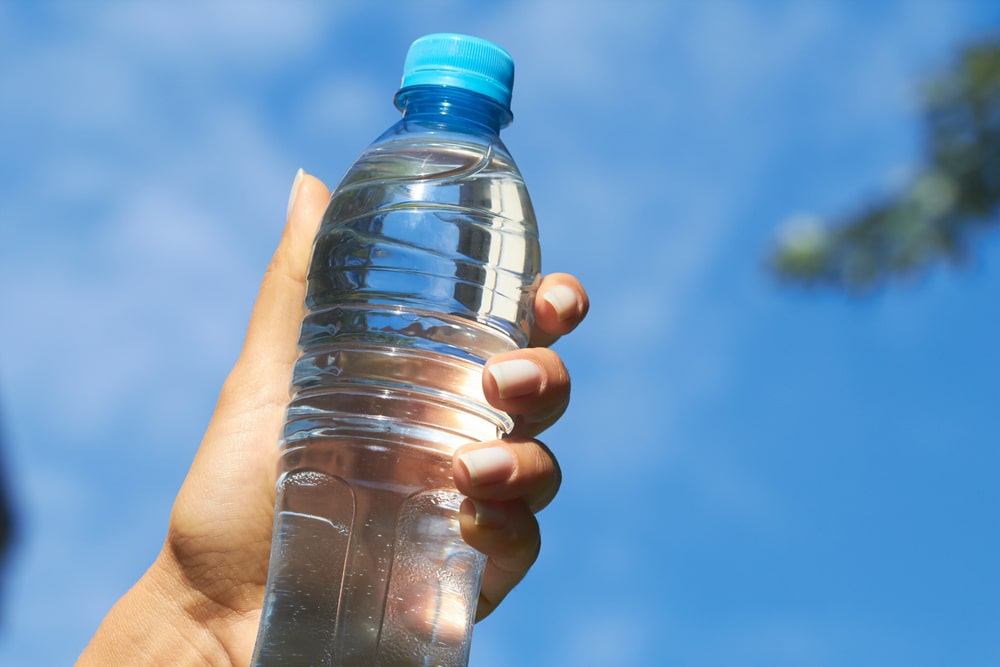
hydrated helps your eyes

#6. Stay Hydrated

Such a boring tip, we know, but you hear it all the time because it’s so very important. While traveling, there are so many fun drinks to try, from alcoholic beverages to new types of sodas or coffees or juices or what have you. Make sure that you’re drinking enough water between all your tasty beverages, though. This helps to prevent dry eyes, and is just generally good for you.

#7. Bring Backup Contacts And Glasses

All of the above eye care tips for traveling apply to anyone, regardless of whether or not you use corrective lenses. However, if you use contacts or glasses, it’s important to ensure that you’re packing backup pairs with you. 

While you may not think that you need them, the last thing that you want is for something to happen to your contacts or glasses while you’re traveling, and then you’re stuck with blurry vision and trying to find someone who can fill your prescription fast. If you wear contacts, it’s a good idea to bring glasses with you even if you never normally wear them. As the age-old saying goes, it is always better to be safe than sorry.

#8. Take Steps To Avoid Eye Strain

Whether from driving for long distances or accidentally wearing your contact lenses for 12+ hours straight, an essential part of eye care while traveling is taking preventative measures against eye strain. This includes putting your contacts in their sterile case with contact lens solution while flying so that you don’t accidentally fall asleep with them in and taking breaks as needed.

Are You Traveling This Summer?

Wolcott Optical is here to help! We can provide you with prescription sunglasses that allow you to enjoy the world without sun glare. We can also provide you with backup pairs of contacts or glasses, so you’re prepared while traveling. Contact us today to learn more about the eye glasses and contact lenses we provide.


Filed Under: Eyeglasses, Contacts

It’s important to stay hydrated for many reasons, including for your eye health. People who don’t drink enough water are more likely to suffer from dry eye than others. While there are many different causes of dry eye, dry eye is a side effect of dehydration. 

Here is what you need to know about how staying hydrated helps your eyes. 

wear contacts backup glasses need glasses

What Can Happen To Your Eyes If You Don’t Stay Hydrated?

If you don’t have enough tears, your eye may become itchy, scratchy, or have a burning sensation. You may also experience blurred vision, trouble focusing, and headaches. Your eyes may appear red and you may feel as though there is something in your eye.

You may also experience dry eye. Dry eye can lead to problems like eye inflammation and corneal abrasions. It can increase your risk of developing cataracts. You may even experience temporary vision loss that is reversible with rehydrating your body.

Your Body Needs Water To Make Tears

Water helps your tear production. Tears help to repel bacteria, protect the cornea, and keep your eye moist and healthy. 

You actually have three different types of tears.

  • Emotional tears are the ones most people think of. These well up when you get emotional. While most people cry when they’re sad, people can also cry when they’re happy, angry, or experiencing other emotions.
  • Reflex tears are the ones that happen when you get something in your eye. Your eyes start watering in an effort to flush the foreign object out.
  • Basal tears are constant. They’re the ones that protect your cornea and help to keep your eye healthy. If you have dry eye, you may experience tightness or burning in your eyes, as you don’t have enough basal tears to keep them comfortable. 

People’s eyes may water when they’re dry, which can cause people to think that they don’t need hydration. However, this is your body trying to rehydrate, similar to how your body sweats when you get hot in an effort to cool you down. 

What Causes Dehydration?

hydrated helps your eyes

Some common causes of dehydration include:

  • Simply not drinking enough water
  • Alcohol
  • Excessive salt intake
  • Diabetes
  • Caffeine
  • Stress
  • Hot weather
  • Excessive screen use (due to how looking at screen causes you to blink less often)
  • Prescription medications

A Note About Hydration Needs

In general, it’s recommended to drink about 8 glasses of water a day. However, it’s important to remember that hydration is a very individual thing. Your activity levels, height and weight, diet, the climate where you live, and more can affect how much water you need. For instance, what keeps one person hydrated may not be enough or may be too much for someone else. 

As such, it’s important to pay attention to your thirst cues. If you have a diet rich in foods like watermelon, soups, yogurt, and the like, you may not need as much water as someone who eats things with a lower water content. Rather than fretting about how many ounces you’re drinking, pay attention to what your body is telling you.

How To Tell If You Are Dehydrated?

Some signs of dehydration include:

  • Darker urine (pale or clear indicates being hydrated)
  • Feeling thirsty
  • Dry eyes, lips, or mouth
  • Not needing to pee much
  • Tiredness
  • Dizziness 

Dry eye is unlikely to be one of the initial signs that you’re dehydrated. If you start to notice that your eyes are dry, get some water. While dry eye may start off mild, it can worsen.

Keeping water with you through the day makes it easier to remember to drink water.

hydrated helps your eye

What If My Eyes Are Still Dry When I’m Hydrated?

If you’re vigilant about staying hydrated but you still suffer from dry eye, your dry eye is likely the result of something else. Talk to your eye doctor about the issue. They’ll be able to help you determine what’s going on. You may benefit from eye drops.

Corrective Lenses Help To Prevent Dry Eye

It’s important to give your eyes a break from screens and contacts to help them stay hydrated. Wolcott Optical can help you find blue-light glasses to protect your eyes from dry eyes resulting from staring at screens all day, as well as a backup pair of glasses you can use in order to avoid wearing your contact lenses for too long. 

Contact us today to learn more about the eyeglasses and contact lenses we provide. While we are not eye doctors, we care about protecting your vision with quality corrective lenses.
Filed Under: Eyeglasses

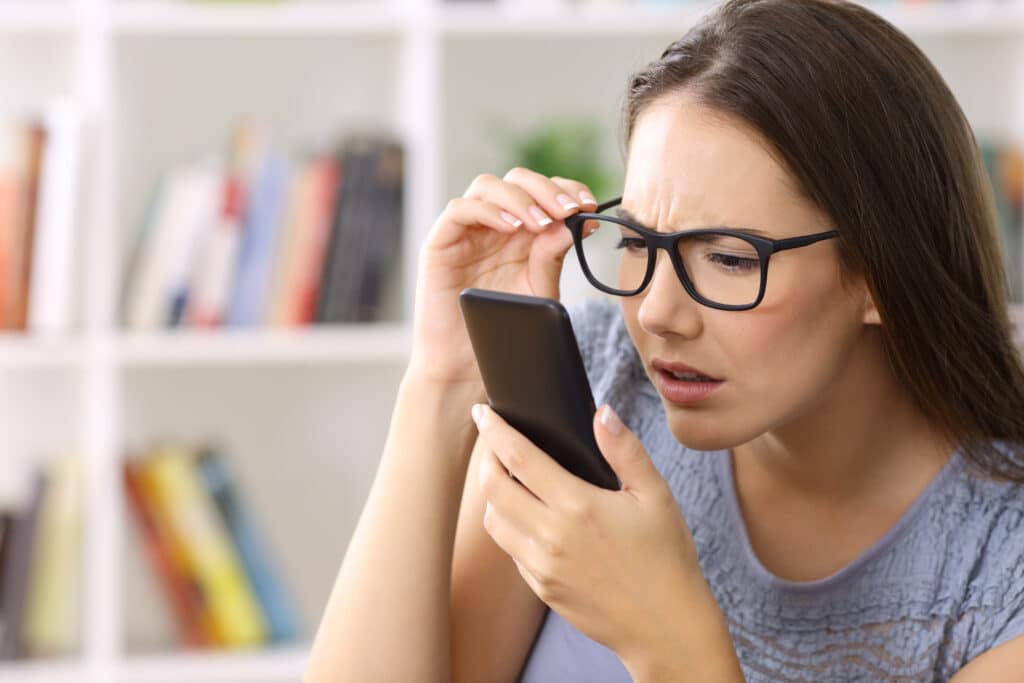
glasses make your vision worse

There’s a persistent myth that if you wear glasses or contact lenses, they will end up making your vision worse in the long run. Similar myths fly about all areas of healthcare – people assume that vaccinations poison you instead of help you, that psychiatric drugs keep you reliant on them rather than actually helping with mental health issues, and more. 

However, such myths are just that: myths. Glasses don’t make your vision worse. But here is what you need to know about why people think they can indeed make your vision worse and why this is not the case. Let’s jump on into it. 

Why People Think Glasses Make Your Vision Worse

There are several reasons why people think that glasses make your vision worse. Some reasoning comes from those who believe that there are natural, holistic solutions to all issues while other reasons come from people who don’t understand certain factors involved with getting glasses.

Here are some of the main reasons why people think that glasses make your vision worse.

Myth #1: You Force Your Eyes To Adjust

People think you force your eyes to adjust to the lenses and that trying to find “holistic” ways to fix your vision is better than relying on contacts and glasses.

Myth #2: The Breaking-In Period Is Unnatural

People claim that your prescription will only be right when your eyes are in an adjusting state and that the breaking-in period is unnatural and a sign that you shouldn’t be wearing glasses.

Myth #3: Glasses Damage Your Vision

People say that glasses can damage your vision since the lenses are in front of your eyes, and you would have to move your head to see to either side.

Myth #4: Glasses Weaken Your Eyes 

People claim that wearing glasses for too long damages your eyes and weakens the muscles. People have similar concerns with contacts, like how you can accidentally hurt yourself putting them in or taking them out or how they may impact oxygen to your eyes.

glasses make your vision worse

What People Claim Can Be Done About Vision Changes Instead Of Using Glasses 

People who believe that glasses make your vision worse can claim that vision changes can be reversed or prevented from worsening by doing eye exercises and adjusting your diet accordingly, such as by including antioxidants and fish oil in your diet.

While these are very important for your eye health and can help to prevent issues, they’re not a substitute for corrective lenses. You should indeed do these things, however, if you have blurry vision, you should look into glasses or contact lenses too.

Do Glasses Actually Make Your Vision Worse?

No. There is no scientific evidence that glasses weaken your eyesight. Glasses actually help your eyesight.

Corrective lenses do just that – correct your vision. While wearing contacts for too long can strain your eyes, you can switch to glasses to alleviate eye strain. Blue light glasses can also help with excessive screen time.

It’s natural for your vision to worsen as you age – this is not because of your glasses, but just the natural aging process or because of eye diseases. Your vision can also worsen if you do things like staring directly into the sun.

Specialized glasses and contact lenses can even strengthen your eyes, rather than weaken them, such as glasses for crossed eyes or lazy eyes in children. After wearing these, the child may not need glasses again in the future after the vision therapy has concluded.

Do Glasses Make Your Eyes Dependent On Them? 

care for your glasses Salt Lake City Utah

No. Wearing glasses does not make your eyes dependent on them or cause your eye muscles to atrophy. Glasses do not make your vision worse, but you may find yourself reaching for them because you like being able to enjoy clear vision that you don’t have otherwise. 

Does Taking Care Of Your Eyes Prevent Your Vision From Worsening?

While it’s good to take good care of your eyes, this won’t exactly prevent your vision from worsening 

People tend to need stronger prescriptions as they get older not because their prescription worsens their vision but because eye conditions can worsen with age, like nearsightedness. 

Only eye surgery can fix your vision if you do not want to wear corrective lenses. While taking care of your eyes is important, doing so won’t improve bad vision. 

Why Does My Vision Seem Worse After Wearing Glasses?

Your eyesight doesn’t actually get worse when you start wearing glasses, but it may seem like it because your perspective shifted. When you see the world clearly, you’re then more aware of the effects of your uncorrected vision. Your vision isn’t worse, but you can realize just how far from perfect it was now that you know what it’s like to see clearly.

If you experience bothersome symptoms with your glasses after two or so weeks, your prescription may be too weak or too strong, you can see your eye doctor to have it adjusted. Your glasses shouldn’t make your vision worse or cause long-term adverse symptoms.

Do You Need Glasses?

Come to Wolcott Optical and browse our wide selection of frames! We have frames for all different styles and needs. Contact us today to learn more about our glasses. 

Filed Under: Eyeglasses

  • « Previous Page
  • 1
  • …
  • 20
  • 21
  • 22
  • 23
  • 24
  • …
  • 36
  • Next Page »
Eyeglasses Salt Lake City Utah Wolcott Optical

Hours

Wolcott Optical Services, LC
3145 S Highland Dr
Millcreek, UT 84106
801-441-3233
Monday Closed
Tuesday 9:00 AM - 5:30 PM
Wednesday 9:00 AM - 5:30 PM
Thursday 9:00 AM - 5:30 PM
Friday 9:00 AM - 5:30 PM
Saturday 10:00 AM - 3:00 PM
Sunday Closed

Hours

Monday Closed
Tuesday 9:00 AM - 5:30 PM
Wednesday 9:00 AM - 5:30 PM
Thursday 9:00 AM - 5:30 PM
Friday 9:00 AM - 5:30 PM
Saturday 10:00 AM - 3:00 PM
Sunday Closed

SUBSCRIBE & SAVE

Follow Us

fgInstagram - Wolcott Opticalx&
Salt Lake City's Best Award Winner 2021 Gold for Best Eyewear Shop by The Salt Lake Tribune

Medical Disclaimer: Information on this site is not medical advice and is for educational purposes only. No doctor-patient relationship is formed. Click here for Full Legal Disclosures


2026 | Wolcott Optical | All Rights Reserved | Privacy Policy | Terms | Accessibility Statement | Anti-Discrimination Disclaimer | Healthcare Disclaimer | HIPAA Notice of Privacy Practices | XML Sitemap | Sitemap | Site by PDM