Millcreek UT Wolcott Optical

Wolcott Optical

Call Today!

801-441-3233
fgInstagram - Wolcott Opticalx&
  • Eyeglasses
    • Prescription Glasses
    • Bifocals
    • Reading Glasses
    • Lenses
    • Blue Light Blocking Glasses
    • Prescription Safety Glasses
    • Frames
      • Seraphin
      • Elasta
      • Kate Spade
      • Liz Claiborne
      • Etnia Barcelona Frames
      • l.a. Eyeworks
      • David Spencer Eyewear
      • Calvin Klein Frames
      • David Beckham
      • Hugo Boss
      • Nike Frames
      • Oakley Frames
      • Missoni Frames
      • Airlock Titanium Frames
      • Carolina Herrera
      • Fossil
      • Tommy Hilfiger
  • Sunglasses
    • Sunglasses For Men
    • Sunglasses For Women
    • Polarized Sunglasses
    • Prescription Sunglasses
    • Sunglass Brands
      • Maui Jim Sunglasses
      • Kaenon Polarized
      • Ray-Ban
      • Zeal Optics
      • Rudy Projects
      • Spy Optics
      • Oakley Sunglasses
      • Missoni Sunglasses
      • Fossil
  • Contacts
  • About
    • Our Team
    • Blog
  • Contact

Protect Your Eyes from Harmful UV Rays

Home | Sunglasses | Page 2

Millcreek UT Eye Doctor Near Me

As the days grow longer and temperatures grow hotter, it’s time to spend some time outdoors. However, it’s not all fun and games — the sun’s harmful UV rays can cause serious damage. You likely slather on sunscreen before you go outside to protect your skin, but you may not be doing enough to protect your eyes.

In this blog post, we’ll talk about what UV rays are, their harmful effects on your eye health, and how you can protect yourself from the sun this summer.

What Are UV Rays?

UV rays are a form of electromagnetic radiation that is invisible to the human eye. Due to its short wavelength, UV rays have a high frequency and contain a lot of energy, which is what makes them so dangerous. 

There are three types of UV light:

  • UVA emits the least amount of energy, causing wrinkles and sunspots.
  • UVB rays emit slightly more energy than UVA. It damages DNA directly and is responsible for sunburns and most UV-related cancers. When it comes to UV damage, UVB rays are the ones to be most concerned about. 
  • UVC emits the highest amount of energy, but it’s mostly blocked by the ozone layer of the atmosphere. 

The Harmful Effects of UV Rays

UV rays can penetrate and damage eye tissues, causing various health concerns and affecting vision. Excessive UV exposure can lead to:

Pinguecula and Pterygium

Pingueculas are protein and fat deposits located on the white part of the eye (sclera). A pterygium, sometimes known as a surfer’s eye, is a growth extending from the sclera to the cornea, which covers the pupil and iris. While neither of these conditions is particularly dangerous, they may cause irritation and redness and may have to be surgically removed if they affect your vision.

Cataracts

Your eyes contain clear lenses that help to focus light. When those lenses are exposed to too much UV radiation, they can sustain damage from oxidative stress and become cloudy, leading to cataracts. This damage is irreversible; the only treatment available is surgery. 

Age-Related Macular Degeneration

Age-related macular degeneration occurs when the macula, a part of the retina, is damaged. While the precise causes of this condition are unknown, exposure to UV rays is believed to be a contributing factor. Individuals with AMD have impaired central vision, which means they cannot clearly see things right in front of them. 

Cancer

UV exposure damages DNA, contributing to the development of ocular cancers, the most common of which is ocular melanoma. Other forms of ocular cancer include primary intraocular lymphoma and retinoblastoma, orbital cancers, and adnexal cancers. 

How to Protect Your Eyes From the Sun

Fortunately, there are simple steps you can take to protect yourself from the sun’s UV rays. Before having some fun in the sun, remember these essential tips:

Protect Your Eyes from Harmful UV Rays

Wear Sunglasses

Sunglasses are your eyes’ number one defense against UV rays. When shopping for a new pair of sunglasses, only buy those that provide 100 percent UV or UV400 protection — they should have a sticker or tag that indicates what kind of protection they offer. Consider sunglasses with large lenses to minimize the amount of unfiltered sunlight that reaches your eyes.

For maximum sun defense, wear a wide-brimmed hat along with your sunglasses. Along with shielding your face and neck from the sun, wearing a hat further reduces glare and provides an extra layer of protection for your eyes. 

Don’t Forget Your Eyelids

Your eyelids are the thinnest skin on your body, making them especially vulnerable to UV damage. Excessive sun exposure can lead to wrinkles, dryness, sagging, uneven pigmentation, and loss of elasticity, not to mention skin cancer. While sunglasses shield your eyelids from the sun, you should also wear sunscreen to ensure your most delicate skin is completely protected.

Be Mindful of Conditions

Be mindful of outdoor conditions before deciding to spend time outside. Sunlight is typically strongest from around 10 a.m. to 4 p.m., so limit your time outdoors to mornings and evenings whenever possible. Check the UV index for the day — anything above a 6 means a high risk of UV-related harm. Additionally, keep in mind that clouds don’t block UV rays, so you still need to take precautions on overcast days. 

Protect Your Eyes from Harmful UV Rays

Sunglasses at Wolcott Optical

At Wolcott Optical, we are proud to offer a comprehensive range of sunglasses from all your favorite brands. Whether you prefer a sleek, sporty look or a trendy vintage style, we have the perfect pair for you. Visit our store in Millcreek, Utah, to browse sunglasses that offer protection from UV rays without compromising on style.


Filed Under: Sunglasses

Salt Lake City Utah Designer Sunglasses

Enjoying the sun is something that is essential for our health and can be a great way to spend time with family and friends. But too much sun exposure can cause damage to our skin and eyes. When your eyes experience sun damage, you are more at risk for diseases like eye cancer or abnormal growths around your eyes. This blog will talk about how the sun can affect our eyes and ways to protect ourselves from too much sun damage. 

Yes, Your Eyes Can Get Sunburned

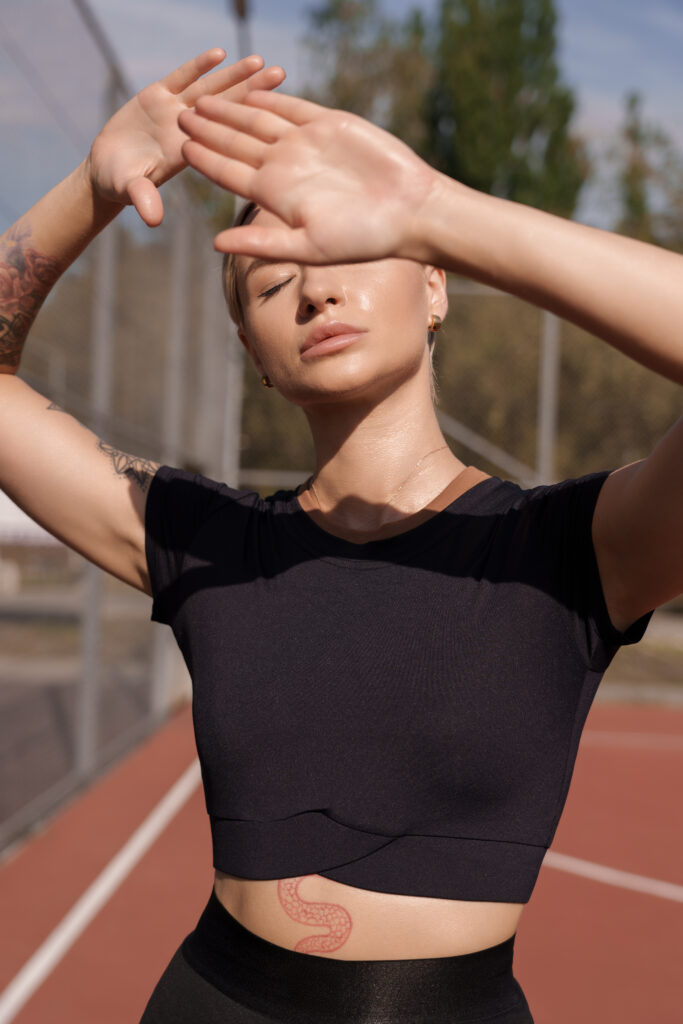
Similar to other parts of your body, your corneas can get sunburned when you have spent too much time in the sun. A corneal sunburn can cause blurred vision, pain in your eyes, or lead to a headache. Wear sunglasses or goggles while hiking, skiing, or working outdoors. 

Sunglasses will help guard the clear protective layer of your eye from UVA and UVB rays that could cause vision problems. Wearing sunglasses, even in the winter, can prevent tired eyes or eye cancer. 

Cataracts

Cataracts develop over many many years but each time you forgo eye protection, you add to the damage that is building up to cataracts. This eye disease will cause the lens in your eyes to be cloudy or dusty and affect how you see colors. 

Even in our younger years, wearing a hat and sunglasses can help prevent cataracts when we are older. Taking precautions while in the sun and visiting your optometrist regularly will help prevent the damage of cataracts. 

Developing Eye Cancer

The more damage that is done to your eyes, the more likely you are to develop eye cancer. Not only can cancer develop on the cornea but it can also develop on your eyelids, in your tear ducts, or around the eye area. When your eyes experience sun damage, your eyes start to deteriorate, which will cause abnormal growth. 

Not only is cancer of any kind scary and damaging to your health, it can cause your facial appearance to change. Some cancer spots are dark, some can bleed or become inflamed, and cause permanent damage to your vision. 

Sunglasses for men Wolcott Optical millcreek ut

Melanoma is the most serious cancer you can get and can cause vision blurring. This will cause damage to your vision for the rest of your life. 

Macular Degeneration

While there is not extensive research about macular degeneration, there are some indicators that sunlight can contribute to macular degeneration. This eye disease causes loss of vision in the center of the eye and causes blurry vision in the rest of your eyes. Having regular eye exams by a trained optometrist will help you catch any diseases or problems early. Catching problems early provides the best situation for medication or surgery to help remedy the disease. 

How To Protect Your Eyes From Sun Damage

If you are going to avoid sun damage to your eyes, you need to know what steps to take when you are doing activities in the sun. Here are some tips that can help you limit the effect of UV light. 

Not all sunglasses are created equal, wearing dark-colored sunglasses that fit well will help prevent light reflection from water or snow up into your eyes. Even when it is cloudy outside or during the winter, sunglasses will help prevent any UV light from damaging your sensitive areas. Purchase sunglasses from a reliable retailer that creates glasses with UV protection. 

For those who wear contacts, there are UV-blocking contacts that will protect your eyes without the need to wear sunglasses on top of contacts. Adding UV protection on top of your regular prescription is offered by most opticians. 

Practicing smart sun strategies is the best way to help avoid eye cancers and other vision damage. It is important to follow strategies of avoiding the sun when the UV radiation is the strongest, wearing sunscreen, paying attention to altitude, and understanding how medications affect your skin sensitivity.

sunglasses into prescription millcreek ut

Avoiding Man-Made UV Radiation

Using tanning beds, black light lamps, or working with other curing lamps can cause eye damage. If you want to lower your risk of eye cancer or cataracts avoid using tanning beds, and wear proper protection when around xenon-mercury lamps or plasma torches. When eyes experience sun damage from artificial sources, it can still cause eye diseases that are caused by natural light from the sun.

Filed Under: Sunglasses

During the winter months, all different types of concerns arise. Many people get sick, skin dryness becomes a prevalent problem, and more. Your eyes are affected by winter weather, too. From dryness to excessive watering and more, there are all sorts of different common eye problems in winter. Fortunately, most can be helped.

Here’s what you need to know about some of the most common eye problems in winter, as well as what you can do to help with each issue.

#1. Snow Blindness

common eye problems in winter

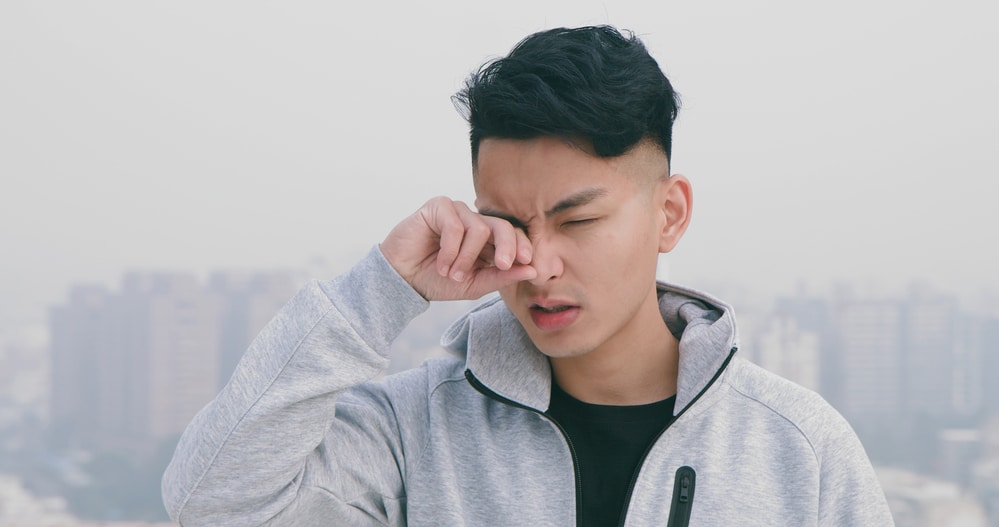
Also known as photokeratitis, snow blindness occurs when your eyes have been exposed to too much UV light. Basically, snow blindness is a sunburn on your eyes. You know how light reflects off of snow and can temporarily blind you? Snow blindness is when the UV rays from that glare damage your eyes.

Some of the symptoms of snow blindness include:

  • Eye pain
  • Watering
  • Swelling eyes
  • Twitching eyelids
  • Seeing halos around lights
  • Pain in bright light
  • And more

In spite of the name, snow blindness doesn’t just happen during the winter. It can also occur anywhere there is bright sunlight, such as on a beach.

How You Can Help It

Usually, snow blindness doesn’t cause permanent damage. It typically goes away within a few days. If it doesn’t, you’ll need to see a doctor.

There are some things you can do to both prevent snow blindness and treat it.

  • Take out your contacts and opt for glasses.
  • Wear sunglasses outside.
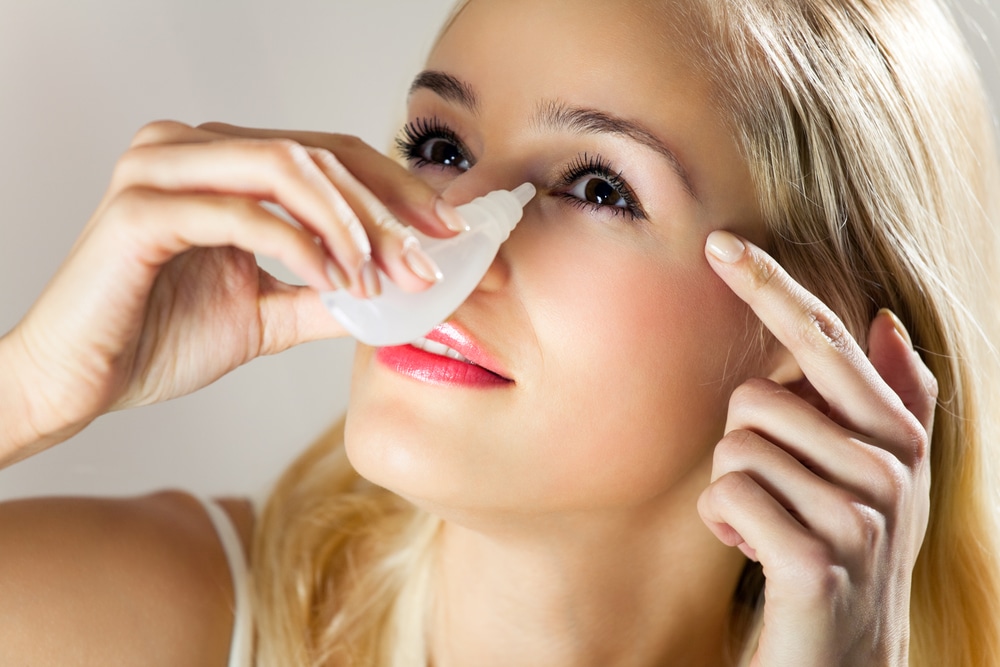
  • Use eye drops to protect the surface of your eyes.
  • Take painkillers as needed.
  • Stay out of the sun. 
  • Talk to your doctor.

#2. Dry Eyes

common eye problems in winter

During the winter, humidity levels in the air drop. Snowstorms bring winds that can dry out your eyes. Indoor heating reduces the amount of moisture in the air. With less moisture in the air, both inside and outside, dry eyes is among the most common eye problems in winter.

Some symptoms of dry eyes include:

  • Itching
  • Redness
  • Burning
  • Stickiness
  • Feeling like there’s something in your eye

If you already have dry eyes, this condition can be exacerbated by winter weather.

How You Can Help It

If you suffer from dry eyes, there are several things you can do to help. It’s always a good idea to talk to your eye doctor, especially if none of the following measures provide relief, as they will be able to provide you with expert medical advice specific to you.

  • Opt for glasses instead of contact lenses.
  • Try to wear your contacts less.
  • Use humidifiers inside.
  • Wear sunglasses outside. 
  • Use artificial tears. 
  • Lower the temperature of your thermostat, if you can.

#3. Watery Eyes

common eye problems in winter

On the opposite end of the spectrum, another one of the common eye problems in winter is watery eyes. While some people find that winter weather dries their eyes out, others find that their eyes produce an excessive amount of tears in an effort to stay protected. Like dry eyes, watery eyes result from decreased levels of moisture in the air. 

Symptoms of watery eyes include:

  • Excessive watering, of course.
  • Infection, from using dirty clothes to wipe away tears
  • Blocked tear ducts
  • Blurry vision

How You Can Help It

Many people find that their watery eyes stop being a problem once they go inside. Wearing glasses or sunglasses can reduce the likelihood of tearing.

However, sometimes people need treatment in order to find relief. Consult with your doctor in order to determine the best course of action for you, personally.

Some of the treatment options for watery eyes include:

  • Medications.
  • Removal of foreign objects.
  • Opening blocked tear ducts.
  • Eyelid repair, in extreme cases where your eyelid is sagging

If your watery eyes don’t go away and cause you pain and impact your ability to see clearly, you should contact your eye doctor.

Prescription Glasses, Sunglasses, And More To Protect Your Eye Health This Winter

common eye problems in winter

Wolcott Optical can help you protect your eyes from these common eye problems in winter with our quality eyewear. If you love going outside and getting the most out of the snow, you may benefit from prescription sunglasses or prescription safety glasses. If you want to be able to alternate between contact lenses and glasses, we carry a wide selection of many different frames so that you can select a pair that suit you. 

To learn more about our eyewear and how it can protect you from common eye problems in winter, please don’t hesitate to contact us today!

Filed Under: Sunglasses, Eyeglasses

  • « Previous Page
  • 1
  • 2
  • 3
  • Next Page »
Eyeglasses Salt Lake City Utah Wolcott Optical

Hours

Wolcott Optical Services, LC
3145 S Highland Dr
Millcreek, UT 84106
801-441-3233
Monday Closed
Tuesday 9:00 AM - 5:30 PM
Wednesday 9:00 AM - 5:30 PM
Thursday 9:00 AM - 5:30 PM
Friday 9:00 AM - 5:30 PM
Saturday 10:00 AM - 3:00 PM
Sunday Closed

Hours

Monday Closed
Tuesday 9:00 AM - 5:30 PM
Wednesday 9:00 AM - 5:30 PM
Thursday 9:00 AM - 5:30 PM
Friday 9:00 AM - 5:30 PM
Saturday 10:00 AM - 3:00 PM
Sunday Closed

Special / Holiday Hours

Sept. 5 Closed
Sept. 7 Closed

SUBSCRIBE & SAVE

Follow Us

fgInstagram - Wolcott Opticalx&
Salt Lake City's Best Award Winner 2021 Gold for Best Eyewear Shop by The Salt Lake Tribune

Medical Disclaimer: Information on this site is not medical advice and is for educational purposes only. No doctor-patient relationship is formed. Click here for Full Legal Disclosures


2026 | Wolcott Optical | All Rights Reserved | Privacy Policy | Terms | Accessibility Statement | Anti-Discrimination Disclaimer | Healthcare Disclaimer | HIPAA Notice of Privacy Practices | XML Sitemap | Sitemap | Site by PDM