Millcreek UT Wolcott Optical

Wolcott Optical

Call Today!

801-441-3233
fgInstagram - Wolcott Opticalx&
  • Eyeglasses
    • Prescription Glasses
    • Bifocals
    • Reading Glasses
    • Lenses
    • Blue Light Blocking Glasses
    • Prescription Safety Glasses
    • Frames
      • Seraphin
      • Elasta
      • Kate Spade
      • Liz Claiborne
      • Etnia Barcelona Frames
      • l.a. Eyeworks
      • David Spencer Eyewear
      • Calvin Klein Frames
      • David Beckham
      • Hugo Boss
      • Nike Frames
      • Oakley Frames
      • Missoni Frames
      • Airlock Titanium Frames
  • Sunglasses
    • Sunglasses For Men
    • Sunglasses For Women
    • Polarized Sunglasses
    • Prescription Sunglasses
    • Sunglass Brands
      • Maui Jim Sunglasses
      • Kaenon Polarized
      • Ray-Ban
      • Zeal Optics
      • Rudy Projects
      • Spy Optics
      • Oakley Sunglasses
      • Missoni Sunglasses
  • Contacts
  • About
    • Our Team
    • Blog
  • Contact

Contacts vs Glasses

Home | Eyeglasses | Page 31

Many people are uncertain whether they should obtain contacts or glasses. It isn’t always financially feasible to obtain both contacts and glasses to meet your visual needs. Understanding the advantages and disadvantages to each type can help you to make the ideal decision for your specific needs. Here are a few things to keep in mind about the debate of contacts vs glasses.

Which Is Better? Contacts vs Glasses

Many people argue that one form of vision correction is superior to the other. However, this is simply a matter of preference. There are many considerations that may impact the ideal decision for your situation. For example, you will want to consider your own aesthetic preferences, your lifestyle, and your specific vision issues when you decide whether to use contacts or glasses. The contacts vs glasses debate depends primarily on these many different factors. Some people may prefer contacts while others may prefer glasses for their specific needs.

Glasses

Glasses come in all shapes and styles. They have many different lens types that can be implemented to substantially improve your vision and meet your needs. There are many considerations that have to be taken into account when you decide on the contacts vs glasses debate. Various lens types, such as bifocals or trifocals, can ensure the best vision for your daily life. Here are some of the advantages and disadvantages that come along with using glasses on a regular basis.

Pros

Glasses tend to require far less upkeep than contacts. Though you may have to clean the lenses occasionally, you don’t have to clean them on a nightly basis. In addition, glasses tend to result in less risk to your eyes, as they don’t lead to infections as much as contacts. Glasses can serve as a protective shield that can prevent dirt and debris from entering your eyes. Some people may find that they feel far more comfortable with glasses.

There are many varieties of frames that are available to meet your appearance-related needs. Glasses don’t require replacement quite as often as contacts and you may even be able to have lenses switched out with your existing frames as your prescription changes. The right glasses will often have better UV protection than contacts. They also reduce the need to touch your eyes, which is an increasingly important component during this turbulent time.  

Cons
contacts vs glasses

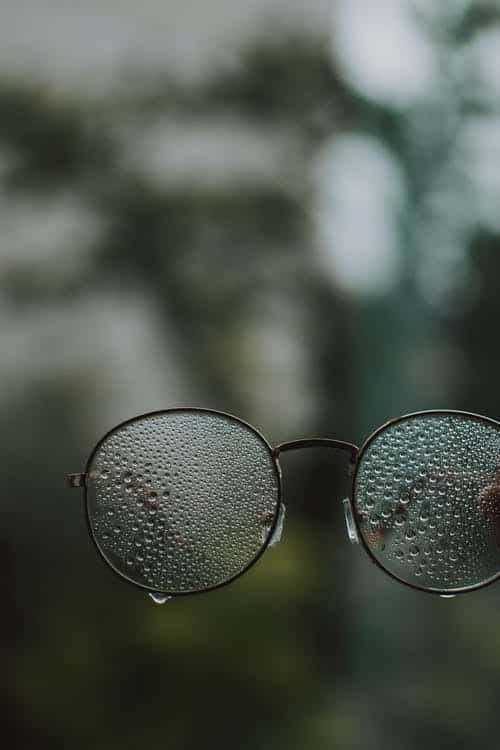
Though there are many benefits associated with glasses, there are a few disadvantages that still need to be taken into account. For one thing, many people don’t love their appearance with glasses. This can cause people to feel self-conscious while wearing glasses. Glasses may also be rather fragile and can break easily. The weight and tension caused by some glasses may result in headaches, especially when worn daily. For incredibly active individuals, glasses can be disruptive. You will have to take care that your glasses don’t fall off while exercising. Frames of the glasses may interfere with the individual’s field of vision, especially when the frames are rather thick. Glasses can also be prone to fogging when experiencing inclement weather or temperature changes. This is amplified when an individual wears masks, which is especially common recently.

Contacts

Contact lenses adhere to the surface of the eye in order to provide clearer vision with minimal discomfort. Though these contacts used to be incredibly uncomfortable, innovations have allowed them to become far more effective. Many people choose to use contact lenses in order to provide minimal inconvenience while allowing them to see clearly. Contacts can be an extremely efficient method for correcting vision. Here are a few of the pros and cons of using contacts for your vision correction.

Pros

Contacts are often implemented due to the improved appearance that they provide. In addition, colored lenses are available. If you want to change your eye color while simultaneously improving your vision, contacts are a great option. Contacts can be used in conjunction with an active lifestyle. While playing sports, you don’t have to worry about losing or breaking your glasses. Contacts don’t have the same weight of the frames of glasses, which can prevent added pressure. Unlike glasses, contacts allow for the individual to buy them in bulk to ensure that you have them available. They need to be replaced more frequently, but are often far more convenient. Contacts tend to be less noticeable to wear throughout the day, while glasses may be a somewhat constant pressure.

Cons

Contacts can be incredibly convenient and comfortable options for correcting your vision. However, it is important to keep in mind the few issues that may be associated with wearing contacts on a regular basis. For example, when you wear contacts regularly, they sit on the surface of your eye. This can cause the eye to become more susceptible to infections or other issues. They require far more maintenance and need to be cleaned and cared for more regularly than glasses. These things can cause the eyes to dry out, as well. Some people find that contacts are difficult to apply and may have difficulty getting used to them. It is important to keep in mind that you will likely adjust to them over time and may find them to be a more convenient option. Also consider whether you have allergies. Allergy season often has an impact on your eyes.

When it comes to your vision, it is important to ensure that you make the best decision for your particular situation. Understanding the various factors in the contacts vs glasses debate can allow you to choose the best solution for you. Both glasses and contacts come with benefits and drawbacks. The decision that you make is largely based off of your own preferences and desires. Here at Wolcott Optical, we strive to provide a broad array of services to ensure the healthiest eyes possible. Whether you prefer to wear glasses or contacts, we have the ideal solution for you. To learn more about the advantages and disadvantages of contacts compared to glasses, contact our experts today!

Filed Under: Eyeglasses

Eye problems are capable of having a substantial impact on both the classroom performance and behavior of your child. Many schools perform regular eye exams in an attempt to catch these problems. These exams are often completed by a volunteer, rather than an ocular professional, so issues may not be discovered, especially if the problem isn’t particularly severe. It is crucial to learn the signs that your child needs glasses in order to ensure that you will be able to provide them with the services that they need. Here are a few of the signs that your child needs glasses.

Eye Pain and Frequent Headaches

Eye pain and frequent headaches are a huge sign that your child is having some kind of issue with their eyes. This discomfort often results from the eyes straining or becoming overexerted as the child attempts to see. For example, headaches are often caused by issues of farsightedness. This is because the eyes have to strain in order for the child to focus on things that are located near to them, which tends to cause headaches to arise. Pay attention to your child complaining of headaches or pain around their eyes, as this may mean that your child needs glasses.

Rubbing Eyes

There are many reasons that your child may rub their eyes, so this may not necessarily be cause enough to bring them in for an eye exam. They may have allergies or other problems that cause their eyes to tear up. They may even have specific ocular allergies. However, rubbing the eyes consistently may also be a sign that they eyes are being strained and your child is rubbing them in an attempt to relieve the strain and discomfort in their eyes.  

Squinting

If you see your child squinting regularly, it is likely that they have an eye problem. Squinting helps to provide temporary improvement to the vision, because it limits the amount of light that infiltrates into the eye and helps to modify the shape of the eye. Don’t just overlook it if your child squints on a regular basis.

Head Tilting

If your child is regularly tilting their head, it is possible that several different issues are present. For example, one eye might not be working at the same strength as the other eye, which necessitates the head tilt. This gesture can also change the angle at which the object is being viewed, which may help the eyes to focus on a specific object.

Difficulty with Comprehensive Reading

child needs glasses

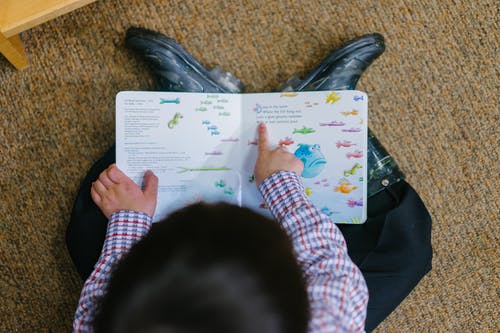
Children that have issues with their eyesight may have difficulty with comprehensive reading. Watch your child as they are reading and have them read aloud to you. If they have eye issues, it is likely that they will use their finger as they read in order to help keep their place. It is common for children with vision problems to frequently lose their place while reading and otherwise having difficulty reading.

Sitting too Close to the Television

Sitting extremely close to the television is often an indication that they are unable to see clearly from further away. If you find that your child is sitting uncomfortably close to the television, it is likely that they are nearsighted and have trouble seeing further away. This same thing applies to holding objects very close to their face, such as tablets or books.

Light Sensitivity

There are many vision issues that can result in light sensitivity. Pay attention to your child’s complaints about areas being too bright. Light sensitivity is generally anything that results in discomfort in reaction to moderate levels of light, such as sunlight or turning the light on in the house.

Changes in Behavior or Academic Performance

Many children are simply unaware that they have an issue with their eyes. It is likely that they have had these issues their entire lives and don’t know the feeling of actually being able to see clearly. When they are unaware of the issues, but their lives are being impacted by the issues, it can be extremely frustrating and overwhelming. They may not understand why they are having difficulty seeing the whiteboard in the classroom or effectively playing sports with their friends. If you notice changes in their behavior or academic performance, it is possible that they are experiencing vision problems.

Failing a School Eye Exam

As was previously mentioned, most schools hold regular eye exams in the early years in an attempt to identify possible vision issues. Though these eye exams aren’t always effective, it is still a sure sign that your child is experiencing eye issues if they fail the eye exam. The school will notify you if they suspect that your child is experiencing vision problems. At this point, you should take the steps to bring your child in to a professional in order to have their vision restored and protected.

Schedule an Eye Exam with Us!

Regular eye exams are another great way to identify issues with your child’s vision. Even if they have eye exams at their school, a professional will be able to identify whether your child would benefit from corrective implements, such as glasses or contacts. It can be particularly beneficial to bring your child in regularly for an eye exam. After these issues have been identified, it is often recommended that you continue to bring them in for eye exams on a yearly basis. This will aid in monitoring changes to the vision and providing the most effective methods for protecting the health of their eyes. Here at Wolcott Optical, we strive to provide you with all of the services that you need to protect your vision and the vision of your children. We offer excellent eye exam services to identify problems, as well as carry a wide selection of tools that can help to correct issues with the vision. To learn more about our services and how to protect the health of your child’s vision, contact our experts at Wolcott Optical today!

Filed Under: Eyeglasses

With allergy season approaching, it is likely that you will begin to experience allergy-related symptoms. Many people who experience seasonal allergies, commonly called hay fever, have symptoms that impact their eyes. Though allergies don’t necessarily pose a threat to your ocular health, the symptoms can be detrimental to their overall quality of life. Understanding how to recognize and alleviate symptoms can go a long way toward ensuring that you remain comfortable throughout allergy season. There are many ways to protect your eyes, including eye exercises when working on computers and wearing the appropriate eyewear.  

How Allergies Work

Allergies occur when an individual comes into contact with specific allergens. These allergens cause the immune system to have an overreaction, which results in the symptoms of allergies. This causes symptoms like sneezing, itchiness, rashes, and more. In most situations, being proactive with your known allergens can help you to avoid experiencing the symptoms. If an individual with pollen allergies goes outside when pollen levels are high, they will likely inhale pollen particles. This will then cause the reaction in their immune system and they will experience the symptoms of hay fever. Studies have shown that between 70-80% of individuals with hay fever also experience a condition called allergic conjunctivitis.

Allergic Conjunctivitis

Allergic conjunctivitis is the technical term for the allergic inflammation of the eyes. This is when allergic symptoms impact the conjunctiva. The conjunctiva is the membrane that covers the eyelids and the eyes. When hay fever impacts the conjunctiva, it results in additional symptoms that impact the eyes. These symptoms can be incredibly uncomfortable, which is one of the reasons that treating the symptoms can improve your overall quality of life. Here are some of the symptoms that can help you to determine if you have allergic conjunctivitis.

Symptoms of Allergic Conjunctivitis

It is important to keep in mind that allergic conjunctivitis is usually present in addition to other allergy symptoms, such as sneezing and a runny nose. If the only symptoms are impacting the eyes, it is likely that there is a different issue. You should ensure that you visit an optometrist for an exam to protect the health of your eyes. Allergic conjunctivitis tends to cause the eyes to appear red. Keep in mind that allergic conjunctivitis isn’t contagious, though the red eyes can mimic the appearance of pink eye. Eyes may become watery and itchy, which often results in individuals rubbing them. This rubbing can further irritate the eye, as well as introduce bacteria or dirt to the surface of the eye. It is important to refrain from rubbing your eyes, even while you are experiencing the symptoms of allergic conjunctivitis.

allergy season

A less known symptom of allergic conjunctivitis is that it can actually cause the eyes to dry out. This often results in a burning sensation. In addition, it is important that eyes remain moisturized to flush out bacteria and harmful particles. If you are experiencing dry
eyes, implementing solutions to keep them moisturized can be particularly beneficial. Keep in mind that dry eyes are also common throughout the winter months. This is more commonly due to indoor heating rather than allergic symptoms. Protect
your eyes
throughout the winter and continue to implement solutions to protect them throughout allergy season.

Reducing the Impact of Allergic Conjunctivitis

There are several steps that you can take to reduce the overall impact of allergic conjunctivitis. This will allow you to be more comfortable and improve the health of your eyes. Allergy eye-drops can both help to wash out the allergens that have impacted your eyes. One of the major benefits of this avenue is that it can also help to keep the eyes more moisturized, as well. Allergy medications are often very effective at preventing all kinds of allergy symptoms. Taking an allergy medication every morning throughout allergy season can help to keep you more comfortable and prevent the symptoms from arising. Allergy shots can also be used to help build up your immunity to various allergies. These shots tend to work over a period of months, but you should consult with your doctor to learn more about this option for reducing allergy related symptoms.

Allergy Prevention

Taking the steps to prevent contact with allergens can also help to reduce the likelihood of substantial symptoms and discomfort. The appropriate steps will depend primarily on the allergens that you are vulnerable to. Wash your bedding regularly to remove allergens on the surface of your bed. If you are allergic to pet dander, you should ensure that you keep pets off of the furniture and out of your bedroom. Washing your hands and face regularly can help to prevent exposure to the allergens that cause your immune system to overreact. If you are allergic to pollen, you should keep track of the levels of pollen. Try to stay inside as much as possible on high pollen days to reduce your allergy related symptoms.

Wearing Contacts with Allergies

You can certainly wear contacts during allergy season, but there are a few considerations that you should keep in mind. Contacts are always going to slightly irritate the eyes. Though this is usually virtually unnoticeable, contacts can magnify the irritation from allergic conjunctivitis. Ensure that you always thoroughly rinse your contacts to minimize the possibility of irritation. You should also consider disposable, one day use contacts to ensure that the contacts that they use are always clean.

Here at Wolcott Optical, we are well aware of the discomfort that can occur to your eyes during allergy season. It is important to keep in mind that experiencing these symptoms without the presence of allergies can indicate a different ocular health concern. If you are concerned about the condition of your eyes, it can be incredibly beneficial to schedule an eye exam with an optometrist. Our experienced professionals are dedicated to protecting the health of your eyes, as well as helping you to minimize any discomfort that your eyes experience through allergy season. To learn more about the impact that allergy season has on your eyes, contact us at Wolcott Optical today!

Filed Under: Eyeglasses

  • « Previous Page
  • 1
  • …
  • 29
  • 30
  • 31
  • 32
  • 33
  • Next Page »
Eyeglasses Salt Lake City Utah Wolcott Optical

Hours

Wolcott Optical Services, LC
3145 S Highland Dr
Millcreek, UT 84106
801-441-3233
Monday Closed
Tuesday 9:00 AM - 5:30 PM
Wednesday 9:00 AM - 5:30 PM
Thursday 9:00 AM - 5:30 PM
Friday 9:00 AM - 5:30 PM
Saturday 10:00 AM - 3:00 PM
Sunday Closed

Holiday Hours

We will be closed on Thursday, the 27th, for Thanksgiving Day

Hours

Monday Closed
Tuesday 9:00 AM - 5:30 PM
Wednesday 9:00 AM - 5:30 PM
Thursday 9:00 AM - 5:30 PM
Friday 9:00 AM - 5:30 PM
Saturday 10:00 AM - 3:00 PM
Sunday Closed

Holiday Hours

Saturday, Feb. 14th Closed

SUBSCRIBE & SAVE

Follow Us

fgInstagram - Wolcott Opticalx&
Salt Lake City's Best Award Winner 2021 Gold for Best Eyewear Shop by The Salt Lake Tribune

2022 | Wolcott Optical | All Rights Reserved | Privacy Policy | Terms | Accessibility Statement | Anti-Discrimination Disclaimer | Healthcare Disclaimer | HIPAA Privacy Policy | XML Sitemap | Sitemap | Site by PDM