
Millcreek UT Wolcott Optical

Wolcott Optical

Call Today!

801-441-3233
fgInstagram - Wolcott Opticalx&
  • Eyeglasses
    • Prescription Glasses
    • Bifocals
    • Reading Glasses
    • Lenses
    • Blue Light Blocking Glasses
    • Prescription Safety Glasses
    • Frames
      • Seraphin
      • Elasta
      • Kate Spade
      • Liz Claiborne
      • Etnia Barcelona Frames
      • l.a. Eyeworks
      • David Spencer Eyewear
      • Calvin Klein Frames
      • David Beckham
      • Hugo Boss
      • Nike Frames
      • Oakley Frames
      • Missoni Frames
      • Airlock Titanium Frames
  • Sunglasses
    • Sunglasses For Men
    • Sunglasses For Women
    • Polarized Sunglasses
    • Prescription Sunglasses
    • Sunglass Brands
      • Maui Jim Sunglasses
      • Kaenon Polarized
      • Ray-Ban
      • Zeal Optics
      • Rudy Projects
      • Spy Optics
      • Oakley Sunglasses
      • Missoni Sunglasses
  • Contacts
  • About
    • Our Team
    • Blog
  • Contact

Why Do My Glasses Leave Marks on My Nose?

Home | Eyeglasses | Page 2

Why Do My Glasses Leave Marks on My Nose?

If you’ve ever removed your glasses at the end of the day and found red marks on the bridge of your nose, you’re not alone. Many people who wear glasses experience discomfort or red indents on their noses. While this is a common issue, it may not be something you have to live with. A proper fit, the right materials, and expert adjustments can make your glasses much more comfortable. 

If your glasses leave marks on your nose, keep reading to learn why this is happening, how to prevent discomfort, when to replace or refit your glasses, and the role of professional adjustments. 

Common Reasons Glasses Leave Marks on Your Nose

First, let’s go over some common reasons glasses leave marks on your nose. When you identify why it’s happening, you can determine the right solution. 

Poor Fit

When your glasses are too tight, they can press into your skin, causing indents on your nose. When your glasses are too loose, they slide down your nose, which means you have to constantly push them back up, creating friction and pressure points. 

For more information about the importance of a proper fit, check out our previous blog post, “How to Tell if Your Glasses Fit Properly”, 

Nose Pad Issues

Nose pads that are made from hard materials like metal or rigid plastic tend to dig into the skin. This issue is even more significant when the pads are misaligned or unbalanced, causing uneven pressure. Furthermore, over time, worn or dirty nose pads can irritate the skin. 

Frame Weight

Heavier materials, such as metal or thick acetate, put more pressure on the bridge of the nose. This is especially true if the lenses are heavy, as well, like those used for stronger prescriptions. 

Skin Sensitivity

Some people’s skin reacts badly to materials like nickel or certain plastics, causing red marks. Additionally, oils, bacteria, and sweat trapped under the nose pads can cause irritation, redness, or acne. 
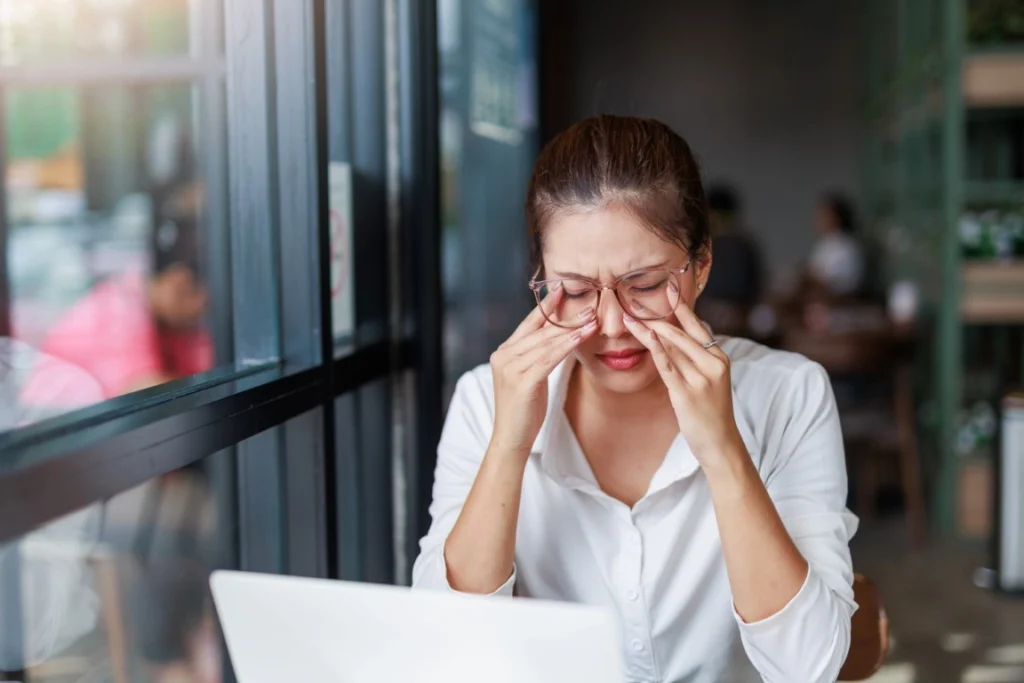
Why Do My Glasses Leave Marks on My Nose?

How to Prevent Marks and Discomfort

If you’re bothered by the way your glasses leave marks on your nose, there are a few simple things you can try to alleviate discomfort, including:

  • Getting a professional adjustment: Ask an optician to adjust the bridge width, arms, and nose pads to ensure an even weight distribution. Even minor tweaks can make a big difference. 
  • Choosing lightweight materials: Choose frames made from titanium or lightweight plastic to reduce pressure on your nose. High-index lenses can also minimize overall weight. 
  • Opting for proper nose pads: Silicone pads are softer and distribute the weight of the glasses more evenly. Additionally, adjustable or larger nose pads can help glasses sit more comfortably.
  • Keeping your glasses clean: A build-up of oils and dirt can irritate the skin under the frames. Regular cleaning can alleviate irritation and make your glasses more comfortable. 
  • Considering your frame style: Low-bridge frames are better for certain nose shapes, and glasses with built-in plastic bridges can reduce pressure compared to metal nose pads. 

When to Replace Your Glasses

Sometimes, when your glasses leave marks on your nose, it’s a sign that it’s time to replace your glasses. Frames naturally loosen or wear out over time. Persistent marks or discomfort, frequent slipping or pinching, or lenses sitting too low or too high — even after professional adjustments — may mean it’s time for a new pair. Luckily, at Wolcott Optical, we offer a wide range of stylish options to suit any face shape. 

Why Professional Fit Matters

Why Do My Glasses Leave Marks on My Nose?

At Wolcott Optical, we know that comfort and clear vision go hand in hand. If your glasses leave marks on your nose, you don’t just have to accept it. We’re here to help you achieve a more comfortable fit without sacrificing functionality or style. 

Our team of trained opticians can help you find frames that match your face shape, the height of your nose bridge, and your lifestyle. And if you ever need adjustments to your glasses in the future, we’ll take care of that, too. Stop by our store in Salt Lake City, Utah, for a personalized fitting or quick adjustment. And if you have any questions about how to ensure the right fit, feel free to reach out. 
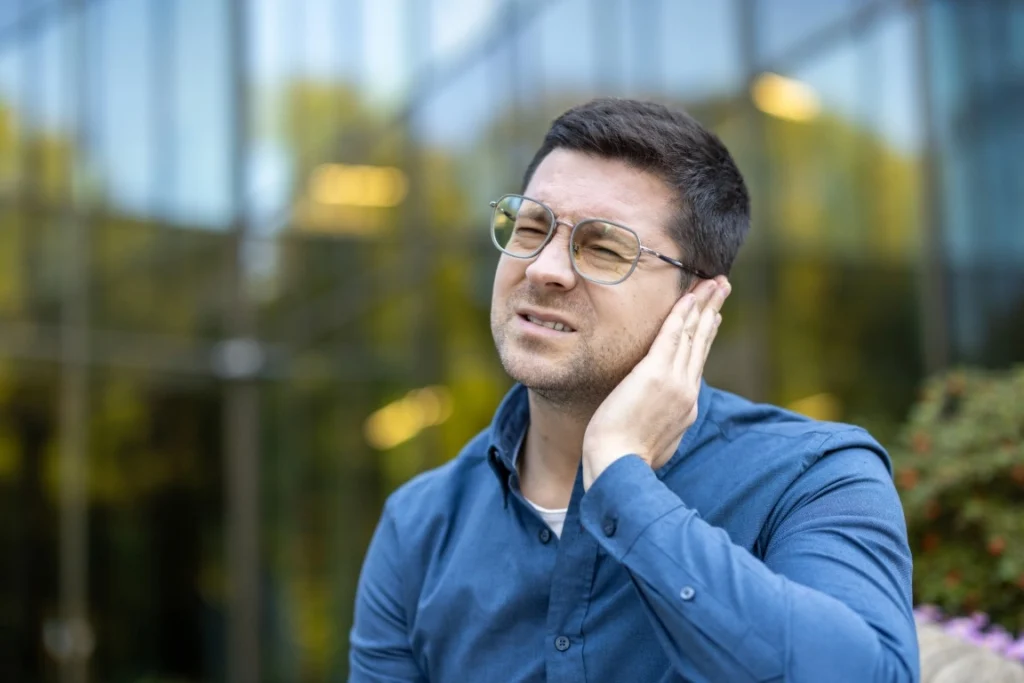
Filed Under: Eyeglasses

Why Do My Glasses Make My Ears Hurt?

Your glasses should feel comfortable, almost like they’re not even there. If they make the area behind your ears hurt, something isn’t right. Luckily, ear pain is a common issue among those who wear glasses and is usually easy to fix. 

If your glasses make your ears hurt, keep reading to learn possible causes of your discomfort, what to do about it, and when it’s a sign you need a new pair of glasses. 

What Causes Glasses to Hurt Behind the Ears?

First, let’s explore some possible reasons your glasses may be making your ears hurt:

  • Ill-fitting frames: When the frames are too tight around the temples or don’t align with the natural curve of your head, they can create a pinching pressure on the area behind the ears. 
  • Incorrect temple length: When the arms of the glasses are too short, they can pull ward and dig into the ears. If they’re too long, they can slide around, causing friction and irritation.
  • Weight of the frames: Heavier frames, like those made from metal or acetate, can create downward pressure on the ears. 
  • Uneven or warped frames: Frames can become bent or warped due to daily wear, improper storage, or being accidentally dropped. This can cause one ear to carry more weight than the other, creating discomfort. 
  • Poor nose pad fit: If the nose pads don’t fit quite right, the weight of the glasses shifts backward to the ears. 
  • Skin sensitivity or allergies: Some people are allergic to certain metals used in glasses frames, such as nickel. Additionally, a build-up of dirt, sweat, or hair products on the frames can cause skin irritation around the ear. 

How to Fix Glasses That Make Your Ears Hurt

Fortunately, there are plenty of things you can do to fix your glasses so they don’t make your ears hurt anymore, from getting them professionally adjusted to preventing slippage to cleaning them regularly. 

Ensure the Right Fit

Professional opticians can heat and reshape the frames, adjust the curves, increase the nose pad height, and make sure they’re balanced. Avoid DIY adjustments, as they can cause damage and make your ears hurt worse if done incorrectly. 

Reduce Slipping

Consider adding temple sleeves or anti-slip grips to your glasses. These accessories are a simple, inexpensive way to make your glasses sit more comfortably behind your ears. You can also seek professional adjustments to ensure the frame sits correctly on the bridge of your nose to reduce slipping. 

Clean and Maintain Your Glasses

A build-up of oils, sweat, and hair products can cause irritation, especially for those who have sensitive skin. Regularly clean the entirety of your glasses — not just the lenses — to help reduce discomfort. 

Why Do My Glasses Make My Ears Hurt?

When Ear Pain from Glasses Is a Sign You Need a New Pair

Sometimes, when your glasses make your ears hurt, it’s a good indication that you need a new pair. Wear and tear can cause the frames to warp over time, affecting how they sit on your face. Here are some ways to prevent ear pain with your new glasses:

Get a Professional Fitting Before You Buy

When purchasing a new pair of glasses, make sure the temple length, bridge and frame width, and nose pad position are right for your face. Try on lots of different frame styles until you find one that’s comfortable. 

Optical professionals can give you personalized frame recommendations based on your head shape, ear placement, skin sensitivities, and personal preferences, so don’t hesitate to ask for advice. 

Opt for Lightweight, Hypoallergenic Materials

If you have sensitive ears, stick with lightweight materials like titanium, TR-90, or flexible plastic like acetate. If you know you’re allergic to nickel, avoid frames that contain it and consider opting for something like stainless steel instead. 

Consider Your Daily Activities

Make sure the glasses you choose fit your lifestyle. For example, different frames may be more suitable for participating in sports than for wearing all day in the office. If your day-to-day life is more active, prioritize anti-slip features for increased comfort. 

Why Do My Glasses Make My Ears Hurt?

How Wolcott Optical Can Help

If your glasses make your ears hurt, you don’t have to just put up with it. At Wolcott Optical, we’re committed to helping our customers find glasses that not only look great, but fit comfortably and enhance their lives. With a large selection of frames, we’re sure to have plenty of options that won’t make your ears hurt or cause any other discomfort, and our expert staff is trained to help you solve fit issues. Stop by our shop in Salt Lake City today for personalized assistance!

Filed Under: Eyeglasses

Can Glasses Help Me See Better at Night?

Many people struggle to see clearly at nighttime, whether they’re driving, going for a walk, or reading. Low light, glare, and contrast sensitivity all play a big role in your ability to see after sundown. Luckily, certain types of glasses can help you see better at night. 

If you’re looking for ways to improve your night vision, keep reading to learn why it’s harder to see in low light and how the right pair of glasses can make a big difference. 

Understanding Night Vision

First, let’s explore the mechanics of night vision. In low light, your pupils dilate to let in more light. However, this dilation reduces the depth of field and sharpness, making it hard to distinguish how far away objects are. 

Furthermore, when it’s dark, the rods in your eyes take over from the cones. While rods are more light-sensitive, they lower your ability to perceive color and detail. 

If you have poor night vision, it may be due to nearsightedness or other refractive errors, dry eyes, or aging lenses in the eyes. While driving, you may experience glare from oncoming headlights, especially if you have astigmatism, which can cause starbursts or a halo effect around lights. 

While these issues are relatively common, corrective lenses and specialty coatings can help reduce their impact and help you see better at night. 

How Glasses Can Help You See Better at Night

Can Glasses Help Me See Better at Night?

Let’s take a closer look at how glasses can help you see better at night. 

  • Updated prescription lenses: Even a slightly outdated prescription can make a big difference in night vision. That’s why it’s so important to keep up with eye exams as your vision changes over time. 
  • Anti-reflective coatings: If you want to reduce glare and halos from lights at night, try glasses with an anti-reflective coating, which can improve contrast and clarity. 
  • Lenses designed for driving at night: Some lenses are optimized for low light conditions, reducing reflections and increasing contrast. 
  • Blue light filtering: While blue light glasses aren’t made specifically to improve night vision, they can help you avoid eye strain in the evening hours, especially if you spend a lot of time looking at screens. 

What Glasses Can’t Do for Night Vision

Unfortunately, glasses don’t amplify light like night-vision goggles. They can’t correct issues like cataracts or retinal problems, either; these conditions require medical care.

If you still struggle with night vision even with the right glasses, it’s important to get a comprehensive eye exam to rule out underlying eye conditions. This is especially true if driving at night feels unsafe or difficult, you notice worsening glare or halos, or you experience sudden vision changes, pain, or cloudiness. 

Additional Tips for Seeing Better at Night

Whether you wear glasses or not, there are things you can do to see better at night, including:

  • If you wear glasses, keep your lenses clean and smudge-free to avoid glare at night. 
  • Make sure your windshield is clean, as well. 
  • In general, avoid tinted lenses when driving at night, as they reduce visibility. However, yellow-tinted lenses may help reduce glare from bright headlights. 
  • While indoors, use proper lighting to avoid eye strain, especially while reading, crafting, or doing anything that requires small details. 
  • Visit your optometrist regularly to ensure your prescription is up to date.

Find the Perfect Glasses for Your Needs at Wolcott Optical

Can Glasses Help Me See Better at Night?

Glasses can absolutely help you see better at night, especially when you have the right prescription and anti-reflective lens coatings. For best results, it’s essential to seek professional guidance from the experts. 

At Wolcott Optical, we offer an endless range of vision solutions. Whether you want to be able to see better at night, shield your eyes from the sun during the day, or make it easier to read small print, we’re here to help. From prescription glasses and contact lenses to blue light-blocking glasses and safety glasses, we have the tools you need to see the world more clearly. 

If you want to see better at night, visit Wolcott Optical in Salt Lake City, Utah, today to explore your options, consult with our experienced team, and learn more about how the right pair of glasses can improve your night vision. 

Filed Under: Eyeglasses

  • « Previous Page
  • 1
  • 2
  • 3
  • 4
  • …
  • 33
  • Next Page »
Eyeglasses Salt Lake City Utah Wolcott Optical

Hours

Wolcott Optical Services, LC
3145 S Highland Dr
Millcreek, UT 84106
801-441-3233
Monday Closed
Tuesday 9:00 AM - 5:30 PM
Wednesday 9:00 AM - 5:30 PM
Thursday 9:00 AM - 5:30 PM
Friday 9:00 AM - 5:30 PM
Saturday 10:00 AM - 3:00 PM
Sunday Closed

Holiday Hours

We will be closed on Thursday, the 27th, for Thanksgiving Day

Hours

Monday Closed
Tuesday 9:00 AM - 5:30 PM
Wednesday 9:00 AM - 5:30 PM
Thursday 9:00 AM - 5:30 PM
Friday 9:00 AM - 5:30 PM
Saturday 10:00 AM - 3:00 PM
Sunday Closed

Holiday Hours

Saturday, Feb. 14th Closed

SUBSCRIBE & SAVE

Follow Us

fgInstagram - Wolcott Opticalx&
Salt Lake City's Best Award Winner 2021 Gold for Best Eyewear Shop by The Salt Lake Tribune

2022 | Wolcott Optical | All Rights Reserved | Privacy Policy | Terms | Accessibility Statement | Anti-Discrimination Disclaimer | Healthcare Disclaimer | HIPAA Privacy Policy | XML Sitemap | Sitemap | Site by PDM